Artificial intelligence is reshaping how companies build identities. AI in branding offers unprecedented precision in strategy, design, and customer engagement, revolutionizing modern marketing landscapes for businesses worldwide.
This comprehensive guide explores the transformative role of AI in Branding, detailing how machine learning and generative tools are redefining brand strategy, visual identity, and customer experience. We delve into practical applications, from predictive analytics to automated content creation, while addressing ethical considerations like data privacy and bias. You will learn how to leverage AI to build stronger, more resilient brands that resonate deeply with modern consumers.
The Dawn of AI in Branding
The intersection of creativity and technology has always been a fertile ground for innovation, but the arrival of AI in branding marks a seismic shift. No longer just a futuristic concept, artificial intelligence is now a core component of Digital Marketing Strategies. It is fundamentally changing how brands are built, managed, and perceived. What is Brand Marketing if not the art of connecting with an audience? AI supercharges this connection by processing vast amounts of data to uncover insights that human analysis might miss.
Traditionally, branding was often a game of intuition and educated guesswork. Marketers relied on focus groups and historical data to make decisions. Today, AI in branding allows for real-time analysis of consumer behavior, enabling Hyper-Personalized Branding that speaks directly to individual needs. This shift from reactive to predictive is crucial in a fast-paced market where Brand Perception in Marketing can change overnight.
Transforming Brand Strategy with Data
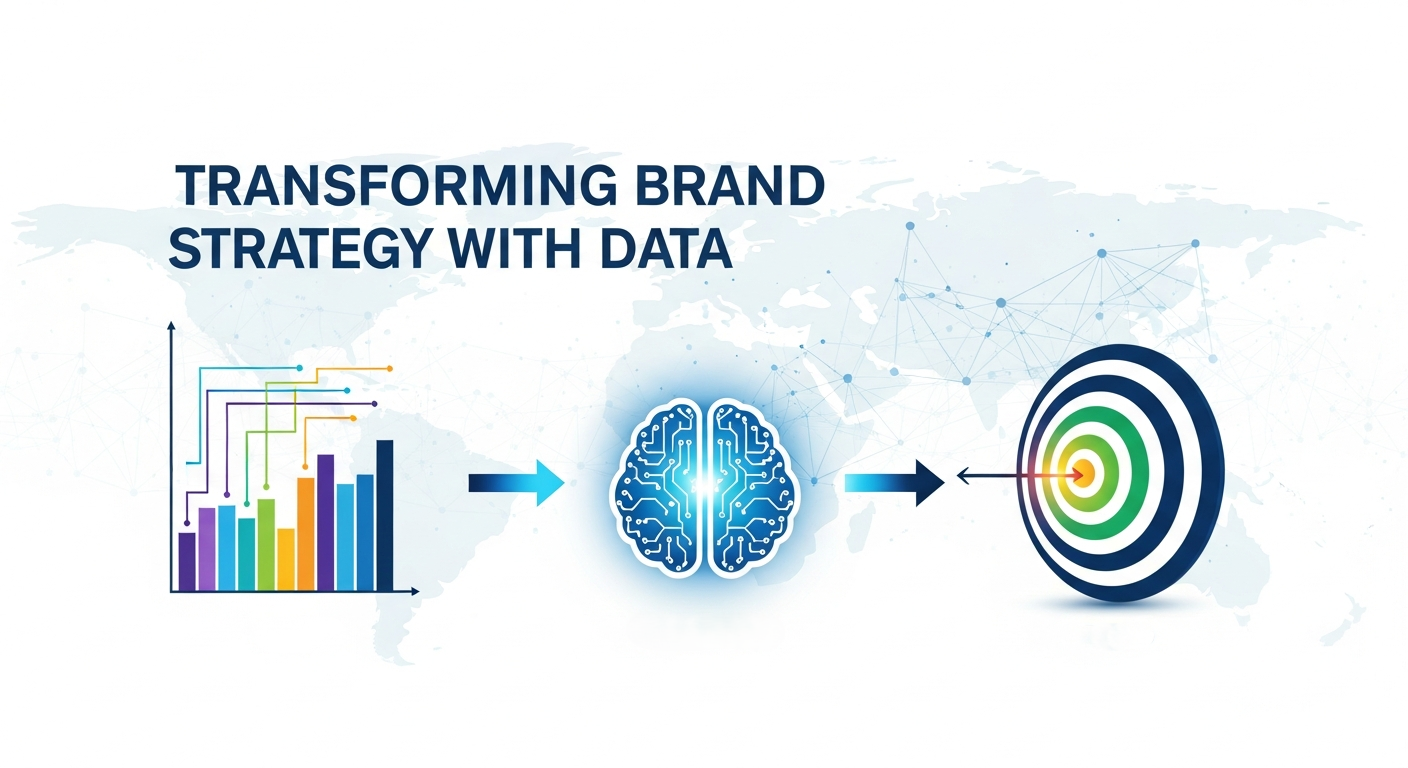
The foundation of any successful brand is a solid strategy. AI in branding elevates strategy by providing a data-driven backbone.
Predictive Analytics and Market Positioning
Mastering Brand Positioning with PredictiveBoost Strategies involves using AI to forecast market trends before they happen. Tools like SEMrush and Ahrefs leverage AI to analyze search intent and competitive landscapes. By understanding What Is Brand Positioning in Marketing, AI can identify gaps in the market, suggesting unique value propositions that align with consumer desires.
For instance, AI-Powered Brand Analysis can scan millions of social media conversations to detect emerging sentiments. This allows companies to adjust their Brand Voice Strategy in real-time, ensuring relevance. Social Listening as a Brand Strategy Tool becomes far more potent when AI filters the noise to find the signal.
Consumer Segmentation and Targeting
AI in branding moves beyond basic demographics. It enables Psychographic Segmentation, grouping consumers based on behaviors, values, and lifestyles. Neuromarketing Techniques and AI Sensory Branding are used to predict how different segments will react to visual and auditory stimuli. This level of granularity ensures that Integrated Marketing campaigns are highly effective, delivering the right message to the right person at the right time.
Revolutionizing Visual Identity and Design
Design is the face of the brand. AI in branding is transforming how visual identities are created and managed.
Generative Design and Logos
Tools utilizing Generative Engine Optimization can create hundreds of logo variations in seconds based on specific parameters like Brand Archetypes or The Psychology of Color in Branding. While human designers provide the creative soul, AI acts as a tireless assistant, rapidly iterating concepts. This is particularly useful for Brand Simplification and Rebranding Case Studies, where maintaining core elements while modernizing the look is essential.
What is Brand Mark in Marketing? It’s the visual symbol that triggers recognition. AI helps test these marks against vast databases to ensure uniqueness and avoid Brand Cannibalization within crowded markets.
Consistency Across Touchpoints
maintaining Brand Consistency: The Golden Rule for Building a Trusted and Recognizable Brand is challenging across multiple channels. AI in branding tools can automatically resize and format assets for different platforms, from Instagram to Amazon Brand Promotion. They also act as brand guardians, flagging content that deviates from visual guidelines, ensuring Building Brand Consistency Across Digital and Physical Touchpoints.
Enhancing Customer Experience (CX)

A brand is defined by the experiences it delivers. AI in branding is pivotal in creating seamless, personalized interactions.
Chatbots and Conversational Marketing
Brand Voice in the Era of Conversational AI and Chatbots is a critical consideration. Modern chatbots, powered by Natural Language Processing (NLP), are not just support tools; they are brand ambassadors. They must embody the Brand Personality In Marketing. Whether the tone is witty, professional, or empathetic, AI ensures consistency 24/7. Conversational Marketing: Harnessing Chatbots and AI for Real-Time Engagement allows brands to scale intimacy, treating millions of customers as individuals.
Personalization at Scale
Hyper-Personalized Branding is the holy grail of modern marketing. AI analyzes purchase history, browsing behavior, and even Voice Search Optimization data to recommend products and tailor content. This creates a User Experience and Branding synergy where the brand feels intuitive and helpful. Omnichannel Personalization ensures that a customer’s journey is fluid, whether they are on a mobile app or in a physical store.
Content Creation and Brand Storytelling
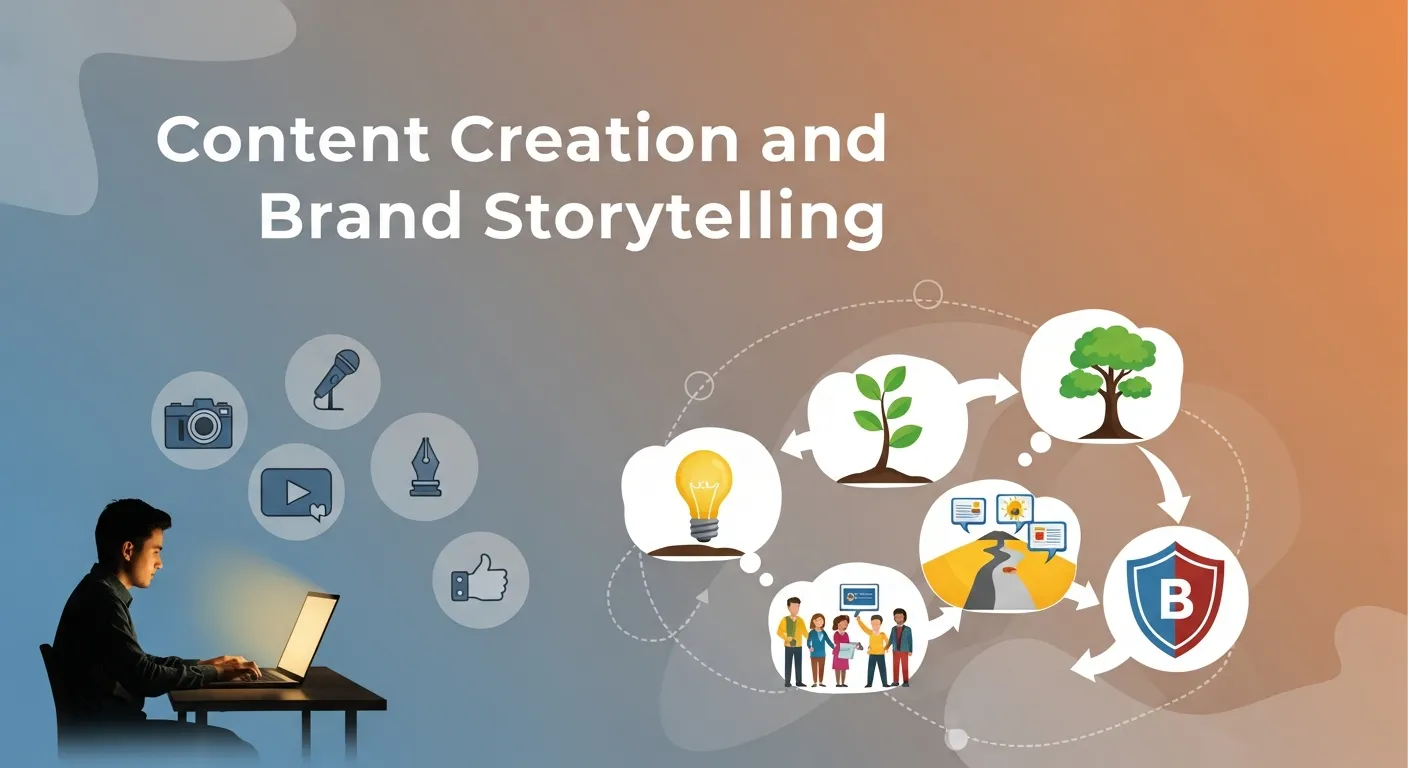
Content is the vehicle for your brand message. AI in branding is revolutionizing how this content is produced and distributed.
Automated Content Generation
From blog posts to email subject lines, AI tools like ChatGPT and Jasper are assisting marketers in Mastering Brand Storytelling. Data-Driven Brand Storytelling uses insights to craft narratives that resonate with specific audience segments. For example, AI Brand Storytelling can dynamically adjust the emotional tone of a story based on the reader’s profile, leveraging Emotional Branding techniques.
Video and Interactive Media
Interactive Storytelling in Branding is being enhanced by AI-generated video and Augmented Reality Branding. AI can create personalized video messages for customers or generate realistic avatars for Virtual Influencer Marketing. This connects to Mastering Metaverse Branding, where brands are establishing presences in virtual worlds. Gamified Branding strategies are also optimized using AI to adjust difficulty levels and rewards in real-time to maximize engagement.
The Role of AI in Brand Management
Managing a brand’s health and reputation is a continuous process. AI in branding provides the tools for vigilant oversight.
Sentiment Analysis and Crisis Management
Brand Crisis Management in the Social Media Era requires speed. AI monitoring tools can detect a spike in negative sentiment instantly, allowing brands to react before a crisis spirals. Social Listening as a Brand Strategy Tool: Converting Insights to Action is vital here. By analyzing the emotion behind the text (Emotional Branding), AI helps prioritize responses to the most damaging complaints.
Measuring Brand Equity
How to Measure Brand Equity has traditionally been difficult. AI simplifies this by tracking Brand Equity KPIs such as Brand Awareness, Brand Association, and Brand Loyalty across the entire digital ecosystem. Brand Distinctiveness and Salience: Measuring What Makes Your Brand Stand Out becomes quantifiable with AI analysis of share-of-voice and visual recognition data.
Ethical Considerations and Challenges

While AI in branding offers immense benefits, it also presents challenges that must be navigated carefully.
Data Privacy and Trust
Brand Safety in Digital Marketing includes protecting customer data. Over-reliance on personal data can feel intrusive. Brands must balance personalization with privacy to maintain Brand Trust. Transparent data policies are part of Ethical Branding.
Bias and Authenticity
AI models can inadvertently perpetuate biases present in their training data. Inclusive Brand Strategies require human oversight to ensure that AI-generated content is diverse and representative. Furthermore, How to Measure Brand Authenticity Using Real-Time Data? Consumers value human connection. Over-automation can lead to a sterile brand feel. Striking the right balance between AI efficiency and human empathy is key to Building Brand Resilience.
The Future of AI in Branding
The trajectory of AI in branding points towards even deeper integration.
Predictive Customer Journeys
Future AI will not just react to customer needs but anticipate them with high accuracy. Customer Journey Mapping will become a dynamic, real-time process. Predictive Analytics in Trend Marketing will allow brands to create products for needs consumers haven’t even articulated yet.
Voice and Sensory Branding
The Power of Sonic Branding and Rise of Voice Branding will grow as voice assistants become ubiquitous. AI will generate dynamic soundscapes that adapt to the user’s environment, enhancing Sensory Branding. Multisensory Branding: How to Engage All Five Senses to Create Unforgettable Brand Experiences will rely on AI to synchronize visual, auditory, and even haptic feedback in digital environments.
Implementing AI in Your Branding Strategy
To successfully integrate AI in branding, companies should follow a structured approach:
- Audit Current Capabilities: Assess where AI can add the most value, whether in Brand Monitoring or Content Creation.
- Choose the Right Tools: Select AI platforms that integrate with existing Digital Marketing Strategies.
- Train Your Team: Internal Branding: Turning Employees into Your Most Powerful Brand Ambassadors involves upskilling them to work alongside AI.
- Monitor and Refine: Use AI-Powered Brand Analysis to continuously measure performance and adjust tactics.
AI in branding is not about replacing human creativity; it’s about augmenting it. By handling data processing and repetitive tasks, AI frees up marketers to focus on big-picture strategy and emotional connection—the heart of Brand Building and Performance Marketing.
Conclusion
AI in branding is fundamentally revolutionizing modern marketing by turning data into actionable creativity. It empowers brands to personalize experiences at scale, optimize strategies in real-time, and build deeper connections with consumers. As technology evolves, those who embrace AI in branding will lead the market, creating resilient, adaptive, and beloved brands that stand the test of time.
FAQs
1. How is AI used in branding specifically?
AI in branding is used for data analysis to understand consumer behavior, predictive analytics to forecast trends, generating visual and written content, personalizing customer experiences via chatbots and recommendation engines, and monitoring brand sentiment across social media in real-time.
2. Can AI create a logo for my brand?
Yes, AI-powered design tools can generate logos based on your inputs regarding industry, color preferences, and Brand Personality. While these tools are great for brainstorming and rapid prototyping, professional designers are often still needed to refine the output for a truly unique and versatile Brand Mark.
3. Does AI in branding replace human marketers?
No, AI in branding is designed to augment human capabilities, not replace them. While AI handles data processing, pattern recognition, and repetitive tasks, human marketers are essential for strategic decision-making, creative direction, emotional intelligence, and ethical oversight.
4. How does AI improve brand consistency?
AI tools can automatically check content against brand guidelines, ensuring that colors, fonts, and tone of voice remain consistent across all platforms. This helps in Building Brand Consistency Across Digital and Physical Touchpoints without manual review of every single asset.
5. What is the role of AI in brand strategy?
In brand strategy, AI processes vast amounts of market data to identify gaps, opportunities, and audience segments. It supports Brand Positioning by providing evidence-based insights rather than relying on intuition, helping brands align closely with market demands.
6. Is AI in branding expensive to implement?
The cost varies. While enterprise-level AI solutions for Big 5 Model of Brand Management can be significant investments, there are many affordable AI tools for small businesses, such as logo generators, writing assistants, and basic social listening tools, making AI in branding accessible to all.
7. How does AI affect brand authenticity?
This is a common concern. If used purely for automation without human touch, AI can make a brand feel robotic. However, when used to personalize interactions and listen to customers, it can actually enhance authenticity by making the brand more responsive and relevant to individual needs.
8. What are the ethical risks of AI in branding?
Key risks include data privacy violations, algorithmic bias leading to discriminatory marketing, and the potential for “deepfakes” or misleading content. Brands must adopt Ethical Branding practices and ensure transparency in how they use AI and consumer data.
9. Can AI help with rebranding?
Absolutely. AI can analyze current Brand Perception to identify why a rebrand is needed. It can then test thousands of new names, logos, and messaging variations against target audience simulations to predict which Rebranding Case Studies strategies will be most successful before launch.
10. How does AI impact SEO and brand visibility?
AI tools like Google Analytics and SEMrush help identify high-value keywords and optimize content structure. Generative Engine Optimization is an emerging field where brands optimize their content to be cited by AI search engines (like ChatGPT or Google Gemini), increasing brand visibility in the AI era.