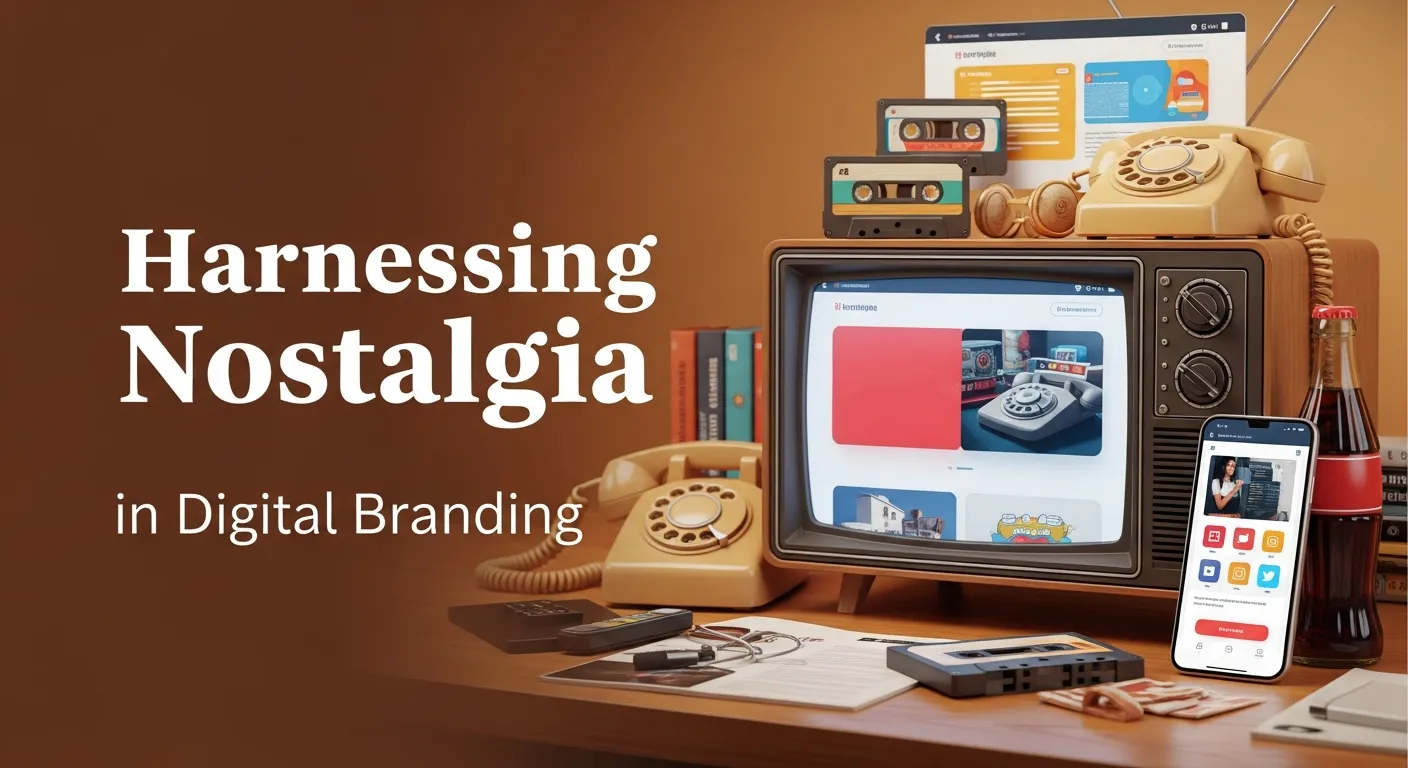
In a fast-moving digital world, nostalgia offers a powerful way to connect. This guide explores how nostalgia in digital branding builds lasting emotional bonds with audiences.
This article delves into the strategy of using nostalgia in digital branding. We will explore the psychological power of memory in marketing, provide a step-by-step guide to implementation, analyze successful case studies, and offer tips to create campaigns that resonate across generations and drive growth.
The Power of Yesterday: A Deep Dive into Nostalgia in Digital Branding
The digital landscape is in a state of constant flux, with trends emerging and fading in the blink of an eye. For brands, cutting through this relentless noise to form a genuine connection with consumers is the ultimate challenge. One of the most potent strategies to achieve this is through the careful use of nostalgia in digital branding. This approach leverages shared memories, cultural touchstones, and familiar emotions to create a powerful and immediate bond. When a brand successfully taps into something from a consumer’s past, it elicits feelings of comfort, trust, and deep-seated loyalty.
This isn’t just about slapping a retro filter on an image; it’s a sophisticated form of emotional marketing. By weaving in simple retro visuals, classic brand themes, or references to cherished childhood moments, businesses can create a shared emotional language that speaks to multiple generations at once. This article provides a comprehensive exploration of nostalgia in digital branding. We will unpack the psychology that makes it so effective, offer a step-by-step guide for integrating it into your digital campaigns, and showcase real-world examples of brands that have masterfully used the past to build their future.
Understanding the Psychology Behind Nostalgia in Digital Branding
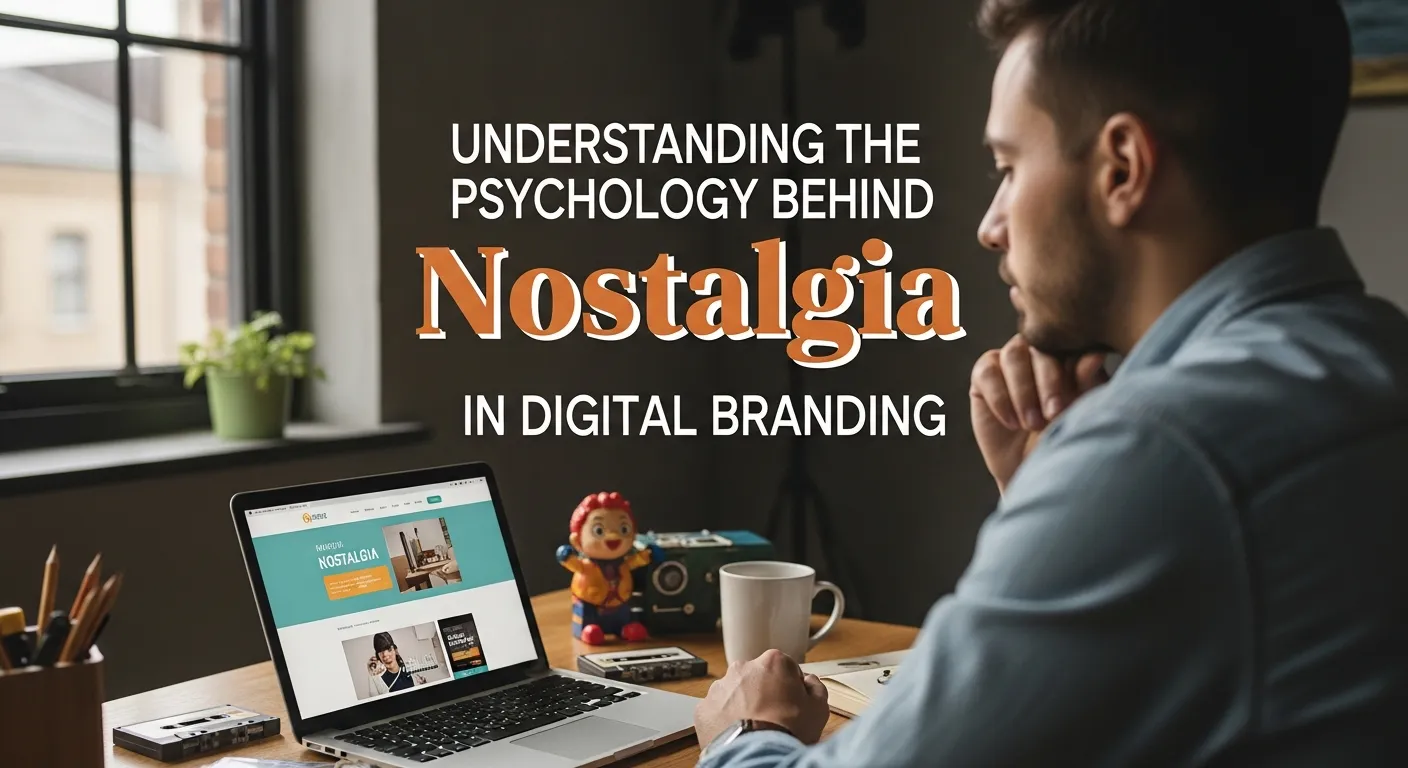
At its core, nostalgia is a warm, bittersweet emotional response triggered by recalling meaningful moments from one’s past. It’s the feeling you get when hearing an old song, remembering a family tradition, or thinking about a cultural event that shaped your identity. Psychologists describe this feeling as a complex blend of joy, comfort, and a gentle sense of longing. This unique emotional cocktail creates a profound sense of safety, belonging, and personal continuity—a feeling of being connected to one’s own story.
In marketing, the power of nostalgia in digital branding lies in its ability to tap into our emotional memory banks. When a brand incorporates nostalgic elements—be it retro color palettes, vintage logos, classic jingles, or old-fashioned storytelling—it activates positive associations stored deep within our brains. This shortcut to positive emotions helps consumers feel an instant closeness to the brand. It lowers their natural resistance to advertising, increases trust, and boosts engagement because the entire experience feels familiar and safe.
Furthermore, nostalgia in digital branding strengthens the consumer-brand relationship on a deeper level. It reminds people of who they were, reflects who they are today, and helps them make sense of their personal evolution. This powerful sense of emotional continuity is why nostalgic marketing resonates so effectively across different age groups.
- Older Generations (Boomers, Gen X): They get to relive positive past experiences, reinforcing their long-standing connection to a brand.
- Younger Generations (Millennials, Gen Z): They enjoy the novelty, authenticity, and cultural charm of retro styles, often adopting them as part of their own identity.
From a consumer psychology standpoint, campaigns centered on nostalgia in digital branding work because they fulfill fundamental emotional needs. They provide comfort in uncertain times, act as a buffer against stress, and foster a sense of social connectedness. In the hyper-fast digital world, where attention spans are notoriously short, nostalgic elements have the power to cut through the clutter and hold attention for longer. Brands that effectively use memory-trigger marketing and retro storytelling can create campaigns that feel deeply personal and meaningful, sparking joy, encouraging social sharing, and ultimately building unshakeable, long-term loyalty.
Why Does Nostalgia in Digital Branding Work So Well Today?
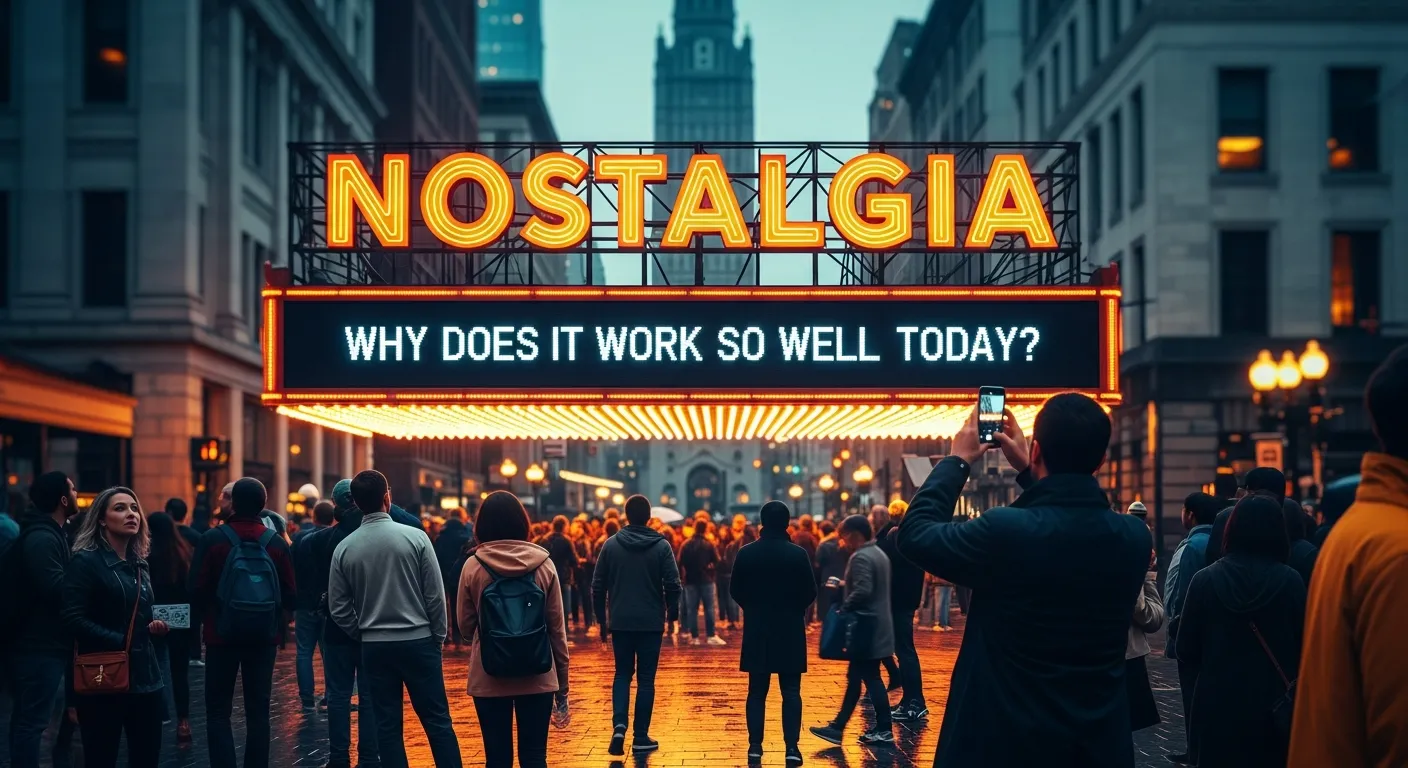
In a market saturated with fleeting trends and aggressive advertising, nostalgia in digital branding offers a refreshing and effective alternative. Its success isn’t accidental; it’s rooted in several key principles that align perfectly with modern consumer behavior.
1. Fostering Deep Emotional Engagement
Nostalgic cues—vintage fonts, old-school music, classic brand jingles—act as direct triggers for positive memories. This process can stimulate the release of dopamine in the brain, making people feel good. When an audience experiences this emotional lift in the context of a brand message, they become more receptive and open. This makes nostalgia in digital branding a powerful form of emotional marketing that builds a connection far stronger than a simple transactional relationship.
2. Achieving Differentiation in a Crowded Market
The vast majority of brands are chasing the “next big thing.” They are focused on futuristic aesthetics, ultra-modern visuals, and the latest trends. Nostalgia in digital branding allows you to stand out by deliberately looking back. It offers a comforting sense of familiarity in a world overwhelmed by constant change, cutting through the digital noise with something audiences already know and love. This unique brand positioning can make your brand instantly memorable.
3. Creating Intergenerational Appeal
One of the most significant advantages of nostalgia in digital branding is its ability to bridge generational gaps. Each demographic has its own cherished cultural touchstones:
- Baby Boomers: Might respond to classic rock music or references to the 1960s.
- Gen X: Connects with 80s movie themes and the dawn of video games.
- Millennials: Feel nostalgia for 90s pop culture, early internet aesthetics, and Tamagotchis.
- Gen Z: Ironically embraces Y2K fashion and the “vintage” feel of the early 2000s.
A well-crafted campaign can appeal to multiple groups at once, creating a powerful shared emotional experience and broadening your consumer brand marketing reach.
4. Providing a Foundation for Strong Storytelling
Nostalgia gives your brand an instant narrative. When you use retro visuals or reference a past decade, your audience immediately understands the emotional tone and context. This provides a solid foundation for clear digital storytelling and helps you communicate your brand’s values, heritage, and purpose without lengthy exposition. It strengthens your overall brand marketing strategy by making your message more cohesive and relatable.
A Step-by-Step Guide to Implementing Nostalgia in Digital Branding
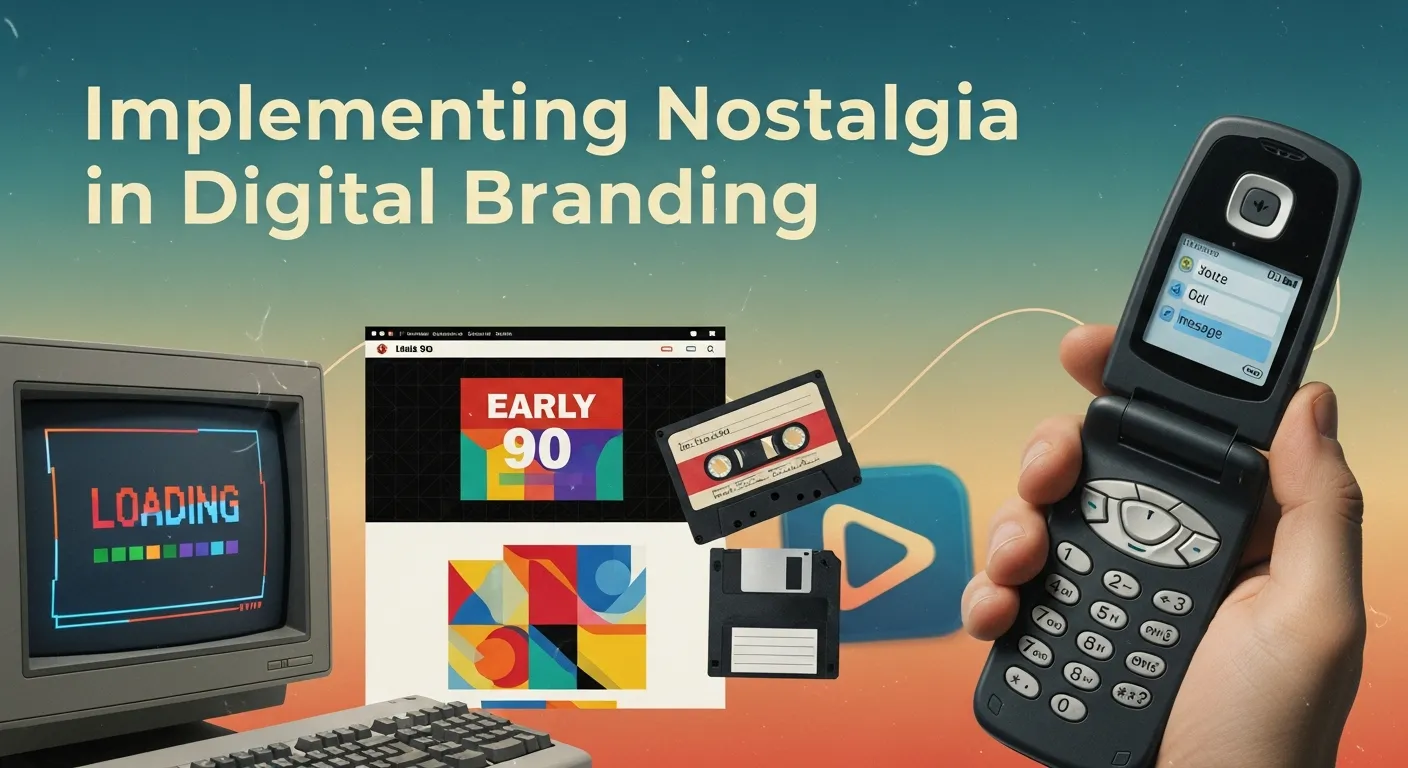
Successfully integrating nostalgia in digital branding requires more than just picking a random retro theme. It demands a strategic, thoughtful approach to ensure authenticity and impact.
Step 1: Identify Your Brand’s Authentic Nostalgic Touchpoints
This foundational step involves digging into your brand’s history to find genuine connections to the past. An authentic link feels natural and resonant, while a forced one feels gimmicky and hollow.
Start by asking key questions:
- Brand Heritage: Does our brand have old logos, packaging designs, advertisements, or photographs that people might still recognize and trust?
- Cultural Alignment: Which eras, design trends, or cultural moments connect naturally with our brand’s story or industry? For example, a tech company might reference the dot-com boom.
- Customer Memories: What memories do our long-term customers associate with our brand? What do they mention in reviews or on social media?
Use tools like customer surveys, focus groups, and social media management listening tools to gather these insights. Look for comments that include phrases like “I remember when…,” “the classic version,” or “the original feel.” These are strong signals of nostalgic elements your audience already loves. The goal is to find authentic touchpoints where your brand’s history intersects with real cultural memories.
Step 2: Select the Right Nostalgic Elements for Your Campaign
Not every retro trend will fit your brand. The key is to choose elements that enhance your brand identity without feeling out of place. This is a critical part of making nostalgia in digital branding work.
Consider a mix of elements across different media:
- Visuals: Reviving a vintage logo, using old-school color palettes (like muted tones or neon), applying film-grain overlays to videos, or framing images in a Polaroid-inspired style.
- Audio: Creating modern remixes of classic brand jingles, using the sound of vinyl crackle in video transitions, or incorporating 8-bit arcade sound effects into your app or website. This is a form of sonic branding.
- Copywriting: Using era-specific slang (carefully!), reimagining classic slogans with a modern twist, or crafting stories that evoke the feeling of simpler times. Your brand voice can adapt to be nostalgic.
- Interactive Content: Developing a decade-themed online scavenger hunt, creating a retro microsite with pixel art, or integrating a simple 8-bit mini-game into a landing page.
Crucially, ensure every nostalgic element you choose aligns with modern user experience (UX) and accessibility standards to maintain a professional, polished feel.
Step 3: Integrate Nostalgia Consistently Across Digital Channels
For your campaign to be effective, it needs to present a cohesive and consistent theme across all your digital touchpoints. This consistency helps users recognize and understand your nostalgic theme, reinforcing the message.
|
Channel |
Implementation of Nostalgia in Digital Branding |
|---|---|
|
Social Media |
Use retro filters on Instagram, create vintage-style Story templates, run “Throwback Thursday” posts featuring old brand moments, and start TikTok challenges using classic songs. |
|
Email Marketing |
Design newsletters with 90s-inspired layouts, use simple GIFs that mimic early internet visuals, and write memory-sparking subject lines like “A Blast from the Past.” |
|
Website & Landing Pages |
Build a dedicated retro microsite for a campaign, use pixel art graphics, add old-computer hover effects, and feature an online gallery of archival photos. |
|
Paid Advertising |
Create ad creatives inspired by print ads from past decades. A/B test a modern creative against a nostalgic version to see which performs better with different audience segments. |
This integrated marketing approach ensures that your use of nostalgia in digital branding feels immersive and intentional, not like a one-off gimmick.
Step 4: Measure the Impact and Optimize Your Strategy
Once your nostalgic campaign is live, you must track its performance to understand what resonates with your audience. This data-driven approach ensures your use of nostalgia in digital branding remains relevant, meaningful, and aligned with your business goals.
- Engagement Rates: Compare the performance of your nostalgic content to your regular content. Look at likes, shares, comments, and saves. High engagement on retro-themed posts is a strong indicator of an emotional connection.
- Conversion Metrics: Measure how nostalgia influences user actions. Track click-through rates on throwback-style emails, monitor time spent on retro-themed landing pages, and analyze add-to-cart rates from nostalgia-driven product pages.
- Brand Sentiment Analysis: Use social listening tools to understand how people feel about your campaign. Track mentions and comments, looking for emotional keywords like “love,” “memories,” and “classic.” This helps you confirm if your message feels authentic.
- Sales Lift: Compare sales data from before, during, and after the campaign. Look for a noticeable increase in demand for products featured in your nostalgic marketing.
- A/B Testing: Continuously test different nostalgic elements. Compare 80s-inspired visuals vs. 90s-inspired ones. Test a retro jingle against a modern track. This iterative process helps you refine and perfect your strategy for nostalgia in digital branding.
Case Studies: Brands That Mastered Nostalgia in Digital Branding
1. Coca-Cola’s “Share a Coke” Rewind
Coca-Cola brilliantly tapped into its rich heritage by reintroducing vintage bottle designs from different eras. The campaign was amplified on social media, where users were encouraged to share their own childhood photos with the product using the hashtag #CokeRewind. This generated millions of impressions and rekindled brand loyalty across multiple generations.
2. Spotify’s “Wrapped” Campaign
While Spotify Wrapped is data-driven, its presentation is a masterclass in nostalgia in digital branding. In recent years, it has incorporated aesthetics from different decades, such as the bright, 8-bit graphics of early video games or the chaotic collage style of Y2K. This blend of personal relevance and retro flair makes it one of the most shareable marketing campaigns each year.
3. Nintendo’s SNES Classic Mini Relaunch
Nintendo is a king of nostalgia. To launch its SNES Classic Mini console, the company targeted 90s gamers with a campaign drenched in nostalgia. They used social media teasers featuring pixel art, classic game music, and imagery of the iconic grey-and-purple console. The result was a viral sensation, with pre-orders selling out within hours.
Common Pitfalls to Avoid in Nostalgic Branding
While powerful, nostalgia in digital branding can backfire if not executed carefully. Avoid these common mistakes:
- Over-reliance on Gimmicks: Don’t use nostalgia as a shallow veneer. Your retro elements should be grounded in genuine brand history or a meaningful cultural connection.
- Excluding Younger Audiences: While nostalgia often targets older demographics, ensure your approach doesn’t alienate younger consumers. Blend throwback visuals with modern functionality and a contemporary brand voice.
- Cultural Insensitivity: Be mindful when referencing past eras. Do your research to ensure the symbols, slang, or styles you use do not carry unintended negative connotations for certain groups.
- Becoming Stagnant: Nostalgia itself can become old. Rotate your themes, explore different decades, and keep your campaigns fresh to avoid audience fatigue.
Conclusion
Nostalgia in digital branding is far more than a fleeting trend; it is a powerful strategic tool for cutting through digital noise and forging genuine emotional connections. By tapping into shared memories, brands can create experiences that feel familiar, comforting, and deeply personal. This emotional resonance builds trust, boosts engagement, and fosters long-term loyalty in a way that traditional marketing often cannot. By choosing authentic touchpoints, integrating them consistently, and measuring performance, any brand can turn the past into a potent strategy for future growth.
Frequently Asked Questions (FAQs)
1. What is nostalgic branding?
Nostalgic branding is a marketing strategy that uses memories, emotions, and familiar cultural elements from the past to create a strong, positive connection with an audience. It helps people feel comfort and trust in a brand.
2. Why is nostalgia in digital branding so effective?
It works because it triggers positive emotional responses linked to personal memories. This helps brands stand out in a crowded digital space, builds trust faster, and creates a deeper, more human connection with consumers.
3. How can a new business without a long history use nostalgic branding?
New businesses can tap into shared cultural nostalgia. You can use design styles, music, or themes from past decades (like the 90s or early 2000s) that resonate with your target audience, even if your brand wasn’t around then.
4. What is the difference between brand marketing and nostalgic branding?
While both are forms of brand marketing, regular marketing often focuses on current features, benefits, or trends. Nostalgic branding focuses on using emotions and memories from the past to build a relationship first.
5. Does nostalgia in digital branding work for Gen Z audiences?
Yes, it is highly effective. Gen Z has a strong affinity for retro styles from the 1990s and early 2000s (Y2K), which they experience through social media, music, and fashion. For them, it represents a cool, authentic aesthetic.
6. What are some simple ways to add nostalgic elements to my campaigns?
You can start small. Use retro color palettes or vintage-inspired fonts. Apply a film-grain filter to your videos. Create “Throwback Thursday” content on social media. Even a simple, pixelated GIF in an email can evoke a sense of nostalgia.
7. How do I choose the right era for my nostalgic campaign?
Research your target audience. A campaign aimed at Gen X might focus on the 1980s, while one for Millennials would do well with 90s themes. Use analytics and surveys to understand which eras your audience connects with most.
8. Can nostalgia marketing seem inauthentic?
It can if it’s not done right. Authenticity is key. The nostalgic connection should feel natural to your brand. Avoid jumping on a retro trend that has no link to your brand’s identity or values.
9. What metrics are most important for measuring a nostalgic campaign?
Focus on engagement rates (likes, shares, comments), brand sentiment analysis (how people are talking about you), and conversion rates from nostalgic-themed ads or landing pages. Comparing these to your baseline metrics will show its impact.
10. Is nostalgia just a temporary marketing trend?
No. While its popularity may ebb and flow, the underlying psychology of nostalgia is a permanent part of the human experience. As long as people have fond memories of the past, nostalgia in digital branding will remain a powerful tool for connection.