Leveraging brand power is a game changer for business growth. This in-depth guide reveals why a well-planned Brand Extension Marketing Strategy can unlock new dimensions of Brand Equity, enhance Customer Experience, and secure your brand’s spot at the forefront of modern markets.
A detailed, actionable look at how and why businesses use a Brand Extension Marketing Strategy to launch new products and services, maximize Brand Equity and Brand Awareness, and mitigate common pitfalls. Learn the framework, discover key examples, and get answers to top questions for building a sustainable, adaptable brand portfolio.
What Is Brand Extension?
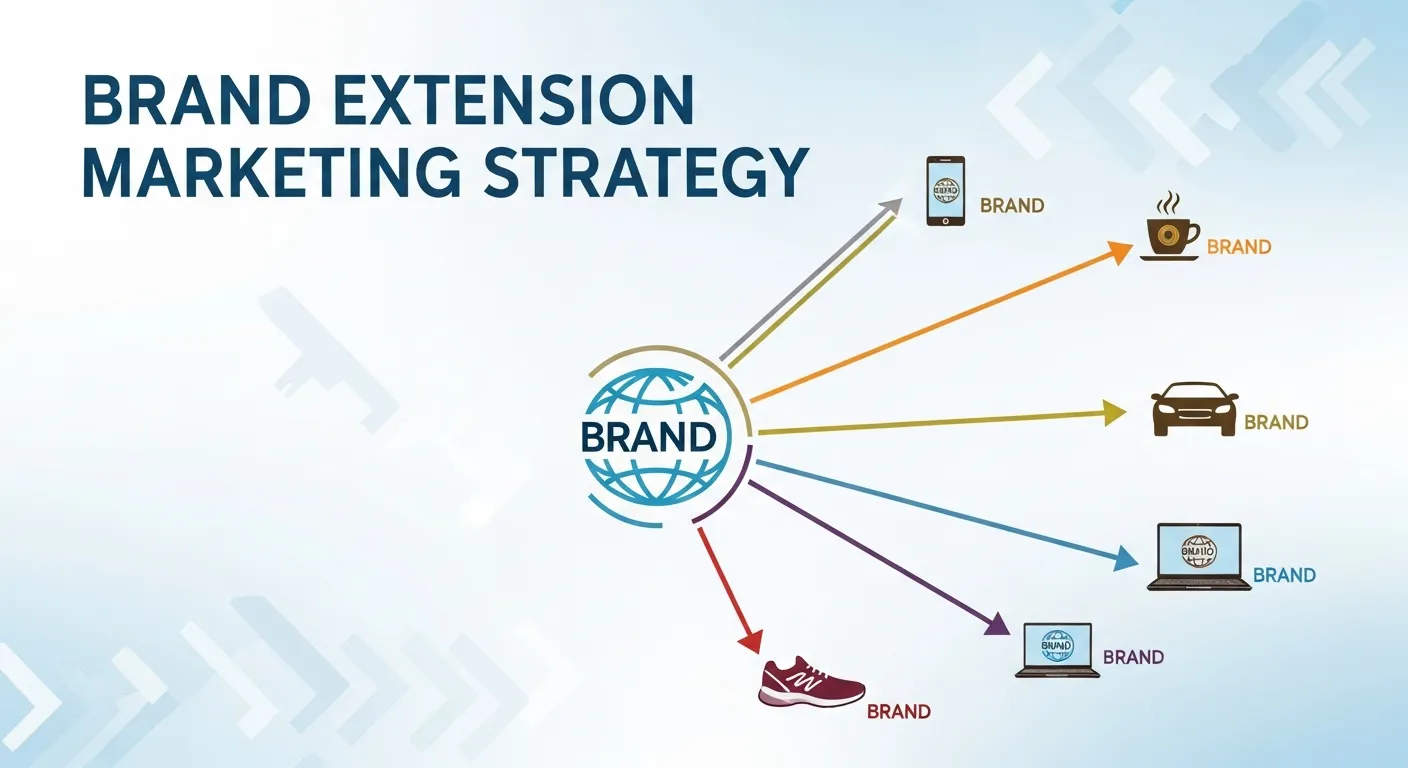
A Brand Extension Marketing Strategy involves launching a product or service in a new category by leveraging an existing, trusted brand name. Unlike a line extension (new variants in the same category), brand extension is about stretching into entirely new markets. For example, when a luxury car manufacturer introduces a branded credit card, or a software company rolls out smart home devices, they’re executing a classic Brand Extension Marketing Strategy.
Core Concepts and Principles
- Brand Equity plays a crucial role—Brands known for reliability or innovation can use that recognition in new markets.
- It’s not just about adding a new SKU; it’s about drawing on established trust, imagery, and values.
- Effective Brand Extension Marketing Strategies reduce time, effort, and cost to build Brand Awareness with unfamiliar customers.
Line Extension vs. Brand Extension
- Line extension: New flavors, sizes, or styles within the same category (e.g., a cola company releasing a cherry variant).
- Brand extension: Launching a different product altogether (e.g., that cola company introducing snack bars).
Key Components for Success
- Brand Alignment: New offerings must resonate with the core promise and emotional connection established by the original brand.
- Brand Storytelling: The narrative should seamlessly integrate the parent brand and the extension, reinforcing credibility.
- Brand Equity must not be diluted—a misstep can harm both the extension and the original product line.
Why Is Brand Extension Such a Popular Marketing Strategy?
1. Instant Consumer Trust and Faster Market Penetration
Customers already know and trust you, giving your new offerings an instant advantage. For instance, when Apple introduced the Apple Watch, its reputation for quality and design was naturally transferred.
- Supporting keyword in action: Strong Customer Experience with existing Apple products assured buyers the watch would deliver as promised.
2. Cost Efficiency and Smart Resource Use
Building a new brand from scratch is costly. With a Brand Extension Marketing Strategy, marketing spend is lower because you piggyback on the parent brand’s recognition and loyalty.
- Your Digital Marketing and Content Marketing strategies gain built-in audiences.
- You’ll save on research, branding, SEO Optimization, and even distribution.
3. Market Differentiation and Competitive Edge
Extensions help you stand out and create a clear value proposition versus similar, less established competitors.
- Starbucks, for example, expanded from coffee to branded ready-to-drink beverages, dominating supermarket aisles with familiarity.
- With correct Brand Positioning and Brand Storytelling, your new products are memorable from day one.
4. Opening New Revenue Streams and Accessing Fresh Markets
A growth-driven Brand Extension Marketing Strategy can uncover untapped market segments and revenue sources while complementing your existing business.
- Samsung successfully moved beyond electronics into home appliances and even insurance, leveraging Brand Equity to maximize Market Share.
- Cross-Channel Marketing helps amplify each new launch by reaching consumers through multiple touchpoints, from Social Media to in-store displays.
5. Enhancing Brand Longevity and Relevance
Brand extensions help you ride market trends without jeopardizing your core products.
- Data Analytics and Customer Insights reveal evolving consumer needs, prompting timely expansions.
- Examples include Nike’s entry into athleisure and digital fitness, combining performance with lifestyle trends.
The Benefits of a Strong Brand Extension Marketing Strategy

A well-executed Brand Extension Marketing Strategy fosters synergies across your portfolio. Here’s a deeper look:
Increased Brand Awareness
- Each additional category leverages the parent brand’s presence, boosting recall and visibility.
- You dominate more shelf space, digital screens, and marketplaces.
Access to New Demographics & Niches
- Target new age groups, income brackets, and geographies.
- Supporting keyword: Use Omnichannel Strategies to segment digital campaigns for the extension.
Economies of Scale
- Integrated Marketing Channels reduce redundant spending on Email Campaigns, packaging, logistics, and product launches.
- Unified messaging improves Brand Advocacy and encourages word-of-mouth.
Competitive Insulation
- Loyal consumers are more likely to try new offerings from brands they already trust, creating a barrier for competitors.
- Example: Amazon’s move into smart home devices (Alexa) shut competitors out by leveraging vast existing trust.
Challenges and Risks of a Brand Extension Marketing Strategy

While the rewards are significant, the pitfalls of poor extensions can be severe.
Brand Dilution
- If the extension’s quality or relevance falters, both the new and original products can suffer.
- A strong brand launching a weak product (e.g., Colgate’s ill-fated frozen meals) diminishes perception and Brand Equity.
Cannibalization
- Overlapping products may eat into the sales of your core offerings. Proper Competitive Brand Analysis is critical.
- For example, launching a premium and budget range without differentiation could confuse consumers.
Misalignment with Core Brand Values
- If the extension doesn’t match your brand’s image, customers may feel betrayed.
- Harley-Davidson’s cologne line failed because it clashed with the brand’s rugged, rebellious identity.
Operational Overstretch
- Rapid extensions strain resources—from manufacturing to customer service—if not managed carefully.
Legal and Regulatory Challenges
- Extensions in regulated industries may require new certifications or compliance steps (e.g., food, pharmaceuticals).
Expanding the Strategy: How to Create a Winning Brand Extension

Step 1: Identify and Define Core Brand Strengths
- Conduct an internal audit: What does your brand truly stand for in the market?
- Example: LEGO is synonymous with imaginative play and creativity, foundational for every new extension (movies, video games).
Step 2: Market Research and Customer Validation
- Use Data Analytics, surveys, and SEO Optimization tools (try SEMrush and Google Analytics) to analyze demand, trends, and risks.
- Conduct small-scale product testing, leveraging Influencer Strategy and Social Proof to gauge reactions.
Step 3: Build Cohesive Product and Messaging Strategy
- Develop a unified value proposition—how does the extension solve a real customer problem?
- Ensure Content Marketing for the launch uses the same tone, aesthetic, and storytelling as your parent brand.
Step 4: Cross-Functional Collaboration
- Coordinate between R&D, marketing, sales, and customer support teams.
- Use insights from all business areas to optimize the launch.
Step 5: Launch, Monitor, and Iterate
- Roll out in phases with controlled marketing spend.
- Monitor key metrics like Customer Retention, Brand Perception, and feedback channels.
- Adjust campaigns, features, and even positioning in response to Data-Driven Insights.
Real-World Case Studies: Successes and Failures

Successful Brand Extension Examples
Apple: From Computers to Personal Accessories
Apple leveraged cutting-edge design and usability—core strengths—when launching the iPod, then the iPhone, and wearables like the Apple Watch. The seamless integration with existing products and glowing Brand Equity made these launches instant hits.
Google: Expanding Digital Horizons
Starting as a search engine, Google moved into productivity software (Docs, Gmail), mobile OS (Android), and hardware. Each extension resonates with their core purpose: organizing the world’s information. Deep integration with SEO Optimization practices solidified their dominance.
Dove: Beyond Bars of Soap
By focusing on self-care and real beauty, Dove extended into lotions, shampoos, and deodorants. The unifying message (“Moisturizing care”) and visually consistent packaging ensured smooth consumer transition.
Amazon: From Books to Everything
Amazon started with books but, using its fulfillment network and reputation for service, expanded into electronics, household goods, cloud computing (AWS), and smart home devices. By weaving Brand Storytelling and Brand Awareness into every marketplace, it transformed shopping habits worldwide.
Failed Brand Extension Examples
Colgate’s Frozen Meals
Despite household recognition, customers struggled to see a toothpaste brand selling food. The disconnect in Brand Alignment led to rapid failure.
Harley-Davidson Perfumes
Hardcore bikers didn’t associate their identity with fragrances. The extension broke the promise of authenticity, damaging Brand Equity and providing a lesson in knowing your audience.
Zippo Fragrances
Zippo, famed for lighters, tried branching into cologne. Consumers saw no connection between their core engineering prowess and scents; the venture fizzled.
Cosmopolitan Yogurt
A lifestyle and fashion magazine producing dairy products created confusion. The lack of synergy meant the extension failed to gain traction or Brand Advocacy.
Enhancing Your Brand Extension Marketing Strategy with Supporting Tactics
Digital Marketing and SEO Optimization
Utilize Digital Marketing across social and search channels:
- Build Landing Pages and product-specific blogs with targeted keywords.
- Content Marketing: Craft stories that bridge the parent brand and the extension, enhancing cross-selling potential.
- Use Video Advertising for demonstrations, testimonials, or influencer endorsements.
Omnichannel, Inbound, and Outbound Marketing
- Go beyond basic launches with Omnichannel Strategies—sync in-store, online, and mobile experiences.
- Use Inbound Marketing to educate and draw users organically via guides, webinars, and interactive content.
- Activate Outbound Marketing for high-impact awareness, such as display ads or partnerships.
Brand Advocacy and Community Building
- Tap loyal customers to act as ambassadors for your new offerings.
- Build a Brand Community using forums, social groups, and events for feedback and buzz.
Personalization Tactics and Data Analytics
- Implement Hyper-Personalization in email and web campaigns based on past purchase history.
- Leverage Data Analytics to monitor post-launch reactions and refine targeting.
Reputation and Crisis Management
- Have a plan for addressing possible extension failures. A quick, honest response preserves Brand Resilience.
Comparative Table: Brand Extension Success Factors
|
Success Factor |
Description |
Supporting Keyword |
|---|---|---|
|
Brand Equity |
Strong trust built over time; easily transferred to new categories |
Brand Equity |
|
Customer Experience |
Delivering satisfaction to ensure next extension embraces the same standards |
Customer Experience |
|
Consistent Messaging |
Maintaining core values and tone in both parent and extension brands |
Content Marketing |
|
Market Validation |
Using research and piloting to reduce risk before a full-scale launch |
Data Analytics |
|
Omnichannel Approach |
Leveraging both online and offline experiences to reinforce the brand across touchpoints |
Omnichannel Strategies |
|
Influencer Engagement |
Using partnerships to create excitement and social proof |
Influencer Strategy |
Actionable Tips to Build a Resilient Brand Extension Strategy
- Align Vision and Voice: Ensure every extension upholds your brand’s unique promise.
- Pilot with Focus: Start with small markets or limited releases to gather actionable data.
- Train Teams Consistently: Make sure every staff member understands the extension’s goals and messaging.
- Gather Customer Feedback: Use surveys, rating tools, and social listening to refine your approach.
Conclusion
A robust Brand Extension Marketing Strategy allows you to leverage familiarity, authority, and innovation to conquer new market territories. By maintaining a keen focus on core brand values and leveraging digital tools like SEO Optimization, Data Analytics, and Content Marketing, businesses can minimize risks and fuel sustainable growth. The difference between success and failure? A thoughtful, data-driven approach rooted in authenticity and customer-centricity.
Frequently Asked Questions (FAQs)
1. What are the main components of a successful Brand Extension Marketing Strategy?
A strong strategy blends Brand Equity, market research, customer validation, and risk management. Use digital tools for feedback and focus on maintaining core values in every move.
2. Can brand extension strategies work in the digital space?
Absolutely. Many brands use Digital Marketing and SEO Optimization to reach new audiences. For instance, fashion brands introduce digital-only product lines or collaborations with online influencers to drive engagement.
3. How can startups use brand extension to grow?
Begin by establishing trust through exceptional Customer Experience. Once you earn loyalty, explore adjacent product categories that your core audience already desires. Use digital channels for cost-effective launches.
4. What is the difference between co-branding and brand extension?
A Brand Extension Marketing Strategy leverages a single brand’s equity, while co-branding combines the strengths of two distinct brands for a combined offering (e.g., Nike and Apple for fitness wearables).
5. How do you measure the success of a brand extension?
Key metrics include sales growth, retention rates, Brand Awareness, engagement levels, and customer sentiments (via reviews and social media analytics).
6. What are the signs an extension could damage my brand?
Red flags:
- Misalignment with core values
- Poor product quality or fit
- Negative customer feedback
- Decline in parent brand sales or reputation
7. How important is content marketing in brand extensions?
Content Marketing is crucial. Blogs, guides, and stories explain why your new product fits perfectly under your brand; they persuade existing customers and attract new ones.
8. Should I always use the same brand name for an extension?
Not necessarily. Evaluate Market Research and consumer perceptions. Some sub-brands gain autonomy (Lexus by Toyota), which is useful for targeting premium markets or avoiding risk to the parent brand.
9. Can poor digital marketing destroy a strong extension?
Poor Digital Marketing can sabotage launches, no matter brand strength. Without visibility and targeted storytelling, even the best products struggle to gain traction.
10. How can I protect my brand from extension failure?
Use Crisis Management plans, control pilot launches, and swiftly address customer complaints. Always halt extensions that consistently underperform to shield Brand Equity.
11. What are some supporting marketing tactics for successful brand extension?
- Use Video Marketing for engaging intros
- Tap into Affiliate Marketing for wider reach
- Employ Programmatic Ads for efficient targeting
- Build social proof with Micro-Influencers or Nano-Influencers
12. Does brand extension work for service brands?
Yes! Banks, law firms, and agencies often launch new tailored offerings under the main brand’s umbrella. Relevance, customer fit, and operational capacity are vital.
13. How does community building contribute to brand extension?
Community Building keeps your audience involved—gather feedback, generate grassroots buzz, and encourage social sharing for a stronger, more engaged following.
14. When is it better to avoid a brand extension?
If the new market is totally unrelated or your resources are stretched thin, consider focusing on your core. Extension works best with some clear, authentic link between old and new.
15. How does data analytics support extension strategy?
Data Analytics clarify customer needs, track campaign performance, and reveal emerging trends. Insights help segment audiences and fine-tune launches for improved outcomes.
16. Can brand extensions elevate a company’s sustainability profile?
Yes—launching eco-friendly or socially responsible product lines expands your reach to environmentally-conscious consumers and boosts your Brand Equity.
17. How does experiential marketing fit in?
Events and experiential activities can generate excitement and connections between the parent and extension brand, creating lasting positive associations.
18. Should I localize my extension for different markets?
Often, yes. Customize products, language, and campaigns for each region—use Local SEO strategies for digital presence and respect local tastes.
19. What’s the role of emotional branding in extension success?
Using Emotional Branding builds deeper connections—tell stories that resonate, evoke nostalgia, or tap into aspirations, making your extension memorable.
20. Are there any shortcuts to a successful extension?
No substitute for research, authenticity, and coordinated effort. Every step—grounded in Brand Equity and Customer Experience—boosts your chance of long-term success.