Today’s consumers are speaking with their wallets, demanding that brands care about the planet. This shift has made branded sustainability an essential business strategy.
This guide explores the rise of branded sustainability and its importance in today’s market. We’ll cover fundamental guidelines for authentic brand promotion, effective digital marketing practices, and how to measure real-world impact. Learn to avoid greenwashing and build a brand that conscious consumers will trust and champion.
The Rise of Branded Sustainability
The modern consumer is more informed, connected, and conscientious than ever before. They want to support brands that align with their values, and sustainability has become a key factor in their purchasing decisions. A recent IBM study found that 73% of consumers worldwide are willing to pay more for sustainable products. Even more striking, 81% of millennials expect companies to make public commitments to social and environmental responsibility. This shift is not a passing trend; it’s a fundamental change in how brands must operate and communicate. Companies that embrace branded sustainability are not just doing the right thing—they’re building trust, attracting loyal customers, and securing long-term growth.
This guide will explore how to promote your brand with eco-friendly practices that truly connect with conscious consumers. You’ll learn real strategies used by top brands across different industries and discover how to share your sustainability story honestly—without falling into the trap of greenwashing. Understanding branded sustainability is no longer optional; it’s critical for survival and success.
The Business Case for Branded Sustainability
Adopting branded sustainability isn’t just an ethical choice; it’s a powerful business strategy. Companies with a strong focus on environmental responsibility are remarkably successful compared to their competitors across a range of indicators.
Research from Harvard Business Review indicates that purpose-driven businesses can be significantly more profitable than those following traditional business models. They also benefit from higher employee retention rates and attract top-tier talent. This is because a strong sense of purpose, rooted in branded sustainability, creates a more engaged and motivated workforce.
The financial gains are not limited to internal practices. Eco-friendly brands often command a premium, with customers willing to pay more for products from an eco-conscious organization. This price advantage is directly reflected in higher profit margins and greater market share. The core of effective branded sustainability is its ability to build a loyal customer base that values more than just price.
Shifting Consumer Demands
Environmental awareness now influences all market segments. Generation Z is spearheading this trend, with 83% considering the environment before making a purchase. However, this sentiment is not confined to the younger generation; a significant majority of Baby Boomers also prefer sustainable brands.
This transition changes everything about promoting a brand. Consumers now question not only products but also entire promotional efforts. They have a low tolerance for disingenuous claims and expect to see a real commitment to action from brands, not just empty words. This is where a robust branded sustainability strategy becomes crucial for reputation management.
Fundamental Guidelines for the Branded Sustainability Process
Creating a successful branded sustainability platform requires more than just a few green initiatives. It demands a deep, organizational commitment to authenticity, transparency, and long-term thinking.
Authenticity Over Image
The foundation of successful branded sustainability is sincerity. Today’s consumers are adept at spotting “greenwashing”—the practice of making misleading claims about environmental benefits. Organizations exposed for greenwashing risk severe damage to their reputation and customer trust.
Real branded sustainability promotion requires:
- Observable environmental objectives with public progress reports.
- Independent certification from prestigious environmental bodies (e.g., B Corp, Fair Trade).
- Transparency in the supply chain, from raw material sourcing to final production.
- Comprehensive staff training covering the principles of sustainability.
- Inclusion of environmental considerations in all major company decisions.
Long-Term Thinking
Branded sustainability is a marathon, not a sprint. While some unconventional advertising might create a quick spike in sales, an eco-friendly approach builds a lasting relationship with conscious consumers. It creates a loyal following that is less price-sensitive and more brand-devoted.
This requires patience and a consistent narrative. Brands should avoid the temptation to overstate their environmental credentials for a quick win. Instead, they must focus on making steady, measurable progress and communicating their sustainability journey with transparency. A consistent brand voice is essential for building this long-term trust.
Sustainable Digital-First Marketing Practices
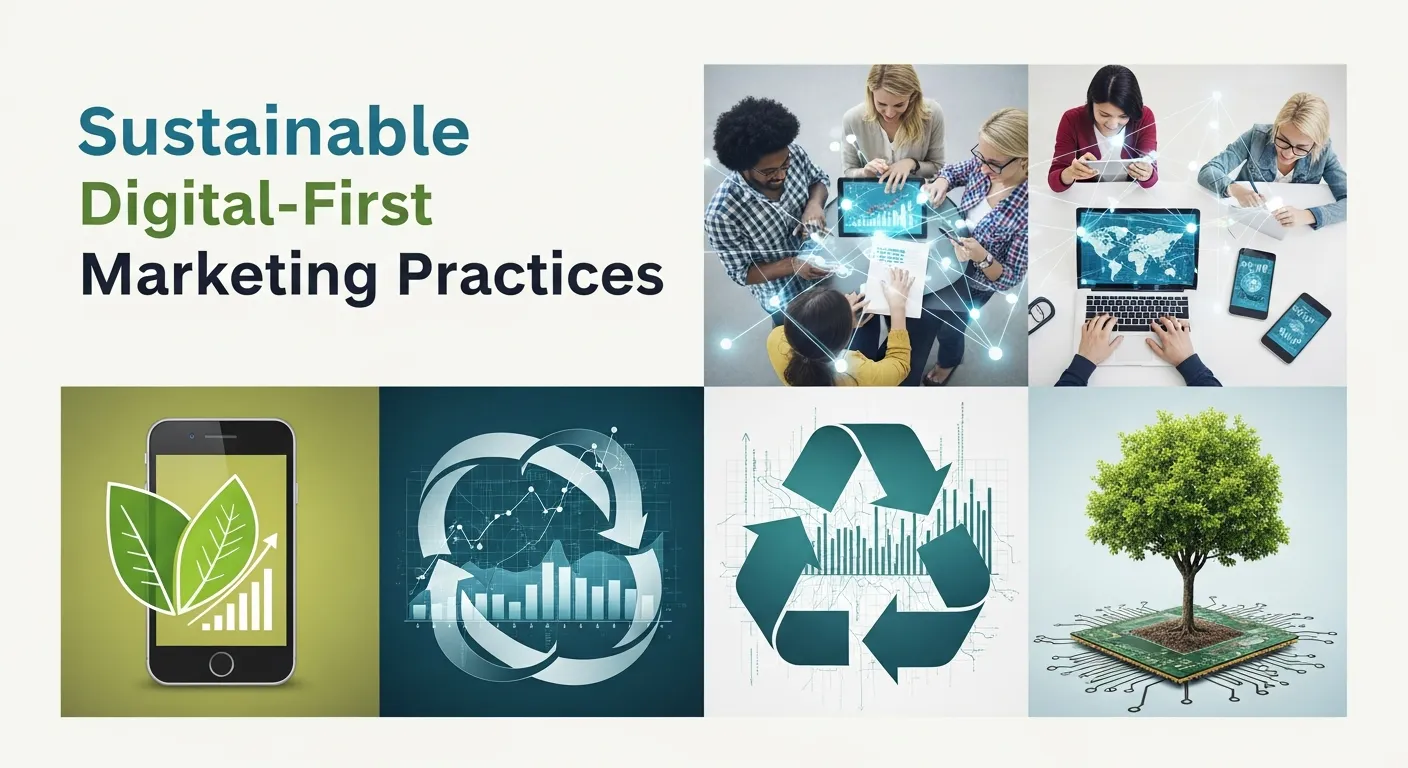
A strong branded sustainability strategy must be communicated effectively. Digital marketing offers a low-impact, high-reach platform to share your story and engage with your audience.
Educational Content Marketing
High-quality educational content is a cornerstone of branded sustainability promotion. By educating consumers on environmental issues and what your brand is doing to help, you position yourself as a reliable resource and forge a deeper connection. This is a powerful form of content marketing.
Effective educational content includes:
- Blog articles detailing the environmental effects of industry practices and how you are mitigating them.
- Video tutorials showing how to use your sustainable products for maximum lifespan and minimal waste.
- Infographics that visually contrast the environmental advantages of different consumer choices.
- Podcasts featuring interviews with sustainability experts and thought leaders.
- Interactive tools that help consumers calculate their personal environmental footprint.
This content strategy is effective because it delivers value beyond just selling a product. Consumers will appreciate brands that empower them to be more environmentally responsible.
Social Media Engagement
Social media channels are perfect arenas for branded sustainability marketing, with their focus on community building and narrative sharing. Effective campaigns often feature user-generated content and behind-the-scenes looks at sustainability initiatives.
Unique marketing ideas for social media include:
- Employee spotlights highlighting individual contributions to sustainability efforts.
- Customer success stories about the positive environmental impact of using your products.
- Time-lapse videos showing a green production process or a reforestation project.
- Live Q&A sessions with members of your sustainability team.
- Alliances with environmental advocates and influencers who align with your brand values.
Success on social media comes from real engagement, not polished corporate-speak. Consumers respond more positively to environmental updates that feel authentic and less like a promotional ad. Partnering with a social media influencer can lend credibility and amplify your message.
Email Marketing With Purpose
Email marketing is one of the greenest marketing channels available, with a much smaller carbon footprint than print or broadcast advertising. Sustainable brands can use this to their advantage by sending targeted messages about their environmental benefits.
Effective email strategies for branded sustainability include:
- Monthly sustainability reports that display environmental progress in a clear, digestible format.
- Educational newsletters with eco-friendly tips and advice.
- Product announcements that spotlight sustainable features and materials.
- Customer surveys to gather feedback on sustainability initiatives.
- Exclusive offers for environmentally conscious subscribers.
These emails should be educational and transparent, not aggressive sales pitches. Providing valuable email marketing tips on sustainable living can build a loyal subscriber base that looks forward to your communications.
Old and New Media with an Eco-Conscious Spin
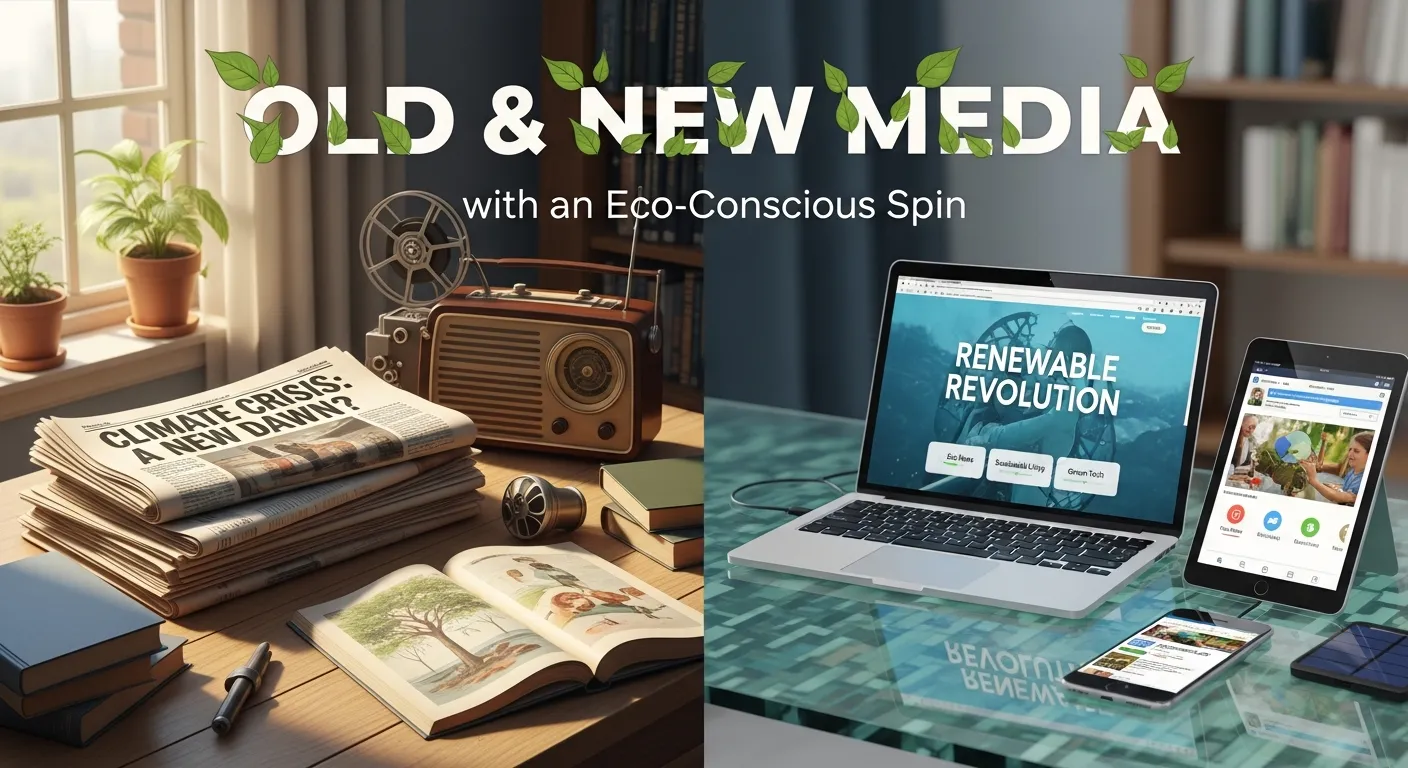
While digital is dominant, a truly integrated marketing approach for branded sustainability considers all channels.
Print Advertising Reimagined
Although digital advertising is king, print still has its place. Eco-conscious brands can use print for good by pushing the environmental message through every stage of the print supply chain.
Green printing tactics include:
- Using recycled paper and soy-based inks.
- Working with carbon-neutral print providers.
- Designing ads that drive digital interaction with QR codes linking to detailed environmental impact reports.
- Selecting publications that share your brand’s commitment to sustainability.
The key is quality over quantity. Instead of mass distribution, focus on carefully targeted placements in publications read by a responsible consumer base.
Event Marketing and Sponsorship
Live events offer a direct outlet for branded sustainability, showing positive impact in action. However, events themselves can have a large environmental footprint.
Tactics for sustainable event marketing include:
- Hosting or sponsoring established environmental conferences and festivals.
- Crafting zero-waste event experiences with compostable materials and water refill stations.
- Powering events with renewable energy sources.
- Offering digital-only promotional materials to reduce paper waste.
- Promoting public transportation or carpooling to events.
- Collaborating with local environmental groups on event-related initiatives.
Sustainability should not just be a theme at these events; it should be demonstrated in every detail. This is an opportunity to show, not just tell, your commitment.
Authentic Environmental Partnerships: The Key to Credibility

Working with Environmental Organizations
Partnerships with respected environmental organizations can offer legitimacy and scale to your branded sustainability efforts. However, the partnership must add real value to conservation, not simply serve as a marketing veneer.
Successful collaborations often involve:
- Financial contributions to specific conservation projects.
- Workplace volunteer programs with environmental non-profits.
- Joint public education campaigns on environmental matters.
- Collaborative research on sustainability solutions.
- Co-branded products where a portion of proceeds supports an environmental cause.
The most effective partnerships naturally integrate with brand values and business objectives. Opportunistic alliances that lack genuine commitment are easily spotted by savvy consumers.
Supply Chain Transparency
True branded sustainability extends beyond marketing slogans to encompass the entire supply chain. Consumers are increasingly demanding transparency about the environmental and social impact across all stages of production.
Successful transparency tactics include:
- Public supplier lists with data on their environmental performance.
- Ongoing audits of suppliers’ environmental and labor practices.
- Cooperative improvement programs with key suppliers to enhance their eco-efficiency.
- Investment in supplier training and technology to promote greener operations.
- Transparent dialogue about supply chain challenges and the steps being taken to address them.
This level of transparency not only fosters confidence with environmentally sensitive customers but also drives environmental improvement throughout the entire industry. This is a core component of strong brand positioning.
Measuring and Communicating Your Impact

Key Performance Indicators (KPIs)
To ensure the effectiveness of your branded sustainability strategy, you must measure both environmental and business impacts. Companies need to track and report on metrics that signal real progress and make good business sense.
Important metrics include:
- Carbon footprint reductions (%).
- Waste reduction and recycling rates (%).
- Water use efficiency improvements.
- Renewable energy adoption (%).
- Supplier environmental performance ratings.
- Customer satisfaction with sustainability activities.
- Changes in brand perception related to environmental responsibility.
These indicators must be consistently measured and reported transparently to maintain credibility.
Storytelling with Data
Raw environmental data rarely has an impact on consumers unless there is a strong narrative behind it. The best sustainable brands are adept at taking complex environmental figures and packaging them into engaging, understandable stories that show the difference they are making.
Effective data storytelling techniques include:
- Relatable comparisons (e.g., “Our water savings this year are equivalent to filling 1,000 Olympic-sized swimming pools”).
- Highlighting the contribution of individual customers to collective environmental targets.
- Featuring employee stories related to sustainability initiatives.
- Visualizing environmental gains through infographics and videos.
- Linking environmental improvements to local quality of life.
The goal is to make environmental data meaningful and inspirational, not overwhelming or technical. This is where emotional marketing meets data analytics.
Common Challenges and How to Overcome Them
Budget Constraints
Some organizations hesitate to embrace branded sustainability because they perceive it as expensive. Yet, many effective sustainable marketing practices can save money and enhance environmental performance.
Cost-effective sustainable marketing strategies include:
- Focusing on digital marketing channels with a lower environmental footprint.
- Repurposing content marketing assets across multiple platforms.
- Collaborating with like-minded brands to share marketing expenses through co-branding partnerships.
- Using employee advocacy for authentic social media promotion.
- Leveraging customer testimonials instead of costly professional advertising.
The key is to start small with low-cost, high-impact actions that demonstrate commitment and build the business case for more substantial investments.
Consumer Skepticism
Decades of greenwashing have made consumers incredibly skeptical of environmental marketing claims. To overcome this skepticism, brands must consistently demonstrate their sincerity through actions, not just words.
Trust-building strategies include:
- Obtaining third-party environmental certifications.
- Releasing detailed environmental impact reports.
- Publicly owning up to failures and sharing lessons learned.
- Establishing public environmental targets with specific timeframes.
- Actively seeking customer feedback on sustainability measures.
Building trust is a gradual process, but it creates a sustainable competitive advantage that more than justifies the investment in reputation management.
Conclusion
Branded sustainability offers a significant opportunity for businesses to align with consumer values and drive long-term growth. The strategies outlined in this guide provide actionable ways for companies at any stage of their sustainability journey to make meaningful progress. Success requires authenticity, not cheap marketing ploys. The consumer can tell the difference between true environmental responsibility and environmental opportunism. Businesses that integrate sustainability into their core model, rather than treating it as a superficial marketing tactic, will be the ones who prosper.
FAQs
1. What is branded sustainability, and why is it important?
Branded sustainability is the practice of integrating environmental and social responsibility into a brand’s core identity, products, and communications. It’s important because consumers increasingly prefer brands that demonstrate genuine care for the planet, which boosts trust, loyalty, and long-term profitability.
2. How can my brand avoid greenwashing?
Avoid greenwashing by being authentic and transparent. Set measurable goals, obtain independent certifications, disclose supply chain practices, publicly report progress (both good and bad), and ensure your sustainability initiatives are deeply integrated into your business operations.
3. What digital marketing strategies are best for promoting a sustainable brand?
Digital-first strategies like educational content marketing, authentic social media engagement, and purpose-driven email campaigns are highly effective. They help brands educate consumers, showcase real environmental efforts, and foster genuine connections without a large environmental footprint.
4. How can a business measure the impact of its branded sustainability efforts?
Track key performance indicators (KPIs) like reductions in carbon footprint, waste, and water usage; supplier sustainability ratings; and customer perception of your environmental responsibility. Use data storytelling to translate these metrics into meaningful narratives.
5. Are sustainable marketing practices more expensive than traditional marketing?
Not necessarily. Many sustainable practices, such as digital campaigns, content repurposing, and employee advocacy, are highly cost-effective. The long-term gains in customer loyalty and brand awareness often provide a significant return on investment.
6. Can a small business effectively implement branded sustainability?
Yes. Small businesses can start with impactful, low-cost actions like sourcing locally, reducing waste, and engaging in community projects. Authenticity and local connection can be a powerful advantage over larger corporations.
7. How does branded sustainability affect employee retention?
A strong branded sustainability mission fosters a sense of purpose among employees. People want to work for companies that are making a positive difference, which leads to higher job satisfaction, increased motivation, and lower turnover rates.
8. What is the role of packaging in branded sustainability?
Packaging is a highly visible component of branded sustainability. Using recycled, recyclable, compostable, or minimal packaging is a tangible way to demonstrate your commitment to reducing waste and environmental harm.
9. How can influencer marketing support branded sustainability?
Influencer marketing can be very effective when you partner with individuals who are genuinely passionate about sustainability. Their authentic endorsement can build credibility and introduce your brand to a highly engaged and values-aligned audience.
10. Does branded sustainability apply to service-based businesses?
Absolutely. Service-based businesses can focus on reducing their operational footprint (e.g., using renewable energy for offices), promoting digital-first communication, volunteering in the community, and ensuring ethical practices in their partnerships and investments.