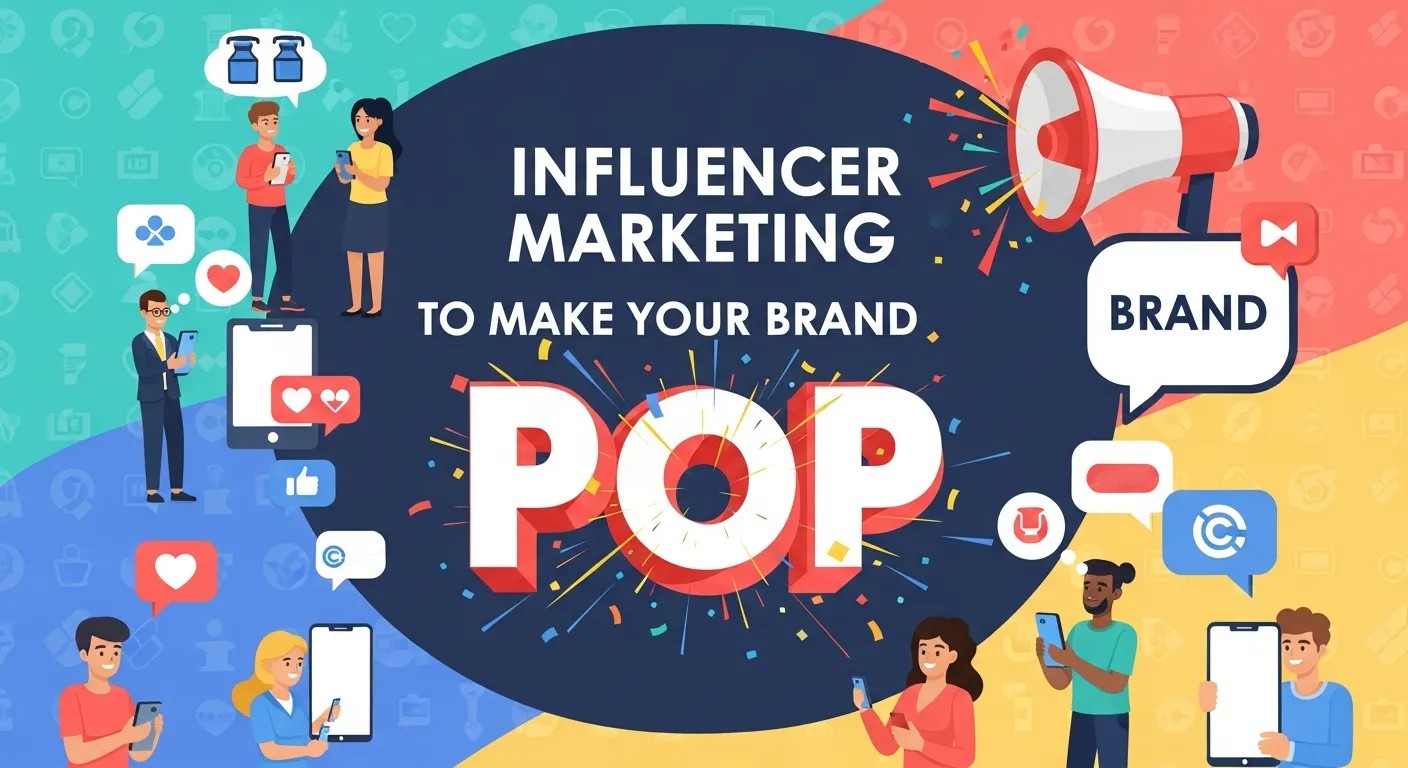
Ready to skyrocket your visibility? Influencer marketing connects brands with authentic voices to build trust and drive sales. Let’s dive into how this powerful strategy works for you.
Influencer marketing leverages online personalities to promote products, building trust and bridging the gap between brands and consumers. This guide covers setting clear goals, selecting the right partners (from micro to macro-influencers), executing campaigns across platforms like Instagram and TikTok, and measuring ROI for maximum impact.
What Is Influencer Marketing?
At its core, influencer marketing is a collaboration between a brand and an online personality to market one of its products or services. But it is far more than just a celebrity endorsement. It is a modern relationship-building tool where content creators act as a bridge between your business and your target audience.
Unlike traditional advertising, influencer marketing relies on the high level of trust that social media influencers have built with their following. When an influencer recommends your product, it serves as a form of social proof. It feels like a recommendation from a friend rather than a faceless corporate ad. This authenticity is the secret sauce that makes influencer marketing so effective in today’s digital landscape.
Why Is It Effective?
The effectiveness of influencer marketing stems from the shift in consumer behavior. People are increasingly skeptical of traditional commercials. They turn ad blockers on and scroll past sponsored posts. However, they actively seek out content from their favorite creators.
Data supports this shift. High-authority sources like Wikipedia note that word-of-mouth marketing is powerful, and influencers digitize this concept at scale. Furthermore, platforms like Google Analytics allow marketers to track the direct impact of these collaborations, proving that influencer marketing often delivers a higher ROI than other digital channels. By leveraging brand awareness and brand positioning, companies can tap into engaged communities that are already primed to listen.
The Key Elements of a Successful Influencer Campaign
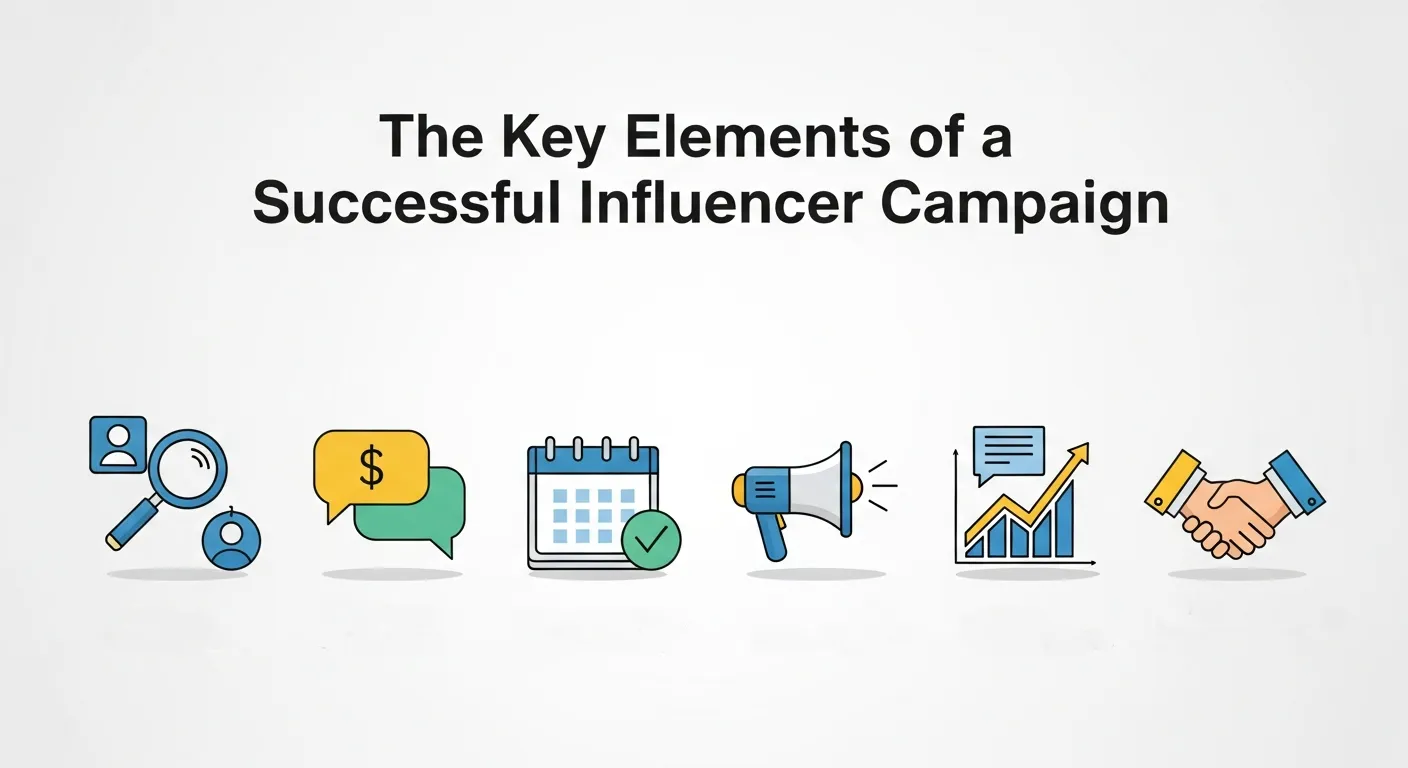
Launching a campaign without a plan is a recipe for disaster. To truly make your influencer marketing efforts pop, you need a structured approach.
1. Definition of Goals for the Campaign
Before you send a single DM or email, you must define what success looks like. Are you looking to improve brand perception in marketing? Or are you focused strictly on sales?
Common goals include:
- Brand Awareness: Getting your name out there.
- Engagement: sparking conversations and likes.
- Lead Generation: capturing emails or sign-ups.
- Sales Conversions: driving direct revenue.
If your goal is brand awareness, you might prioritize macro-influencers with massive reach. If you want conversions, micro-influencers with highly engaged, niche audiences often perform better. Understanding your objective shapes your entire brand strategy road map.
2. Selecting the Right Influencers
Finding the right partner is arguably the most critical step in influencer marketing. A mismatch can feel inauthentic and waste your budget. You must look beyond vanity metrics like follower count.
Key Factors to Consider:
- Relevance: Does their content align with your brand voice?
- Engagement: Do followers comment and interact, or are they ghost followers? Tools like SEMrush or Ahrefs can sometimes help analyze domain authority if the influencer has a blog, but social engagement metrics are key.
- Authenticity: Do they share values that match your ethical branding standards?
The Hierarchy of Influencers:
|
Influencer Type |
Follower Count |
Best For |
Engagement Level |
|---|---|---|---|
|
Nano-Influencers |
1K – 10K |
Hyper-local reach, high trust |
Very High |
|
Micro-Influencers |
10K – 50K |
Niche audiences, specific interests |
High |
|
Macro-Influencers |
500K – 1M |
Broad brand awareness, visibility |
Medium |
|
Mega-Influencers |
1M+ |
Massive reach, celebrity status |
Low to Medium |
Don’t ignore the power of the smaller players. Micro-influencers often hold more sway over purchasing decisions because they are viewed as “real people.”
3. Authenticity as Priority
Consumers are smart. They can spot a scripted ad from a mile away. Effective influencer marketing requires letting go of some control. You must allow the creator to speak in their own voice.
If you force an influencer to use corporate jargon, you risk brand cannibalization of their own personal brand, which hurts your campaign. Instead, provide key talking points but let them wrap the message in their unique brand storytelling. This approach respects their personal brand strategy and ensures the content resonates with their audience.
Strategies for Execution that Have Results
Once you have your goals and partners, it’s time to execute. The platform and content type you choose will dictate the success of your influencer marketing campaign.
1. Using Multiple Platforms Tactically
Not all social media platforms are created equal. Your brand positioning strategy should dictate where you show up.
- Instagram: The king of visual content. Perfect for luxury brand marketing, fashion, and travel. Stories and Reels offer great ways to showcase consumer brand marketing products.
- TikTok: The home of viral trends. Essential for reaching Gen Z. If you want to leverage viral marketing on TikTok, this is the place. It requires a raw, unpolished brand personality in marketing.
- YouTube: Ideal for long-form content like reviews and tutorials. This is excellent for tech products or services requiring explanation, supporting brand education.
- LinkedIn: The go-to for B2B digital marketing strategies. Here, influencer marketing looks like thought leadership and professional insights.
2. Try Different Content Types
Variety keeps your audience interested. Relying solely on static image posts is a missed opportunity.
Effective Formats:
- Unboxing Videos: captures the excitement of receiving a product.
- Tutorials/How-To’s: Demonstrates utility and solves problems.
- Behind-the-Scenes: builds emotional marketing connections by showing the human side.
- Live Q&A: Creates real-time engagement and trust.
Integrating viral content marketing strategy elements, such as challenges or trending sounds, can also boost visibility.
3. Relationship Over Time
One-off posts are fine, but long-term partnerships are where the magic happens. When an influencer repeatedly uses your product, it signals genuine loyalty. This consistency builds brand equity in marketing.
Think of Gymshark. Their strategy wasn’t just about paying for posts; it was about building a family of athletes. This approach to co-branding in marketing turned their customers into a community. Long-term relationships also protect you against brand crisis management issues, as loyal influencers will often defend brands they truly believe in.
Tracking Success and Measuring ROI
You cannot manage what you do not measure. Influencer marketing must be data-driven to justify the spend.
Set Up Key Metrics
Your KPIs should align with the goals you set in step one.
- Reach: Impressions and views.
- Engagement: Likes, comments, shares, and saves.
- Conversions: Click-through rates (CTR) and sales.
Using Tracking Tools
Use technology to your advantage. Google Analytics is essential for tracking referral traffic. You can set up UTM parameters for every influencer link to see exactly who is driving traffic to your site.
Affiliate Links and Promo Codes: These are the gold standard for tracking direct sales in influencer marketing. If Influencer A’s code is used 50 times and Influencer B’s is used 5 times, you know where to allocate your budget next time.
Platforms like Backlinko often discuss the importance of backlinks for SEO; while social links are typically “no-follow,” the traffic they drive signals popularity to search engines, indirectly boosting your SEO services efforts.
Common Mistakes and How to Avoid Them
Even seasoned marketers stumble. Avoiding these pitfalls ensures your influencer marketing budget isn’t wasted.
1. Ignoring the “Fit”
Just because an influencer is popular doesn’t mean they fit your brand archetype framework. A luxury watch brand partnering with a budget-hack influencer sends a confusing message about brand positioning.
2. Treating Influencers Like Billboards
Influencers are content creators, not ad space. If you stifle their creativity, the content will flop. Trust their expertise in content creation services.
3. Focusing Only on Follower Count
Fake followers are a plague. Always vet influencers for genuine engagement. A verified account with 100k followers but only 50 likes per post is a red flag.
4. Neglecting Disclosure
FTC guidelines require influencers to disclose paid partnerships. Failing to do so is an ethical branding violation and can lead to legal trouble, damaging your digital reputation management.
Advanced Tactics: Taking It to the Next Level
To stay ahead, you need to look at emerging trends in influencer marketing.
The Rise of Virtual Influencers
Automated branding and AI are giving rise to virtual influencers. These computer-generated avatars allow brands complete control over the messaging and brand voice strategy, though they lack the human touch of emotional marketing.
Influencer Whitelisting
This involves getting access to an influencer’s ad account to run ads through their handle. It combines the authenticity of influencer marketing with the targeting precision of paid media buying services.
Leveraging User-Generated Content (UGC)
Encourage customers to become influencers. Running a campaign that incentivizes users to post their own content creates a viral social media campaign effect. This is consumer brand marketing at its finest.
Integrating Influencer Marketing with Other Channels
Influencer marketing shouldn’t exist in a silo. It works best when integrated with your broader marketing mix.
- Email Marketing: Feature influencer content in your outbound email marketing campaigns to increase click rates.
- Website: Display influencer testimonials on your product pages to boost conversion.
- SEO: Influencer blogs can provide high-quality backlinks, supporting your ethical link building strategy.
- PR: Use influencers to amplify your online PR services efforts during product launches.
Conclusion
Influencer marketing has evolved from a trendy buzzword into a fundamental pillar of modern digital strategy. By focusing on authentic relationships, data-driven decisions, and creative freedom, brands can cut through the noise and connect with consumers on a deeper level. Whether you are a startup or a legacy brand, the right influencer strategy can transform your business, driving brand awareness, trust, and revenue.
FAQs
1. How much does influencer marketing cost?
Costs vary wildly based on the influencer’s reach and niche. Nano-influencers might accept free products, while mega-influencers can charge hundreds of thousands per post. It is essential to budget for both the influencer’s fee and the costs of any product you send.
2. How do I find the right influencers for my brand?
Start by looking at who is already talking about your brand or industry. Use hashtags related to your niche on Instagram and TikTok. There are also influencer marketing services and platforms that act as databases to help you filter creators by demographic and engagement metrics.
3. What is a good engagement rate for an influencer?
Generally, an engagement rate between 1% and 3% is considered average. Anything above 3% is good, and above 5% is excellent. Nano and micro-influencers typically have higher engagement rates than celebrities.
4. Should I use an agency or manage influencers in-house?
In-house management gives you more control and direct relationships but is time-consuming. Agencies bring expertise and established networks but cost more. If you are new to influencer marketing, consulting with a digital marketing expert or agency can help avoid costly rookie mistakes.
5. How do I measure the ROI of an influencer campaign?
Calculate ROI by taking the revenue generated from the campaign, subtracting the cost, and dividing by the cost. Tracking codes, affiliate links, and specific landing pages are crucial for accurate measurement. Don’t forget to value “softer” metrics like brand awareness and content generation.
6. What are the legal requirements for influencer marketing?
In the US, the FTC requires clear disclosure of paid relationships. Influencers must use tags like #ad, #sponsored, or the “Paid Partnership” tool on platforms like Instagram. Failure to comply can result in fines and damage to your brand reputation.
7. Can B2B companies use influencer marketing?
Absolutely. B2B influencer marketing focuses on industry thought leaders, speakers, and experts on platforms like LinkedIn. It’s about building credibility and trust rather than impulse purchases.
8. What is the difference between a brand ambassador and an influencer?
An influencer might do a one-off campaign. A brand ambassador has a long-term, ongoing relationship with the brand, often becoming the “face” of the company for a specific period. This aligns closely with brand advocacy strategies.
9. How long does it take to see results from influencer marketing?
While you might see an immediate spike in traffic when a post goes live, the true value often builds over time. Brand recall and trust are cumulative. A consistent influencer marketing strategy yields better long-term results than sporadic posts.
10. Is influencer marketing dying?
No, but it is changing. The “perfect” aesthetic is out; raw, authentic content is in. Consumers are smarter and demand transparency. Brands that adapt to these shifts and prioritize genuine connections will continue to see success with influencer marketing.