Building a memorable brand in a crowded market is a formidable challenge. This comprehensive guide unpacks the essential digital marketing strategies—such as AI Marketing, Brand Storytelling, and Voice Search Optimization—that cut through the noise.
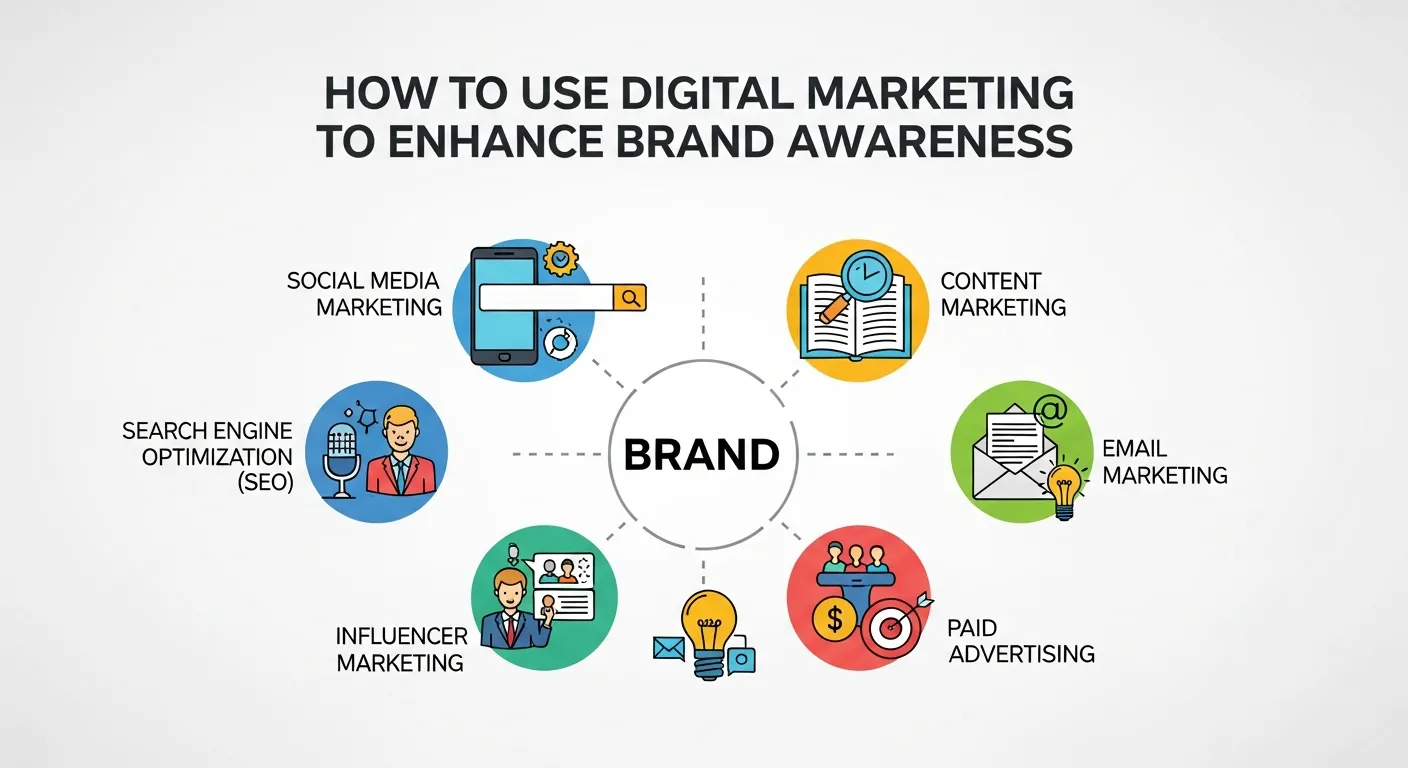
This guide explores essential digital marketing strategies to boost brand awareness, from SEO and content creation to social media, influencer outreach, and emerging tactics like NFT Marketing, Webinar Engagement, and Gamification Strategies. You will discover practical, actionable tips to build a strong online presence, connect with your target audience, and achieve measurable growth in a competitive landscape.
The Foundational Role of Digital Marketing in Branding
At its core, digital marketing encompasses all marketing efforts that use an electronic device or the internet. It is the framework that allows businesses to connect with audiences, nurture relationships, and build a lasting brand identity. Unlike traditional methods that often involve one-way communication to a broad audience, digital marketing creates a dynamic, interactive, and measurable ecosystem—one that leverages Brand Equity, Emotional Branding, Cross-Channel Marketing, and Personalization Tactics.
The primary function of digital marketing in building brand awareness is to establish multiple, consistent touchpoints where potential customers can discover, engage with, and remember your brand. It’s about being present and valuable in the online spaces where your target audience spends its time—be it searching on Google, scrolling through Instagram feeds, reading emails, or listening to podcasts. Through a strategic and integrated mix of online channels—like Social Media, E-commerce Growth, Mobile Marketing, and Green Marketing—you can shape public perception, establish credibility, build trust, and cultivate a loyal community that actively chooses your brand over all others.
SEO Optimization: Your Blueprint for Digital Visibility
Search Engine Optimization (SEO) is the non-negotiable foundation of your brand’s digital visibility and a core part of Reputation Management. When your audience has a question, a need, or a problem, their first instinct is usually to turn to a search engine. SEO is the practice of ensuring your brand is the answer they find. Effective SEO optimization goes beyond just ranking; it’s about establishing your brand as the most relevant, helpful, and authoritative resource for the queries your target customers are using. This digital marketing discipline is a long-term investment in sustainable brand awareness and enhancing Brand Accessibility.
Keyword Research and Search Intent
The first step in any robust SEO strategy is understanding the language of your audience. This involves more than just finding popular terms; it requires a deep dive into search intent—the “why” behind a query. Using strategies like Account-Based Marketing (ABM), you can further personalize keyword targeting.
- Informational Intent: Users are looking for information. (e.g., “how to build a skincare routine”). Content like blog posts, guides, and how-to videos can capture this audience.
- Navigational Intent: Users are looking for a specific website. (e.g., “Acme Skincare blog”). This is a direct indicator of brand awareness and aligns with Inbound Marketing.
- Commercial Intent: Users are researching before a purchase. (e.g., “best vitamin C serum reviews”). Comparison articles, top-10 lists, and detailed reviews work well here.
- Transactional Intent: Users are ready to buy. (e.g., “buy Acme Skincare vitamin C serum”). Optimized product and service pages are crucial for this stage.
Tools like Ahrefs and SEMrush help you map keywords to each stage of the buyer’s journey, supporting successful Conversion Optimization. Don’t overlook Google’s own “People Also Ask” section for content ideas that directly address user questions.
On-Page and Technical SEO
On-page SEO involves optimizing the elements on your website, while technical SEO ensures your site is structured in a way that search engines can easily crawl and index—directly influencing your Brand Equity KPI.
On-Page SEO Elements:
- Meta Titles & Descriptions: Your digital billboard in search results. Make them compelling, include your primary keyword, and keep them within character limits (under 60 for titles, 155 for descriptions).
- Header Tags (H1, H2, H3): Structure your content logically. The H1 is your main page title, while H2s and H3s break down subtopics, making content scannable for both users and search engines. This structure supports successful Brand Storytelling and Brand Voice.
- Internal Linking: Create a web of links between related pages on your site. This helps distribute authority and guides users to more of your valuable content, increasing their time on site and improving Customer Retention.
- URL Structure: Keep URLs clean, descriptive, and short. For example,
yourbrand.com/blog/digital-marketing-strategiesis better thanyourbrand.com/p?id=123.
Technical SEO Checklist:
- Site Speed: A slow website frustrates users and hurts rankings. Use Google’s PageSpeed Insights to diagnose issues. Compress images, leverage browser caching, and consider a Content Delivery Network (CDN) for optimal Mobile Marketing results.
- Mobile-First Indexing: Google primarily uses the mobile version of your site for ranking. Your website must be fully responsive and offer an excellent experience on all devices—critical for Mobile Marketing and Customer Experience.
- XML Sitemap: This file acts as a roadmap for search engines, helping them discover all of your important pages. You can submit it via Google Search Console.
- Robots.txt: This file tells search engines which pages they should or should not crawl.
Advanced SEO: Beyond the Basics
To truly dominate search results and build authority, you must go further.
- Voice Search Optimization: With the rise of smart speakers, chatbots, and voice-enabled apps, optimizing for voice search is essential. Voice queries are typically longer and more conversational. Focus on question-based keywords—think “What are the benefits of Hyperlocal Marketing?”—and aim for featured snippets by providing clear, concise answers.
- Schema Markup: Schema is a form of microdata that gives search engines explicit information about your content, leading to rich snippets (like star ratings, FAQ dropdowns, or event listings) in search results. This makes your listings more eye-catching and can increase click-through rates, supporting Zero Click and Interactive Content Marketing.
- E-E-A-T (Experience, Expertise, Authoritativeness, Trustworthiness): Google’s guidelines emphasize these factors. Build E-E-A-T by showcasing expert bios, using trustworthy sources, gaining reputable backlinks, and sharing Social Proof, like customer reviews.
Content Marketing: The Engine of Trust and Authority
Content Marketing is the strategic practice of creating and distributing valuable, relevant, and consistent content—including Interactive Content and dynamic Webinar Engagement—to attract and retain a clearly defined audience. Instead of overtly selling, you are providing utility. This approach builds trust, establishes your brand as an expert, and keeps your audience coming back for more. It is a cornerstone of modern digital marketing and supports Brand Longevity Challenges and Benefit of Branding.
Expanding Your Content Arsenal
While blogs are a great start, a diverse content strategy using innovative tactics like Gamification Strategies, Storytelling, and Brand Archetypes can capture a wider audience.
- Podcasts: On-the-go audio content, such as interviews, internal training, or brand stories, builds personal connection and supports Personal Branding.
- Webinars: Live or on-demand online events showcase your expertise, answer questions, and drive E-commerce Growth. Webinars are also key for Community Building and real-time engagement.
- Interactive Content: Quizzes, calculators, and interactive graphics boost engagement and reinforce your brand’s message—critical for Gamified Marketing.
- Case Studies and Whitepapers: These formats build Brand Equity by highlighting real-world results and thought leadership. Use data from Data-Driven Insights and Account-Based Marketing strategies.
- Video Marketing: Platforms like YouTube, TikTok, and Instagram Reels allow you to deliver content in engaging, accessible formats. Video Advertising is also key for Awareness Building and Brand Rituals.
- Live Streaming: Platforms such as Facebook Live or Twitch provide compelling ways to connect with your community, discuss relevant topics, or host virtual events—hugely beneficial for Virtual Influencers, Social Media Management, and Sponsorship.
- User-Generated Content: Encourage your community to share experiences related to your brand, supporting Brand Advocacy, Brand Community, and Customer Perception.
Creating a Content Calendar
Consistency is crucial in content marketing and supports Omnichannel Strategies. A content calendar helps you plan, organize, and execute your strategy, ensuring a steady stream of valuable content across all digital marketing channels.
|
Week |
Monday (Blog) |
Wednesday (Social) |
Friday (Video/Podcast) |
|---|---|---|---|
|
1 |
Guide: “10 Tips for Effective SEO” |
Carousel summarizing blog tips |
Short video tutorial on Tip #1 |
|
2 |
Expert Interview: AI Marketing |
Infographics: Data-Driven Insights |
Podcast on Emotional Branding |
|
3 |
Case Study: “How Company X Grew with SMM” |
UGC campaigns, Memes, or Challenges |
Video on Gamification in Branding |
|
4 |
Trend Analysis: Metaverse Marketing |
Poll: NFT Marketing Insights |
Webinar: Cross-Channel Marketing |
This approach fosters Cross-Channel Marketing, leads to higher Market Share, and supports your Resonant Brand Growth.
Social Media Marketing: Build and Engage Your Community
Social media platforms are vibrant, dynamic spaces ideal for Brand Promotion and engagement. Modern strategies have expanded to include Community Building, Conversational AI, and even Metaverse Branding. Platforms like Instagram, LinkedIn, TikTok, and Facebook are essential for deploying successful Branding Strategies, Brand Storytelling, and Brand Rituals.
Platform-Specific Strategies
- Instagram: Visual storytelling, interactive Stories, Reels, shoppable posts, and UGC reinforce your Brand Storytelling and Sensory Branding.
-
- Engagement: Polls, quizzes, collaborative content with Celebrity vs Influencer campaigns.
- LinkedIn: B2B thought leadership, long-form content, case studies, and employee advocacy drive Brand Alignment and Trust Establishment.
- TikTok: Trend participation, Meme Marketing, branded challenges, and short creative clips boost reach and foster Voice Branding.
- Facebook: Live streams, group communities, Event Marketing, and targeted ad campaigns enhance Community Building and Local SEO efforts.
Building a Thriving Community
A strong brand nurtures Community Building, Brand Advocacy, and Brand Accessibility.
- Two-Way Conversations: Conversational Marketing with chatbots, open feedback channels, and AI-powered responses.
- Celebrating Your Audience: Highlight testimonials, share UGC, and support Social Proof and Referral Marketing.
- Exclusive Value: Offer early access, VIP content, and unique incentives to encourage Customer Retention and Brand Loyalty.
Email Marketing: Nurturing Direct Relationships
Email marketing excels at Personalization Tactics, Customer Experience, and nurturing direct relationships. Use segmentation—behavioral, demographic, and psychographic—to improve conversion and drive Hyper-Personalization. Gamified experiences (like interactive newsletters), Emotional Branding, and Omnichannel Campaigns all improve results.
Examples of Successful Email Campaigns
- The Welcome Series: Layer in Benefit of Branding and company Brand Archetype with automated drip campaigns.
- Educational Drips: Dive deep into topics like Conversational AI, Brand Purpose Development, and Multisensory Branding through value-driven nurture campaigns.
- Re-Engagement: Polls, coupons, and
FAQs
1. What is digital marketing for brand awareness?
Digital marketing uses online tools to help people find and remember your business. Instead of just selling right away, it focuses on making sure customers know who you are and what you offer.
- Learn more: Check out our guide on brand basics.
2. Can I do digital marketing myself?
Yes! Many tasks like posting on social media or writing a simple blog can be done by you. As you grow, you might need help with harder tasks like technical SEO.
- Contact us: Need help getting started? Reach out to our team.
Social Media & Content
3. Which social media app should I use?
Pick the app where your customers spend the most time.
- LinkedIn: Best for business-to-business (B2B).
- Instagram/TikTok: Best for visual products and younger crowds.
- Facebook: Good for local businesses and communities.
- Learn more: Read our social media platform comparison.
4. How often should I post content?
Consistency is key. It is better to post a few times a week regularly than to post a lot for one week and then stop.
- Social Media: 3-5 times a week.
- Blogs: 1-2 times a month.
- Learn more: Download our free content calendar template.
5. What kind of content builds awareness best?
Content that helps or entertains your audience works best. Focus on answering their questions rather than just advertising your product.
- Videos: Great for engagement.
- Blogs: Good for answering questions.
- Infographics: Easy to share.
- Learn more: Explore our content creation tips.
Search Engines (SEO)
6. Why is SEO important for my brand?
SEO helps your website show up when people search on Google. If you appear at the top of the list, people will trust your brand more and visit your site more often.
- Contact us: Get a free SEO audit today.
7. How long does it take to see results?
SEO and organic content take time. You usually need 6 to 12 months to see a big change in traffic and awareness. Paid ads can work faster but stop working when you stop paying.
- Learn more: Read about SEO timelines.
Reaching Your Audience
8. What is influencer marketing?
This is when you partner with a popular person online to talk about your brand. Their followers trust them, so they are more likely to trust you, too.
- Learn more: See our guide on finding influencers.
9. Why should I use email marketing?
Email lets you talk directly to people who already like your brand. It is a great way to remind them about you so they don’t forget your business.
- Contact us: Let us help you set up your email list.
10. How do I know if my marketing is working?
You should track specific numbers to see if people are noticing you. Look for increases in:
- Website traffic
- Social media followers
- Search volume for your brand name
- Learn more: Check out our analytics dashboard guide.