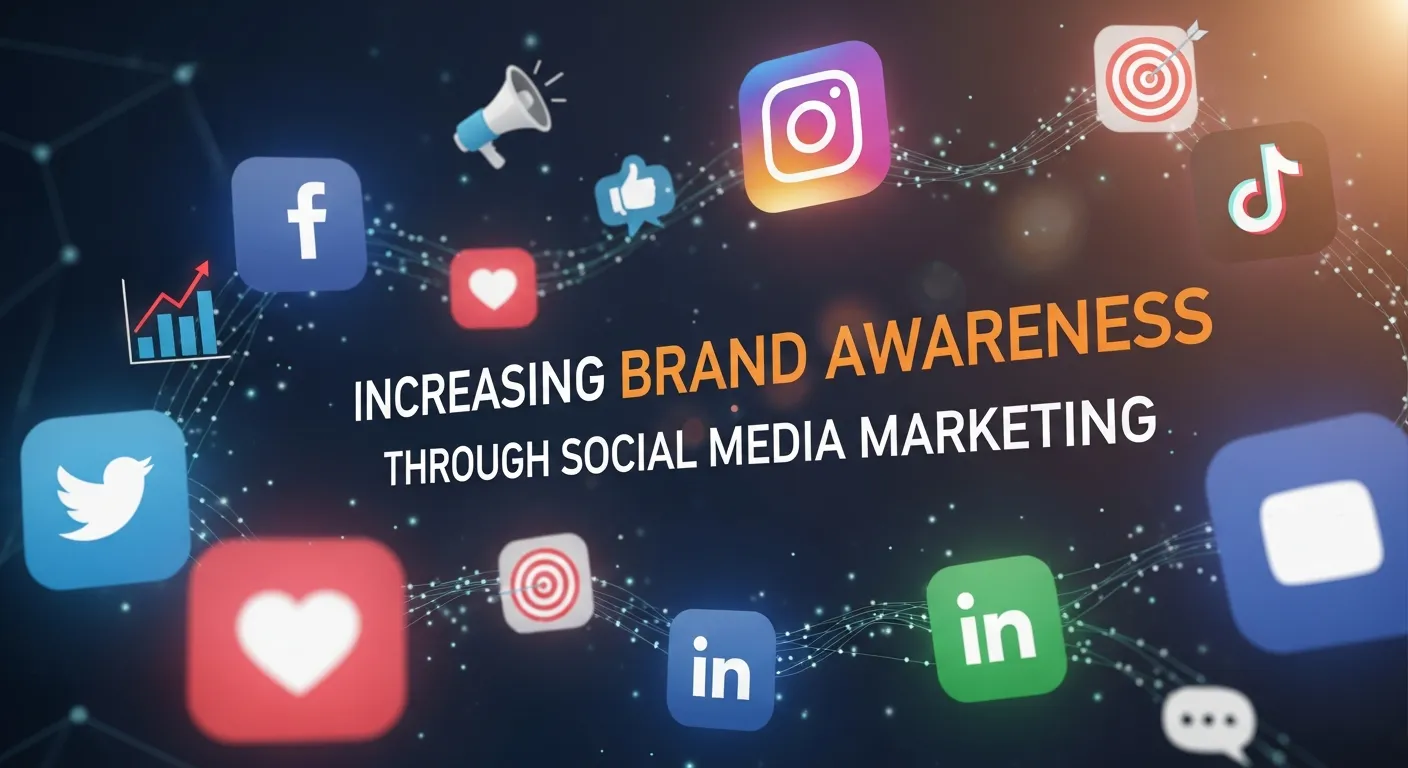
In the crowded digital marketplace, getting noticed is more than half the battle. This guide provides a deep dive into the powerful strategies and tactics for increasing brand awareness through social media marketing, turning passive scrollers into loyal brand advocates.
This article will explore the essential connection between social media and brand recognition. We’ll cover how to select the right platforms, create compelling content, leverage influencer partnerships, and utilize paid advertising. You will gain actionable insights for building and executing a successful strategy for increasing brand awareness through social media marketing.
The Foundations of Brand Awareness in the Digital Age
Before diving into specific tactics, it’s crucial to understand what “brand awareness” truly means today. It’s not just about customers recognizing your logo or name. It’s about the feelings, ideas, and perceptions they associate with your brand. High brand awareness means your business is the first one that comes to mind when a consumer needs a product or service in your niche. This top-of-mind status is a powerful competitive advantage that drives both loyalty and sales.
Social media has fundamentally changed the game for marketers. With billions of active users worldwide, platforms like Instagram, Facebook, TikTok, and LinkedIn offer unparalleled access to potential customers. The core of increasing brand awareness through social media marketing lies in consistently showing up where your audience spends their time and providing value that resonates with them. It’s about building a community, not just collecting followers.
A successful approach requires a multi-faceted digital marketing strategy. It’s about blending organic content with paid advertising, fostering genuine engagement, and telling a compelling brand story. The goal is to create a positive and memorable brand perception in marketing that differentiates you from the competition.
Why Social Media is Non-Negotiable for Brand Awareness
The sheer scale of social media makes it an essential channel. The average person spends hours each day scrolling through feeds, offering countless touchpoints for your brand to make an impression. Here’s why it’s so effective:
- Audience Targeting: Social media platforms provide sophisticated tools to target specific demographics, interests, and behaviors. This ensures your message reaches the most relevant audience, maximizing the impact of your efforts in increasing brand awareness through social media marketing.
- Direct Engagement: Unlike traditional media, social platforms facilitate two-way conversations. You can interact with customers in real-time, answer their questions, and gather valuable feedback. This direct line of communication helps in building strong, lasting relationships.
- Cost-Effectiveness: While paid advertising is a component, a significant portion of social media marketing can be done organically at a low cost. High-quality, shareable content can reach a vast audience without a massive ad spend.
- Authenticity and Trust: Social media allows you to showcase the human side of your brand. By sharing behind-the-scenes content, employee stories, and user-generated content (UGC), you can build authenticity and trust, which are cornerstones of a strong brand.
Step 1: Choosing the Right Social Media Platforms
A common mistake businesses make is trying to be everywhere at once. This spreads resources too thin and leads to mediocre results across all channels. The key to increasing brand awareness through social media marketing is to focus your efforts on the platforms where your target audience is most active.
Understanding Platform Demographics and Vibe
Each social media platform has a unique user base and content style. Understanding these nuances is critical for creating content that performs well.
- Facebook: With its massive, diverse user base, Facebook is versatile. It’s excellent for community building through groups, sharing longer-form content, and running highly targeted ad campaigns. It’s a solid choice for almost any business, especially those targeting a broad demographic.
- Instagram: A visual-first platform, Instagram is ideal for brands in fashion, beauty, travel, food, and lifestyle. High-quality images, Reels (short-form video), and Stories are the currency here. It’s also a powerhouse for influencer marketing.
- TikTok: Dominated by a younger audience (Gen Z and millennials), TikTok is all about short, entertaining, and trend-driven video content. Authenticity and creativity reign supreme. For brands targeting this demographic, mastering TikTok is a fast track to increasing brand awareness through social media marketing.
- LinkedIn: The premier platform for B2B (business-to-business) marketing. It’s the place for professional networking, sharing industry insights, publishing articles, and establishing thought leadership. If your customers are other businesses, a strong LinkedIn presence is essential.
- X (formerly Twitter): Known for its real-time, conversational nature. It’s great for breaking news, customer service, and engaging in timely conversations. Brands use it to share quick updates, join trending topics, and showcase their brand personality in marketing.
- Pinterest: Another highly visual platform, but with a focus on discovery and inspiration. Users come here to find ideas for projects, purchases, and life events. It’s particularly effective for brands in e-commerce, DIY, home decor, and wedding industries.
To make the right choice, conduct thorough audience research. Use analytics from your website and existing social profiles, survey your current customers, and analyze your competitors’ social media presence. Once you’ve identified one to three core platforms, you can develop a tailored strategy for each.
Step 2: Crafting a Content Strategy That Captivates

Content is the fuel for your social media engine. Without a solid content strategy, your efforts in increasing brand awareness through social media marketing will fall flat. Your content needs to be valuable, engaging, and consistent.
The Pillars of Great Social Media Content
A successful content mix typically includes four types of content, often referred to as the “content pillars”:
- Educate: Teach your audience something useful. This could be how-to guides, industry insights, tips and tricks, or answers to common questions. Educational content positions your brand as an expert and a trusted resource.
- Entertain: Make your audience smile, laugh, or feel inspired. Memes, funny videos, behind-the-scenes glimpses, and participation in viral trends fall into this category. Entertaining content is highly shareable and helps humanize your brand.
- Inspire: Share success stories, customer testimonials, motivational quotes, or content that aligns with your brand’s values. Inspirational content builds an emotional branding connection and fosters a loyal community.
- Promote: This is where you talk about your products or services. However, it should be done tastefully and make up the smallest portion of your content mix (a common rule of thumb is the 80/20 rule: 80% value, 20% promotion). Promotions can include new product announcements, special offers, or user-generated content featuring your products.
The Power of Visuals and Video
In the fast-scrolling world of social media, visuals are everything. Posts with images or videos receive significantly higher engagement than text-only posts. Video, in particular, has become dominant. Short-form video (like Instagram Reels and TikToks) is incredibly effective for capturing attention and going viral.
Your visual content should be high-quality and consistent with your brand’s aesthetic. This includes using a consistent color palette, typography, and logo placement. A strong visual identity makes your brand instantly recognizable, a key component of increasing brand awareness through social media marketing.
Embracing User-Generated Content (UGC)
User-generated content is any content—photos, videos, reviews, testimonials—created by your customers rather than your brand. It is one of the most powerful tools for increasing brand awareness through social media marketing. Why? Because it’s authentic social proof. People trust recommendations from their peers far more than they trust advertising from brands.
Encourage UGC by:
- Running contests that require users to post a photo with your product.
- Creating a unique branded hashtag and asking customers to use it.
- Featuring the best UGC on your own social media profiles (always with permission).
GoPro is a master of this strategy. Their entire Instagram feed is a curated gallery of breathtaking photos and videos captured by their customers, showcasing the product’s capabilities in the most authentic way possible.
Step 3: Building a Community Through Engagement

Social media is not a broadcast channel; it’s a community forum. Simply posting content and logging off is a recipe for failure. The secret to increasing brand awareness through social media marketing is to actively engage with your audience.
Strategies for Fostering Engagement
- Respond to Comments and Messages: Make it a priority to respond to every comment and direct message promptly. This shows that you value your audience and are listening to them.
- Ask Questions: End your captions with questions to encourage comments. Run polls in your Stories to get feedback and spark conversation.
- Go Live: Live video is a fantastic way to engage with your audience in real-time. You can host Q&A sessions, conduct interviews, or give a behind-the-scenes tour.
- Engage with Other Accounts: Don’t just stay on your own page. Like and comment on posts from your followers, industry partners, and influencers. This helps expand your visibility.
Wendy’s has built a massive following on X through its witty, humorous, and sometimes savage engagement with other brands and users. This distinct brand voice in marketing has set them apart and created a cult following, demonstrating the power of a strong engagement strategy.
The Role of Social Listening
Social listening is the process of monitoring social media channels for mentions of your brand, competitors, products, and relevant keywords. It’s a crucial part of increasing brand awareness through social media marketing because it provides invaluable insights into:
- Brand Health: What are people saying about your brand? Is the sentiment positive, negative, or neutral?
- Competitive Intelligence: What are your competitors doing? What campaigns are they running, and how are people reacting?
- Customer Pain Points: What problems are your customers facing? This can inspire new products, content ideas, or service improvements.
- Industry Trends: What topics are buzzing in your industry? Tapping into these trends can make your content more relevant and timely.
Tools like Sprout Social, Hootsuite, and Brand24 can automate the social listening process, helping you stay on top of the conversation.
Step 4: The Strategic Use of Influencer Marketing
Influencer marketing involves partnering with individuals who have a dedicated following on social media to promote your brand. It has become a cornerstone of modern digital marketing strategies for increasing brand awareness through social media marketing. When done right, it can introduce your brand to a large, engaged, and highly relevant audience.
Types of Influencers
Influencers are generally categorized by their follower count:
- Mega-Influencers (1M+ followers): Celebrities and social media superstars. They offer massive reach but come with a high price tag and sometimes lower engagement rates.
- Macro-Influencers (100K – 1M followers): Established social media personalities who have built a sizable following around a specific niche.
- Micro-Influencers (10K – 100K followers): Niche experts with a smaller but highly engaged and loyal audience. They often have higher engagement rates and are more affordable, making them a great choice for many brands.
- Nano-Influencers (1K – 10K followers): Everyday people with a strong influence within their local community or a very specific niche. They offer the highest levels of trust and authenticity.
For increasing brand awareness through social media marketing, a mix of influencer types can be effective. Micro and nano-influencers are particularly powerful for building trust and driving conversions due to their authentic connection with their audience.
Finding and Vetting the Right Influencers
The success of an influencer campaign hinges on finding partners whose audience and values align with your brand.
- Relevance: Does the influencer’s content align with your brand’s niche and messaging? A fitness brand partnering with a fitness influencer makes sense; partnering with a video game streamer might not.
- Audience Demographics: Does their audience match your target customer profile? Ask for their media kit, which should include detailed audience analytics.
- Engagement Rate: Don’t just look at follower count. A high engagement rate (likes and comments as a percentage of followers) indicates a healthy, active community. Beware of accounts with a high follower count but very low engagement, as this can be a sign of fake followers.
- Authenticity: Review their past content. Do their sponsored posts feel genuine, or are they just churning out ads? The best partnerships feel like a natural fit.
Structuring Influencer Campaigns
There are many ways to structure an influencer collaboration:
- Gifting: Sending free products in hopes of an organic mention.
- Sponsored Posts: Paying a flat fee for a specific number of posts (e.g., one Instagram post and three Stories).
- Affiliate Marketing: Giving the influencer a unique discount code or link and paying them a commission on sales they drive.
- Brand Ambassadorships: A long-term partnership where the influencer promotes the brand consistently over several months or a year.
No matter the structure, it’s crucial to have a clear contract that outlines deliverables, usage rights for the content, and payment terms. This protects both you and the influencer.
Step 5: Amplifying Reach with Paid Social Media Advertising
While organic social media is powerful, the reality is that platforms have become “pay-to-play.” Algorithms limit the reach of organic posts, meaning only a small fraction of your followers will see your content. This is where paid advertising comes in. A smart paid strategy is essential for rapidly increasing brand awareness through social media marketing.
Types of Social Media Ads
- Brand Awareness Ads: These ads are optimized for reach and impressions. The goal is to get your brand in front of as many people as possible within your target audience. This is the most direct way to use paid ads for increasing brand awareness through social media marketing.
- Traffic Ads: Designed to drive clicks to your website, a specific landing page, or a blog post.
- Engagement Ads: Optimized to get more likes, comments, and shares on a post. This can be a great way to boost a high-performing piece of organic content.
- Lead Generation Ads: Allow you to collect user information (like email addresses) directly within the social media platform, without the user having to leave.
- Conversion Ads: Optimized to drive specific actions on your website, such as purchases or sign-ups. These are tracked using a pixel (a small piece of code) on your site.
The Power of Retargeting
Retargeting is one of the most effective tactics in digital advertising. It involves showing ads to people who have already interacted with your brand in some way (e.g., visited your website, engaged with a social media post, or abandoned a shopping cart).
This audience is already “warm” and familiar with your brand, making them much more likely to convert. Retargeting is crucial for moving people from the awareness stage to the consideration and conversion stages of the customer journey.
A/B Testing Your Ads
To get the best return on your ad spend, you need to test and optimize your campaigns continually. A/B testing involves running two slightly different versions of an ad to see which one performs better. You can test:
- Ad Creative: Different images or videos.
- Ad Copy: Different headlines or body text.
- Audience: Different targeting parameters.
- Call-to-Action (CTA): Different buttons (e.g., “Learn More” vs. “Shop Now”).
By systematically testing one variable at a time, you can identify the most effective combination and maximize your results.
Measuring the Success of Your Brand Awareness Efforts
Measuring brand awareness can feel less straightforward than tracking clicks or conversions, but it is essential for understanding the impact of your strategy for increasing brand awareness through social media marketing.
Key Metrics to Track
|
Metric |
What It Measures |
Why It Matters for Brand Awareness |
|---|---|---|
|
Reach |
The total number of unique people who saw your content. |
This is the most direct measure of how far your message is spreading. An increasing reach indicates successful awareness efforts. |
|
Impressions |
The total number of times your content was displayed, whether it was clicked or not. |
High impressions mean your brand is getting significant visibility in users’ feeds, which is key for building recognition. |
|
Engagement Rate |
The percentage of your audience that interacts (likes, comments, shares) with your content. |
Shows that your content is resonating and that people are not just seeing your brand, but actively engaging with it. |
|
Share of Voice |
Your brand’s mentions compared to your competitors’ mentions. |
A growing share of voice means you are capturing a larger part of the conversation in your industry. |
|
Brand Mentions |
The number of times your brand is mentioned across social media. |
Tracks the “buzz” around your brand. An increase in untagged mentions is a strong indicator of growing awareness. |
|
Website Referral Traffic |
The amount of traffic coming to your website from social media channels. |
Shows that your social media efforts are successfully driving interest and prompting users to learn more about your brand. |
You can track these metrics using the native analytics tools on each social media platform (e.g., Facebook Insights, Instagram Insights) or by using a comprehensive social media management tool. For deeper analysis, tools like Google Analytics can show you how social media traffic behaves on your site.
Beyond quantitative data, it’s also important to monitor qualitative feedback. Pay attention to the sentiment of comments and mentions. Are people speaking positively about your brand? This qualitative insight helps you understand the brand perception you are building.
Integrating Inclusive Brand Strategies
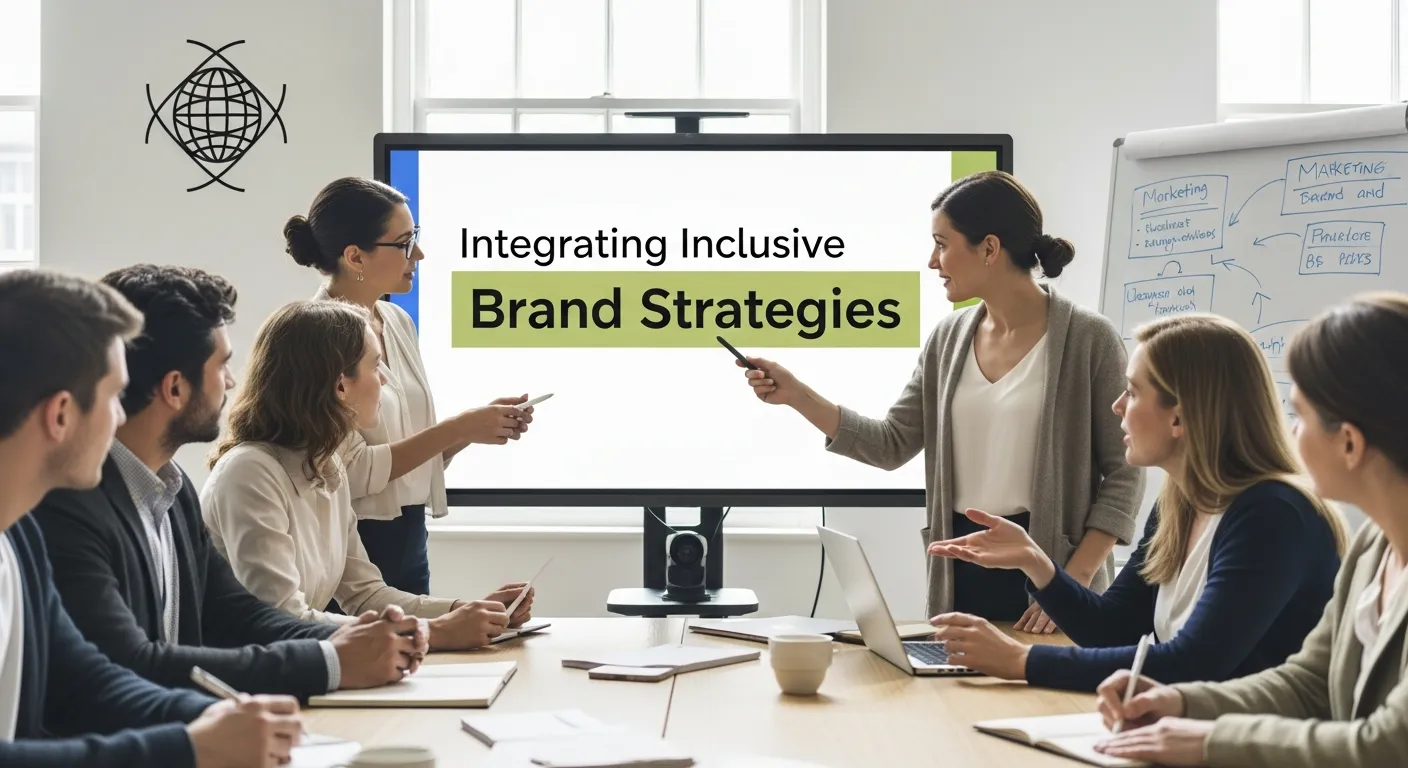
In today’s socially conscious world, increasing brand awareness through social media marketing is not just about what you sell, but what you stand for. Inclusive brand strategies are no longer optional; they are essential for connecting with a diverse audience.
Inclusivity means ensuring your marketing reflects and respects people from all backgrounds, races, genders, abilities, and orientations. Social media is a powerful platform to showcase your commitment to diversity and inclusion.
- Representation in Content: Ensure your visuals and stories feature a diverse range of people. This helps a wider audience see themselves reflected in your brand.
- Accessible Content: Use alt text for images, add captions to videos, and use clear, simple language to make your content accessible to people with disabilities.
- Authentic Engagement: Don’t just perform inclusivity during heritage months. Integrate it into your brand’s DNA year-round. Support diverse creators and partner with organizations that champion inclusivity.
Brands that authentically embrace inclusivity can build deeper, more meaningful connections with their audience, leading to stronger brand loyalty and a more positive brand perception.
Conclusion
Increasing brand awareness through social media marketing is a long-term game that requires a strategic, consistent, and multi-faceted approach. It’s about more than just gaining followers; it’s about building a recognizable, trusted, and beloved brand. By choosing the right platforms, creating compelling and valuable content, fostering a strong community, leveraging influencers, and amplifying your message with paid ads, you can cut through the noise and build a brand that lasts. Start by implementing one or two of these strategies, measure your results, and continually refine your approach.
FAQs
1. Can social media marketing really increase brand awareness?
Absolutely. With billions of users, social media platforms offer an unparalleled opportunity to reach a vast and targeted audience. Consistent and strategic efforts in content creation, engagement, and advertising can significantly boost how many people recognize and recall your brand, making it a highly effective method for increasing brand awareness through social media marketing.
2. How long does it take to see results from social media brand awareness campaigns?
Building brand awareness is a marathon, not a sprint. While you might see short-term spikes from a viral post or a paid campaign, building lasting brand recognition takes time. You can expect to see meaningful, steady growth in metrics like reach, engagement, and brand mentions over a period of 6 to 12 months of consistent effort.
3. What is the most important metric for measuring brand awareness on social media?
While there’s no single “most important” metric, Reach is one of the most direct indicators of brand awareness. It tells you how many unique people have seen your content. For a more comprehensive view, you should also track Impressions, Share of Voice, and trends in both tagged and untagged Brand Mentions.
4. How much should I budget for increasing brand awareness through social media marketing?
Your budget will depend on your industry, goals, and the size of your business. A good starting point is to allocate a portion of your marketing budget specifically for social media. This should cover costs for content creation tools, potential influencer collaborations, and a monthly ad spend. You can start small with paid ads (e.g., $10-$20 per day) and scale up as you see what works.
5. What is the difference between brand awareness and lead generation?
Brand awareness is a top-of-funnel activity focused on making your brand more recognizable and familiar to a broad audience. The goal is reach and recall. Lead generation is a mid-funnel activity focused on capturing the contact information of potential customers who have shown interest in your brand. While a campaign for increasing brand awareness through social media marketing can lead to new leads, its primary goal is visibility.
6. What are LSI keywords and why are they important for this topic?
LSI (Latent Semantic Indexing) keywords are terms and phrases that are semantically related to a primary keyword. For “increasing brand awareness through social media marketing,” LSI keywords would include terms like “digital marketing strategies,” “influencer marketing,” “brand perception,” “social media engagement,” and “content strategy.” Using them helps search engines better understand the context and depth of your content, improving its ranking for a wider range of relevant queries.
7. How can a B2B company use social media for brand awareness?
B2B companies can excel at increasing brand awareness through social media marketing by focusing on platforms like LinkedIn. They should share valuable industry insights, case studies, white papers, and expert commentary to establish thought leadership. Partnering with industry influencers and running targeted ad campaigns to specific job titles or companies can also be highly effective.
8. What is a brand voice and why does it matter on social media?
A brand voice is the distinct personality and tone your brand uses in its communications. It’s crucial for consistency and creating a recognizable persona. Whether your voice is witty, professional, inspiring, or quirky, it should be consistent across all posts and interactions. A strong brand voice helps you stand out and build a stronger connection with your audience.
9. Should I use automation in my social media strategy?
Automation can be a useful tool for scheduling posts and monitoring mentions, which saves time. However, you should never automate engagement, such as comments or direct messages. Genuine, human interaction is key to building a community and a positive brand perception. Use automation for logistics, but keep your engagement personal.
10. What’s the first step I should take to improve my brand’s social media awareness?
The best first step is to conduct a social media audit. Analyze your current presence: Which platforms are you on? Who is your audience? What content has performed well in the past? Also, look at what your top three competitors are doing. This audit will give you a clear baseline and help you identify the biggest opportunities for improvement in your strategy for increasing brand awareness through social media marketing.