Are you struggling to grow your business online? Mastering the 4 types of digital marketing is the ultimate strategy to reach audiences and scale your revenue fast.
This complete guide breaks down search engine optimization, content creation, social media engagement, and email campaigns. You will discover actionable tactics, expert insights, and common pitfalls to avoid. Leverage these pillars to build an online presence that attracts and converts consistently.
The Foundation of Digital Business Growth
Building a successful online brand requires a multifaceted approach. While the internet offers countless ways to promote a business, focusing on the core 4 types of digital marketing ensures you have a stable, scalable strategy. Understanding how search engines, social algorithms, valuable content, and direct email communication work together is essential for long-term survival. Businesses that ignore these fundamentals often find themselves wasting budget on disjointed campaigns. By diving deep into these pillars, you empower your team to make data-driven decisions, allocate resources effectively, and ultimately drive higher returns on investment. Let us explore each of the 4 types of digital marketing in exhaustive detail to help you dominate your industry.
1. Search Engine Optimization (SEO)
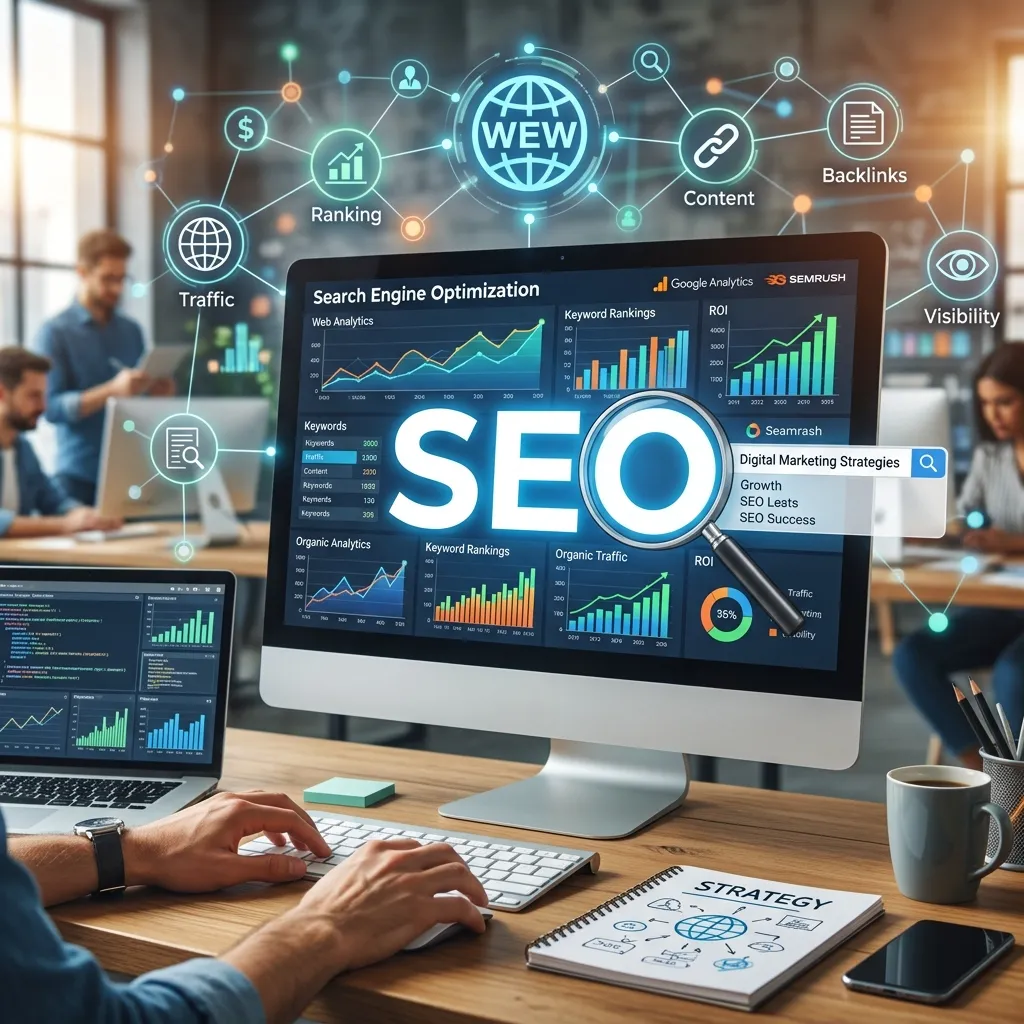 Search Engine Optimization represents the technical and creative process of improving your website to rank higher on search engine results pages. Whenever a potential customer looks up a query related to your products or services, your goal is to appear at the very top of those results. This is a critical component when we discuss the 4 types of digital marketing because organic traffic provides a continuous stream of highly targeted prospects without the recurring costs associated with paid advertising.
How Search Engines Evaluate Sites
Search engines like Google rely on sophisticated algorithms to crawl the web, index pages, and rank them based on relevance and authority. They look closely at user experience metrics, keyword integration, and the overall quality of the information provided. To succeed, you must signal to these algorithms that your page offers the best possible answer to the user’s query. This foundational element of the 4 types of digital marketing requires constant adaptation, as search engines update their criteria frequently to prioritize helpful, human-centered content.
Technical SEO Deep Dive
Before you can rank for competitive keywords, your website must be technically sound. Technical SEO involves optimizing your site architecture so search engine bots can easily crawl and index your pages. This includes ensuring fast page load speeds, implementing mobile-friendly designs, and securing your site with HTTPS. You must also generate a clean XML sitemap and utilize structured data markup to help search engines understand the context of your content. Without a strong technical foundation, even the most brilliantly written articles will fail to reach their full ranking potential.
On-Page Strategy
On-page SEO focuses on optimizing individual web pages to rank higher and earn more relevant traffic. This involves conducting extensive keyword research to understand exactly what your audience is searching for. Once you identify these terms, you must integrate them naturally into your title tags, meta descriptions, header tags, and body content. Furthermore, on-page optimization requires an intuitive user experience. Ensure your text is highly readable, use descriptive alt text for all images, and strategically include internal linking structures to guide users to related content on your site.
Off-Page and Link Building
Off-page SEO refers to actions taken outside of your own website to impact your rankings. The most prominent factor in off-page SEO is backlink profile building. When high-authority external websites link to your content, search engines view this as a vote of confidence. Securing backlinks from industry publications, authoritative blogs, and news outlets significantly boosts your domain authority. Earning these links requires outreach, guest posting, and, most importantly, creating link-worthy content that naturally attracts citations from peers.
2. Content Marketing
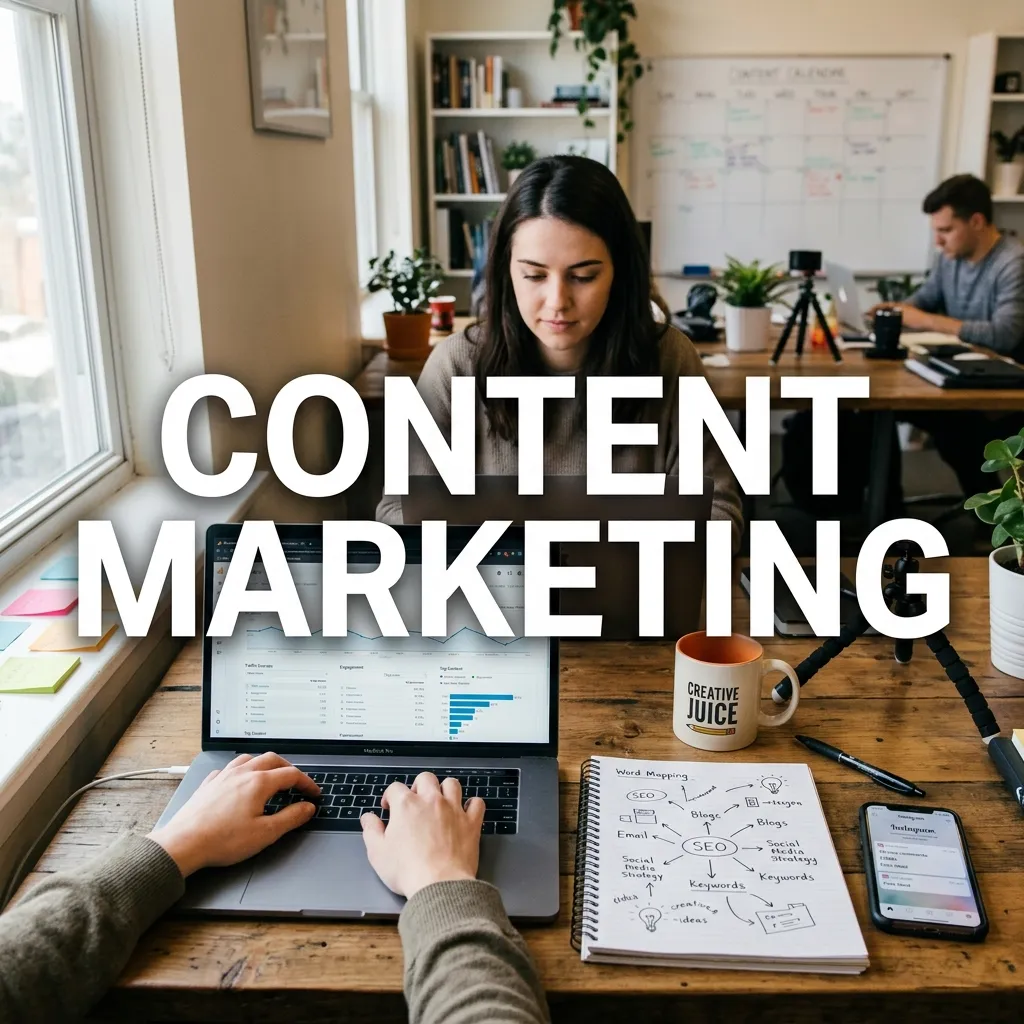 Content marketing is the strategic approach of creating and distributing valuable, relevant, and consistent material to attract and retain a clearly defined audience. Unlike aggressive traditional advertising formats, content marketing provides upfront value. It is the fuel that powers the other 4 types of digital marketing. Without exceptional content, your SEO efforts will stall, your social media profiles will echo with silence, and your email newsletters will lack substance.
The Psychology of Content
Effective content marketing taps into the psychology of your target audience. It requires a deep understanding of their pain points, desires, and daily challenges. When you publish a comprehensive guide or an insightful industry report, you are not just sharing words; you are building trust. Consumers are far more likely to purchase from a brand that has already helped them solve a minor problem for free. Proper content strategy planning ensures that every piece of media you create aligns with the specific psychological triggers of your ideal buyer persona.
Formats that Drive Engagement
Diversifying your content portfolio is essential. While long-form blog posts are fantastic for SEO, your audience might also prefer visual or auditory learning. Consider developing in-depth whitepapers and e-books to capture leads. Launch a podcast to reach professionals during their daily commutes. Create highly engaging video tutorials for platforms like YouTube. Infographics are also incredibly effective for summarizing complex data and are highly shareable, which aids in your link-building efforts.
Content Distribution Strategies
Creating the content is only half the battle; distributing it effectively is where the real work begins. You must proactively push your content in front of your audience. This means sharing it across your social channels, syndicating it on platforms like Medium or LinkedIn Articles, and pitching it to industry newsletters. Utilizing the 4 types of digital marketing in tandem means your distribution strategy seamlessly integrates with your email and social workflows to maximize visibility.
3. Social Media Marketing (SMM)
 Social Media Marketing harnesses the power of platforms like Facebook, Instagram, LinkedIn, TikTok, and X to build brand awareness, foster community, and drive website traffic. As a highly interactive pillar of the 4 types of digital marketing, SMM gives your brand a personality and a voice. It allows you to engage directly with consumers in real-time, handling customer service inquiries, gathering feedback, and participating in global conversations.
Platform Specific Strategies
Every social network has its own unique culture, algorithm, and preferred content format. Treating them all the same is a recipe for failure. LinkedIn is the premier destination for B2B networking, thought leadership, and long-form professional insights. Instagram relies heavily on high-quality visual aesthetics, Stories, and Reels to engage consumer audiences. TikTok demands authentic, fast-paced, and highly entertaining short-form video. X (formerly Twitter) is driven by rapid-fire text updates, news, and trending conversations. Tailoring your approach to fit the medium is crucial.
Fostering Genuine Community
Social media is inherently social. Brands that treat these platforms purely as broadcast channels miss the point. You must actively engage with your followers by replying to comments, asking questions, hosting live Q&A sessions, and sharing user-generated content. When you highlight your customers and celebrate their success with your product, you foster intense brand loyalty. Exceptional social media community management transforms casual followers into vocal brand advocates who will defend and promote your business organically.
Organic vs. Paid Social
While organic social media builds long-term community, organic reach on many platforms has declined significantly over the years. To combat this, businesses often integrate paid social media advertising. Platforms like Facebook and LinkedIn offer incredibly granular targeting options, allowing you to show your content exclusively to people based on their job title, interests, geographic location, and past purchasing behavior. Combining organic community building with targeted paid amplification is a dominant strategy.
4. Email Marketing
 Email marketing involves sending targeted, personalized messages directly to the inboxes of prospects and customers. Despite the rise of new platforms, email remains a cornerstone of the 4 types of digital marketing because it boasts an incredibly high return on investment. You own your email list, meaning you are not subject to the sudden algorithm changes that can instantly wipe out your social media reach or search rankings.
Building and Segmenting Your List
The foundation of email marketing is a high-quality list of subscribers who have explicitly opted in to hear from you. You can build this list by offering valuable lead magnets, such as exclusive industry reports, discount codes, or free webinars. Once you have captured these emails, you must segment your audience. Treating all subscribers the same is inefficient. Segment your list based on demographics, past purchase behavior, and engagement levels so you can send highly relevant, personalized campaigns. Mastering lead generation strategies directly impacts your email success.
The Power of Automation
Email automation allows you to generate revenue in your sleep. By setting up automated workflows, you can trigger specific emails based on user actions. A welcome series can introduce new subscribers to your brand story over several days. An abandoned cart sequence can remind shoppers of the items they left behind, recovering lost sales. Post-purchase workflows can request product reviews and offer complementary upsells. Automation ensures consistent communication without draining your team’s daily resources.
Crafting High-Converting Campaigns
Comparing the Marketing Channels
To effectively utilize the 4 types of digital marketing, you must understand how they compare and complement one another. Below is a detailed comparison table to guide your strategy allocation:
|
Marketing Type |
Primary Benefit |
Speed of Results |
Financial Cost |
Best Used For |
|---|---|---|---|---|
|
SEO |
High quality, organic traffic |
Slow (Months to Years) |
Medium (Labor intensive) |
Capturing high-intent users actively searching for solutions. |
|
Content |
Builds deep brand authority |
Medium |
High (Requires skilled creators) |
Educating prospects and providing assets for other channels. |
|
Social Media |
Rapid community engagement |
Fast |
Low to Medium |
Humanizing the brand and distributing content quickly. |
|
|
Exceptional ROI and retention |
Very Fast |
Low |
Nurturing warm leads and driving direct sales conversions. |
Conclusion
Frequently Asked Questions
1. What are the exact 4 types of digital marketing every business needs?
The essential pillars are SEO, Content Marketing, Social Media Marketing, and Email Marketing. Together, they attract audiences, build trust, distribute content, and convert prospects into long-term customers through a full-funnel strategy.
2. How do the 4 types of digital marketing work together?
How do the 4 types work together? They function as an integrated ecosystem. SEO drives organic discovery, Content Marketing builds trust, Social Media distributes content, and Email Marketing nurtures leads to customers.
3. Which of these marketing channels provides the fastest return on investment?
Email marketing delivers the fastest returns because it targets warm, opted-in audiences. Paid social offers quick visibility, while SEO remains a long-term compounding strategy for sustainable growth.
4. Is it possible to succeed by using only one of these channels?
Is it possible to succeed using one channel? achieve limited success with one channel, but it is risky. Algorithm changes or account issues can instantly eliminate your entire revenue stream.
5. How long does it realistically take to see results from SEO?
How long does SEO take? SEO takes patience. New websites usually see results in 3–6 months, while competitive rankings may take up to a year. The results compound over time significantly.
6. What makes content marketing different from traditional advertising?
Content marketing vs traditional ads? Traditional ads interrupt audiences with direct pitches. Content marketing attracts users by providing helpful, educational, or entertaining content that solves problems before asking for a sale.
7. Do small local businesses need to use all of these marketing types?
Do small businesses need all channels? But focus differs. Local businesses should prioritize Local SEO, use social media for engagement, create local content, email marketing for customer retention and loyalty.
8. What is the most common mistake companies make with email marketing?
What is the biggest email marketing mistake? The worst mistake is buying email lists. It leads to low engagement, spam complaints, poor reputation, reduced deliverability, and significantly harms long-term marketing performance.
9. Which social media platform is best for B2B companies?
Which social platform is best for B2B? LinkedIn is the top platform for B2B marketing. helps target decision-makers by industry, job title, and company size, making it ideal for lead generation.