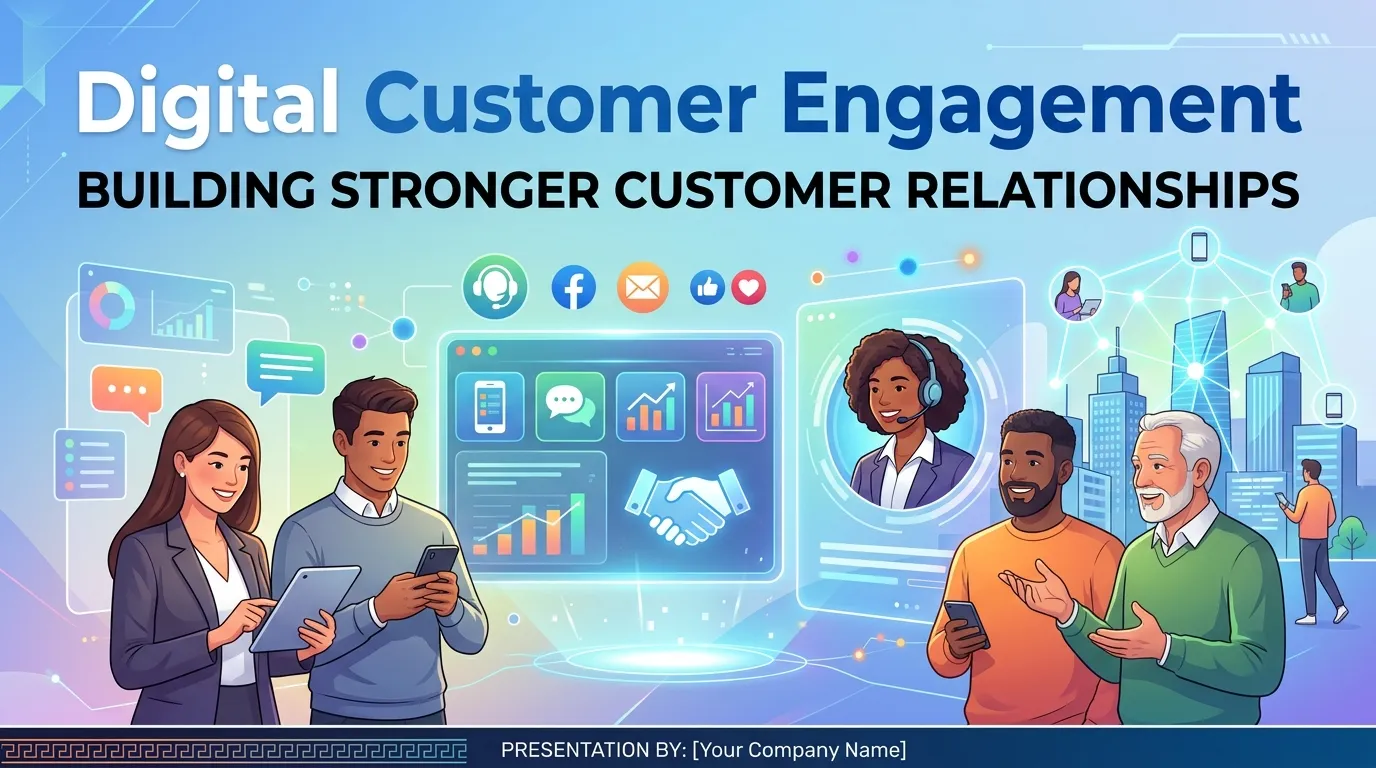
Digital customer engagement is the process of creating meaningful interactions between a business and its customers through digital channels. From personalized content and social media to websites, email, chatbots, and mobile experiences, effective engagement helps businesses build trust, improve customer experiences, and encourage long-term loyalty.
Customers today interact with businesses across websites, social media, email, mobile apps, messaging platforms, and other digital channels. These interactions have changed how people discover brands, evaluate products, ask questions, and make purchasing decisions. Because of this shift, businesses need more than a strong product or competitive price. They also need meaningful and consistent interactions that make customers feel understood and valued.
Digital customer engagement focuses on building these interactions through digital channels. It connects businesses with customers before, during, and after a purchase. A visitor may discover a brand through social media, read useful content on its website, receive a personalized email, speak with a chatbot, and later return because the overall experience was helpful and relevant.
A successful engagement strategy is not simply about increasing the number of messages a company sends. It is about delivering useful experiences at the right moments. Businesses that understand customer expectations can use digital communication to strengthen relationships, improve satisfaction, and create more opportunities for repeat engagement.
What Is Digital Customer Engagement?
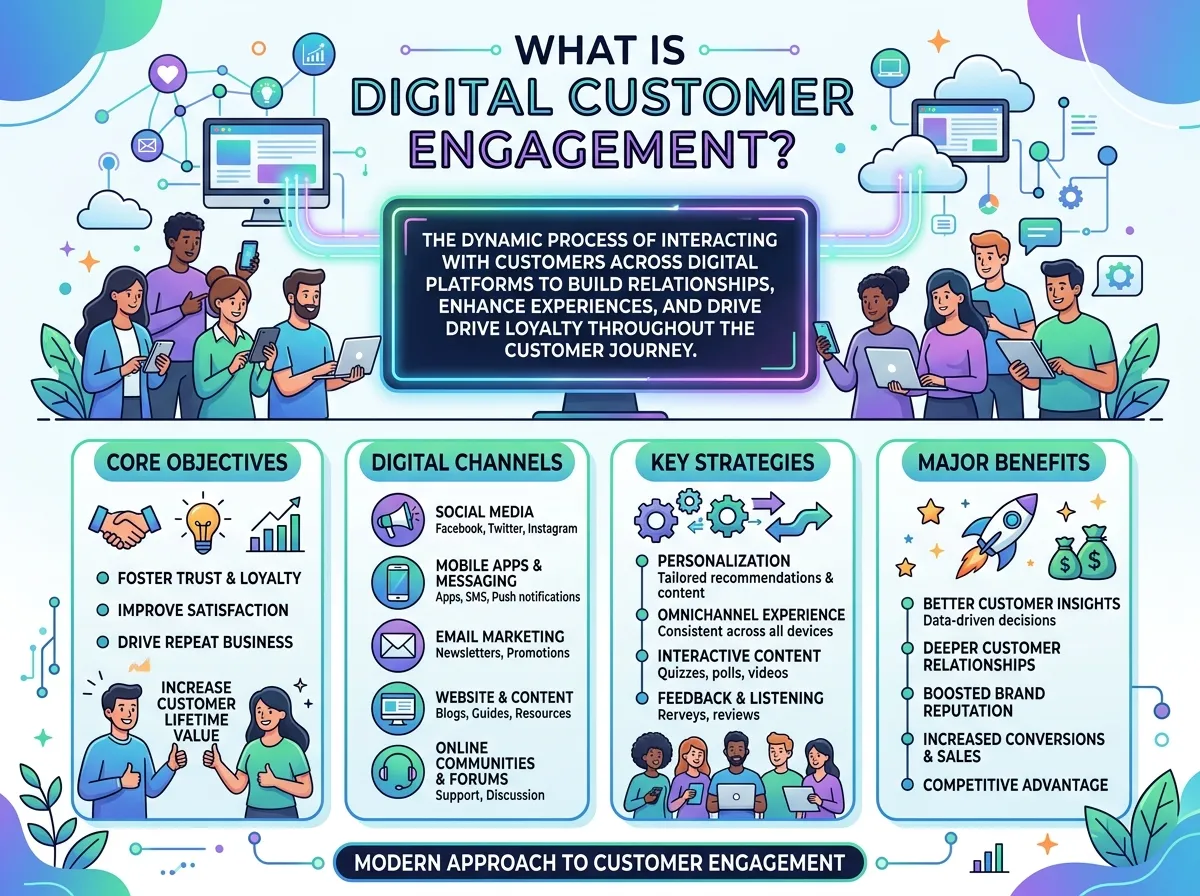
Digital customer engagement refers to the ways businesses communicate and interact with customers through digital channels. These interactions can include social media conversations, email communication, website experiences, online communities, live chat, mobile applications, personalized recommendations, and automated messages.
Unlike traditional communication, digital engagement allows businesses to create ongoing conversations. Customers can respond, ask questions, provide feedback, share content, and interact with a brand at different stages of their journey.
Effective engagement also goes beyond promotional communication. Educational content, helpful support, personalized recommendations, surveys, community discussions, and timely responses can all contribute to stronger relationships.
For example, an online retailer might recommend products based on previous browsing activity while also providing helpful post-purchase information. A software company may use email and in-app communication to help customers understand new features. A local business might use social media to answer customer questions and encourage reviews.
The objective is to make every interaction useful and relevant while maintaining a consistent brand experience.
Why Digital Customer Engagement Matters
Customer expectations have become increasingly connected to digital experiences. People often expect businesses to provide convenient communication, quick answers, relevant information, and simple ways to interact.
Strong engagement can help businesses develop greater customer trust. When customers consistently receive useful information and responsive communication, they may become more comfortable interacting with a brand.
It can also support customer retention. A positive experience does not necessarily end after a transaction. Follow-up emails, helpful resources, personalized recommendations, loyalty communication, and customer support can keep the relationship active.
Another important benefit is customer feedback. Digital channels make it easier for businesses to collect opinions and understand common concerns. Comments, reviews, surveys, social interactions, and support conversations can reveal what customers appreciate and where their experiences could improve.
Businesses can also connect engagement activities with measurable outcomes. Depending on the channel, companies can monitor engagement rates, website behavior, email activity, conversions, customer retention, and other performance indicators.
Developing a Digital Customer Engagement Strategy
A strong digital customer engagement strategy begins with understanding the people a business wants to reach. Customers have different needs, preferences, expectations, and communication habits. Treating every customer in exactly the same way can make digital communication feel generic.
Businesses can begin by identifying important customer groups and understanding their typical journeys. This can reveal which channels customers use, what information they need, and where they may experience difficulties.
Content should then be created around those needs. A customer who is researching a product may need educational information, while an existing customer may need support, product recommendations, or information about additional services.
Consistency is also important. A brand should maintain a recognizable voice and experience across its website, email, social media, messaging, and other digital channels.
Businesses should also review engagement data regularly. Understanding which messages generate responses, which content attracts attention, and where customers stop interacting can help refine the overall strategy.
Customer Engagement Solutions for Modern Businesses

Businesses can use different customer engagement solutions depending on their audience and objectives. These solutions may include customer relationship management systems, email marketing platforms, live chat, chatbots, social media tools, customer feedback systems, mobile applications, and personalized content systems.
The value of these solutions comes from how effectively they connect customer information with communication. A company may collect customer data through several channels, but that information becomes more useful when it helps create a smoother experience.
For example, a business can use customer activity to identify whether someone is a new visitor, an existing customer, or a highly engaged user. Communication can then be adjusted according to that relationship.
Technology should support customer relationships rather than replace genuine communication. Automated systems can improve speed and consistency, but customers should still have access to appropriate human support when a situation requires personal attention.
The Role of Online Customer Engagement
Online customer engagement takes place across websites, social platforms, online communities, email, search, messaging services, and other digital environments. These channels provide businesses with many opportunities to interact with customers outside traditional sales conversations.
A website can engage visitors through useful articles, product information, interactive features, reviews, and clear navigation. Social media can create conversations around products, services, trends, and customer interests.
Online communities can provide another layer of engagement by allowing customers to communicate with one another while interacting with the brand. Businesses can participate in these conversations, answer questions, share useful resources, and learn from community feedback.
The most effective approach depends on where customers naturally spend time. A business does not need to be equally active on every platform. Instead, it should focus on channels that are relevant to its audience and support meaningful interactions.
Customer Engagement Marketing and Personalization
Customer engagement marketing focuses on creating communication that encourages customers to interact with a brand rather than simply presenting promotional messages. Content, offers, social conversations, email campaigns, and interactive experiences can all be designed to encourage participation.
Personalization can make this communication more relevant. Personalized customer engagement may involve using customer preferences, previous interactions, purchase history, browsing behavior, or stated interests to deliver more appropriate experiences.
For example, a customer who has previously purchased a particular product may receive information about related products or useful maintenance content. A visitor who repeatedly reads articles about one subject may receive recommendations connected to that interest.
However, personalization needs to be useful and appropriate. Excessive or poorly targeted personalization can feel intrusive. Businesses should focus on providing genuine value while being transparent about how customer information is used.
Digital Brand Engagement is closely connected to this approach because strong digital interactions can help turn individual customer experiences into stronger relationships with the overall brand.
Connecting Customer Experience and Engagement
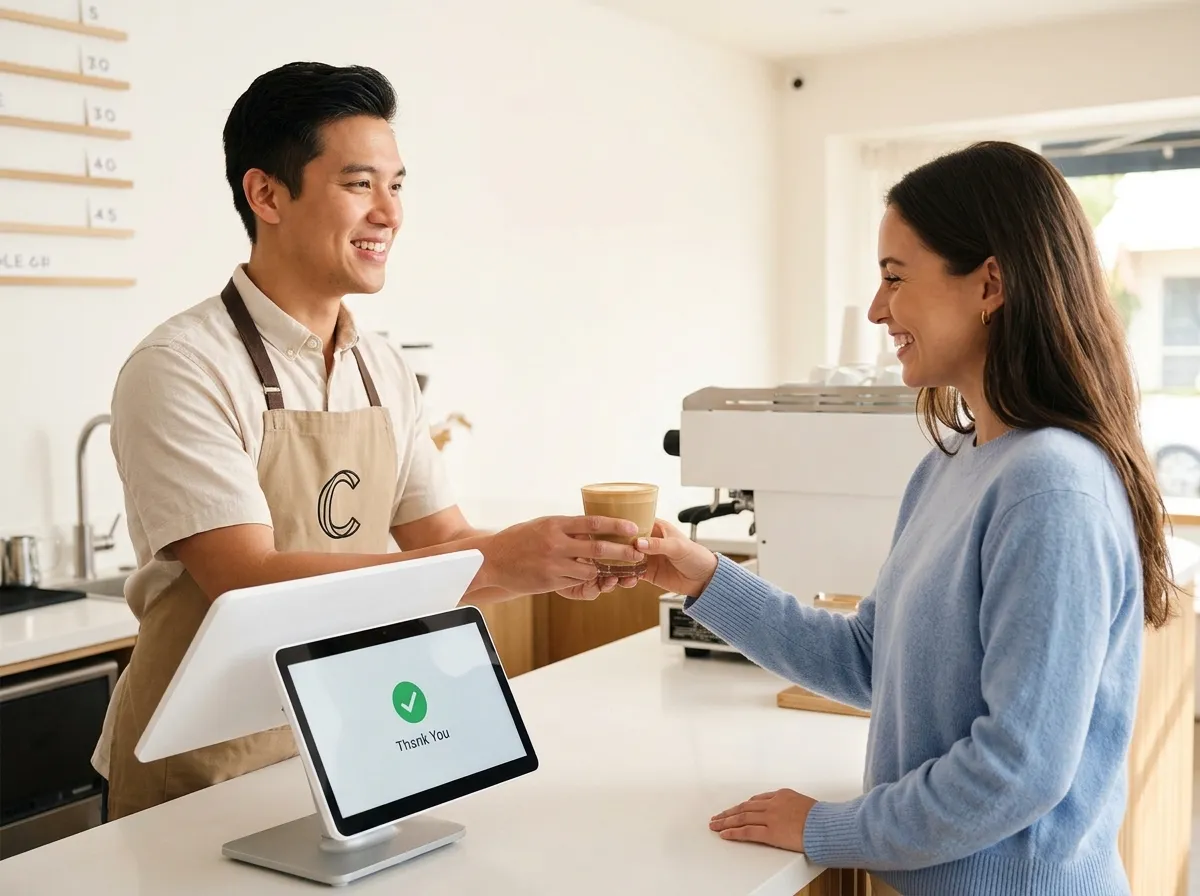
Customer experience engagement describes the relationship between customer interactions and the overall experience a person has with a business. Every digital touchpoint can influence how customers perceive a brand.
A slow website, confusing checkout process, difficult customer support experience, or irrelevant email can weaken engagement. In contrast, simple navigation, useful content, responsive support, and consistent communication can make customers more comfortable interacting with the business.
This is why digital customer experience should be considered alongside engagement. Engagement encourages customers to interact, while the quality of those interactions influences whether they want to continue the relationship.
A business can have an active social media presence but still create a poor customer experience if questions remain unanswered or website visitors struggle to find information. Engagement works best when the entire digital journey supports customer needs.
Customer Engagement Platforms
Customer engagement platforms can help businesses organize and manage interactions across multiple channels. Depending on the platform, businesses may be able to manage customer profiles, email campaigns, messaging, website interactions, support conversations, analytics, and automation.
These systems can help create a more connected customer experience. Instead of treating every interaction as an isolated event, businesses can use available information to understand the broader customer relationship.
For example, customer support teams may be able to see previous interactions before responding to a question. Marketing teams can use engagement information to create more relevant communication. Sales teams can identify customers who have demonstrated interest in particular products or services.
The right platform depends on business size, customer needs, communication channels, data requirements, and budget. Technology should be selected based on actual engagement objectives rather than simply the number of features available.
Creating a Strong Customer Interaction Strategy
A customer interaction strategy provides a framework for how a business communicates with customers across different stages of their relationship. It can include acquisition, onboarding, purchasing, support, retention, and advocacy.
The tone and purpose of communication may change at each stage. New prospects may need educational information, while existing customers may benefit from support and personalized recommendations.
Businesses should also make communication two-way whenever possible. Asking for feedback, responding to comments, encouraging reviews, and creating opportunities for customers to share opinions can make interactions more meaningful.
Another important factor is consistency. Customers should receive a coherent experience regardless of whether they contact the business through email, social media, a website, or another digital channel.
Digital Branding can complement this process by helping businesses maintain a consistent identity and message across digital customer touchpoints.
Customer Engagement Automation
Customer engagement automation allows businesses to deliver certain communications automatically based on customer actions, preferences, or predefined conditions. Automated welcome emails, abandoned-cart messages, appointment reminders, product recommendations, and follow-up communication are common examples.
Automation can save time and make communication more consistent. It can also help businesses respond to customer behavior quickly.
However, automation should not make customer communication feel robotic. Businesses should carefully consider the timing, frequency, and relevance of automated messages. Customers should not receive repetitive communication simply because multiple systems are operating independently.
Automation is most effective when it supports the customer journey. For example, a welcome sequence can introduce a new customer to useful resources, while a post-purchase sequence can provide product information and support.
Businesses should regularly review automated campaigns to ensure that they remain accurate, relevant, and helpful.
Building Digital Communities Around Customers
Digital engagement can become more powerful when customers have opportunities to connect with one another. Communities can create spaces where people share experiences, ask questions, discuss products, and interact with a brand.
Building Brand Communities explores how communities can support stronger relationships and encourage customers to participate beyond individual transactions.
A community can also provide valuable feedback. Customers may discuss challenges and ideas that would not appear through traditional surveys. Businesses can use these conversations to understand customer expectations and improve products or services.
Community engagement should remain authentic. Customers are more likely to participate when they feel that their contributions are valued rather than when every interaction becomes a sales opportunity.
Digital Engagement Through Events
Events can provide another opportunity to create memorable digital customer interactions. Businesses can use digital channels before, during, and after an event to maintain communication with attendees.
Social media content, event emails, online discussions, digital registration experiences, live interactions, and post-event resources can extend engagement beyond the event itself.
Event Branding Techniques shows how event experiences can contribute to a consistent and memorable brand relationship.
Digital engagement also makes it possible to continue conversations after an event. Businesses can share recordings, follow-up resources, surveys, highlights, and personalized communication based on attendee interests.
Measuring Digital Customer Engagement
Measuring engagement helps businesses understand whether their digital interactions are producing meaningful results. The right metrics depend on the business model and communication channel.
Website engagement may be measured through time spent on important pages, returning visitors, interactions, and conversions. Email campaigns can be evaluated through opens, clicks, responses, and conversions. Social media engagement may include comments, shares, saves, direct messages, and other meaningful interactions.
Customer-focused measurements can include satisfaction scores, retention, repeat purchases, support resolution, reviews, and customer feedback.
It is important not to focus only on surface-level numbers. A large number of likes or impressions does not necessarily indicate a strong customer relationship. Businesses should connect engagement metrics with meaningful customer outcomes.
Common Challenges in Digital Customer Engagement
One challenge is communication overload. Customers receive large amounts of digital content every day, so excessive messaging can reduce attention and engagement.
Another challenge is inconsistent experiences across channels. If a customer receives different information from a website, email campaign, and support team, trust can be affected.
Poor personalization can also create problems. Using outdated or irrelevant customer information can make communication less useful.
Data management is another consideration. Businesses need responsible processes for handling customer information and should respect applicable privacy requirements.
Finally, businesses should avoid relying entirely on automation. Digital tools can improve efficiency, but human support remains important for complex questions, sensitive situations, and relationship-building.
The Future of Digital Customer Engagement
Digital customer engagement will continue to develop as businesses adopt new technologies and customers become more accustomed to personalized digital experiences. Artificial intelligence, automation, conversational interfaces, predictive analytics, and integrated customer platforms are likely to play increasingly important roles.
However, technology alone will not create strong customer relationships. Relevance, convenience, transparency, responsiveness, and genuine value remain central to effective engagement.
Businesses that combine useful technology with a customer-focused approach can create digital experiences that feel more connected and consistent. The goal is not simply to generate more interactions but to make those interactions more meaningful.
Conclusion
Digital customer engagement has become an important part of how businesses build relationships with modern customers. Through websites, social media, email, communities, messaging, automation, and personalized experiences, businesses can create ongoing communication throughout the customer journey.
A successful approach combines technology with an understanding of customer needs. Digital customer experience, personalization, customer engagement platforms, meaningful content, and responsive communication can all contribute to stronger relationships.
Businesses should focus on creating useful interactions rather than simply increasing communication volume. When customers consistently receive relevant information, convenient support, and positive digital experiences, engagement can become a long-term part of the relationship between customers and brands.
FAQs About Digital Customer Engagement
1. What is digital customer engagement?
Digital customer engagement is the process of interacting with customers through digital channels such as websites, social media, email, mobile apps, messaging platforms, online communities, and chat tools. It focuses on creating meaningful and ongoing customer relationships.
2. Why is digital customer engagement important?
Digital customer engagement helps businesses communicate with customers throughout their journey. It can support customer satisfaction, retention, feedback, brand relationships, and conversions by making interactions more relevant and convenient.
3. What are examples of digital customer engagement?
Examples include personalized emails, social media conversations, website interactions, live chat, chatbots, online communities, mobile notifications, customer surveys, personalized recommendations, and educational content.
4. How does personalization improve customer engagement?
Personalization can make communication more relevant by using appropriate customer information, such as preferences, previous interactions, or purchase behavior. Relevant content can make customers more likely to interact with a business.
5. What are customer engagement platforms?
Customer engagement platforms are digital systems that help businesses manage and analyze customer interactions. Depending on the platform, they may support email, messaging, customer data, automation, analytics, support, and other engagement activities.
6. How does automation support customer engagement?
Automation allows businesses to send timely communications based on predefined conditions or customer actions. Welcome emails, reminders, follow-ups, recommendations, and abandoned-cart messages are common examples.
7. What is the difference between customer engagement and customer experience?
Customer engagement focuses on interactions between customers and a business, while customer experience covers the broader perception customers develop across those interactions. Engagement is therefore an important part of the overall customer experience.
8. How can businesses improve online customer engagement?
Businesses can improve online engagement by providing useful content, responding to customers, personalizing relevant communication, maintaining consistent experiences, using appropriate digital channels, and making it easy for customers to ask questions or provide feedback.
9. How can digital customer engagement be measured?
Businesses can measure engagement through metrics such as website interactions, email clicks, social engagement, customer responses, conversions, repeat purchases, retention, reviews, satisfaction measurements, and other customer-focused indicators.
10. What role does social media play in digital customer engagement?
Social media provides businesses with opportunities to communicate directly with customers, answer questions, share content, gather feedback, build communities, and encourage conversations around products and services. Its value depends on how effectively the business creates useful and authentic interactions.