Today’s consumers demand authenticity. Brands must go beyond surface-level diversity to implement genuine inclusive brand strategies that celebrate every individual, fostering deep connections and long-term loyalty in a multicultural marketplace.
This guide explores the transformative power of inclusive brand strategies. We will define what true inclusivity means, examine its critical importance for business growth, and provide seven actionable steps—from audience research to internal culture—to help your brand resonate authentically with diverse communities and build a legacy of trust.
What Are Inclusive Brand Strategies?
At its core, the concept of inclusive brand strategies revolves around a deliberate and conscious effort to create a brand ecosystem that welcomes everyone. It is the practice of building a brand identity that respects, values, and represents people from all backgrounds, regardless of their race, gender, age, ability, culture, identity, or lived experience. It ensures that every single member of your audience feels seen and understood through your messaging, visuals, products, and the overall customer journey.
Modern inclusive brand strategies align closely with broader business goals regarding inclusive marketing, Diversity, Equity, and Inclusion (DEI) branding, and the creation of equitable, culturally aware environments. It is not merely a checklist or a quota system; it is a fundamental shift in how a business views its relationship with the world.
Key pillars of robust inclusive brand strategies include:
- Authentic Representation: This involves showcasing diverse visuals, voices, and narratives that truly reflect the reality of different communities and multicultural consumer groups. It moves beyond stock photos into real stories.
- Universal Accessibility: This pillar focuses on designing products, services, and communication using universal design principles. The goal is to ensure everyone, including people with disabilities, can use, understand, and enjoy your offerings.
- Deep Cultural Awareness: This requires practicing culturally sensitive communication, rigorously avoiding stereotypes, and respecting the subtle nuances that define global audiences.
- Internal Value Alignment: True inclusivity starts from within. It is demonstrated through internal culture, ethical hiring practices, diversity policies, and socially responsible storytelling.
- Broader Emotional Connection: By building brand trust and relevance, you create an inclusive customer experience that resonates with diverse lifestyles and identities.
Implementing inclusive brand strategies is more than just a marketing tactic—it is a diversity-first business strategy that fundamentally shapes how people relate to your brand. When executed authentically, it creates a welcoming environment where every customer feels they have a seat at the table.
Why Inclusive Brand Strategies Matter Now
Inclusive brand strategies are essential in today’s diverse and fast-changing marketplace. They signal that your brand truly values people of every race, gender, age, ability, identity, culture, and background. As global demographics shift and consumers demand more authenticity, brands that practice inclusive marketing and culturally aware storytelling build significantly stronger emotional relationships with their audiences.
The modern consumer is savvy. They can spot performative allyship from a mile away. People want brands that see them, respect them, and understand their lived experiences. When companies embrace diversity and equity in their messaging, visuals, product design, and customer experience, they create a deeper sense of belonging. This trust leads to higher engagement, stronger loyalty, and long-term customer relationships.
In a crowded market, inclusive brand strategies become a major competitive advantage. They help brands stay relevant to multicultural consumers who expect representation and accessibility. Furthermore, they boost your reputation by showing that your business is responsible, human-centered, and committed to positive social change.
The Business Impact of Inclusion
The return on investment for inclusivity is tangible. Companies that lead with inclusive brand strategies often see:
- Higher Brand Loyalty: Customers stick with brands that align with their values.
- Improved Customer Satisfaction: When users feel understood, they are happier with the service.
- Stronger Emotional Connection: Emotional resonance drives purchasing decisions more than features alone.
- Better Engagement: Content that reflects the audience gets more shares and interactions.
- Greater Brand Reputation: Being known as an ethical leader attracts top talent and partners.
- Increased Market Reach: Opening doors to underserved markets drives long-term growth.
According to data often cited by platforms like Google Analytics, diverse audiences are not niche markets; they are the growth engine of the future. Ignoring them is not just a moral oversight; it is a strategic error.
Top Benefits of Diversity-Driven Branding

When you commit to inclusive brand strategies, the benefits ripple across your entire organization. Here is a deeper look at why this approach is a game-changer.
1. Broader Audience Reach
By embracing diversity and inclusive messaging, brands naturally appeal to a wider range of multicultural consumer groups, lifestyles, and identities. This expands market potential, increases relevance, and helps you connect with previously underserved or overlooked audiences. Imagine a clothing brand that only offers sizes up to large; they are leaving a massive segment of the population behind. Inclusive brand strategies fix these gaps.
2. Enhanced Brand Reputation
Practicing DEI-aligned branding enhances public perception and positions your brand as ethical, socially conscious, and forward-thinking. Consumers trust brands that demonstrate genuine inclusivity, improving brand credibility and social proof. In the era of Brand Perception In Marketing, how the public views your moral compass is as important as the quality of your product.
3. Greater Innovation and Creativity
Diverse perspectives encourage fresh ideas, better problem-solving, and more innovative campaigns. Inclusive teams produce creative solutions that resonate across cultures and customer segments, giving your brand a competitive edge. This is crucial for Brand Strategy Framework development—different voices lead to less “groupthink” and more breakthrough moments.
4. Improved Employee Engagement
An inclusive brand culture fosters belonging and psychological safety. Employees who feel valued and represented are more motivated, productive, and committed. This strengthens company culture and reduces turnover. Your internal Brand Voice becomes stronger when your employees believe in what the company stands for.
5. Positive Social Impact
Diversity-driven branding contributes to a more equitable society by promoting representation, accessibility, and cultural inclusivity. When brands champion diversity, they influence public attitudes and help drive meaningful social progress. This aligns with Ethical Branding principles, where profit meets purpose.
7 Actionable Strategies for Building an Inclusive Brand
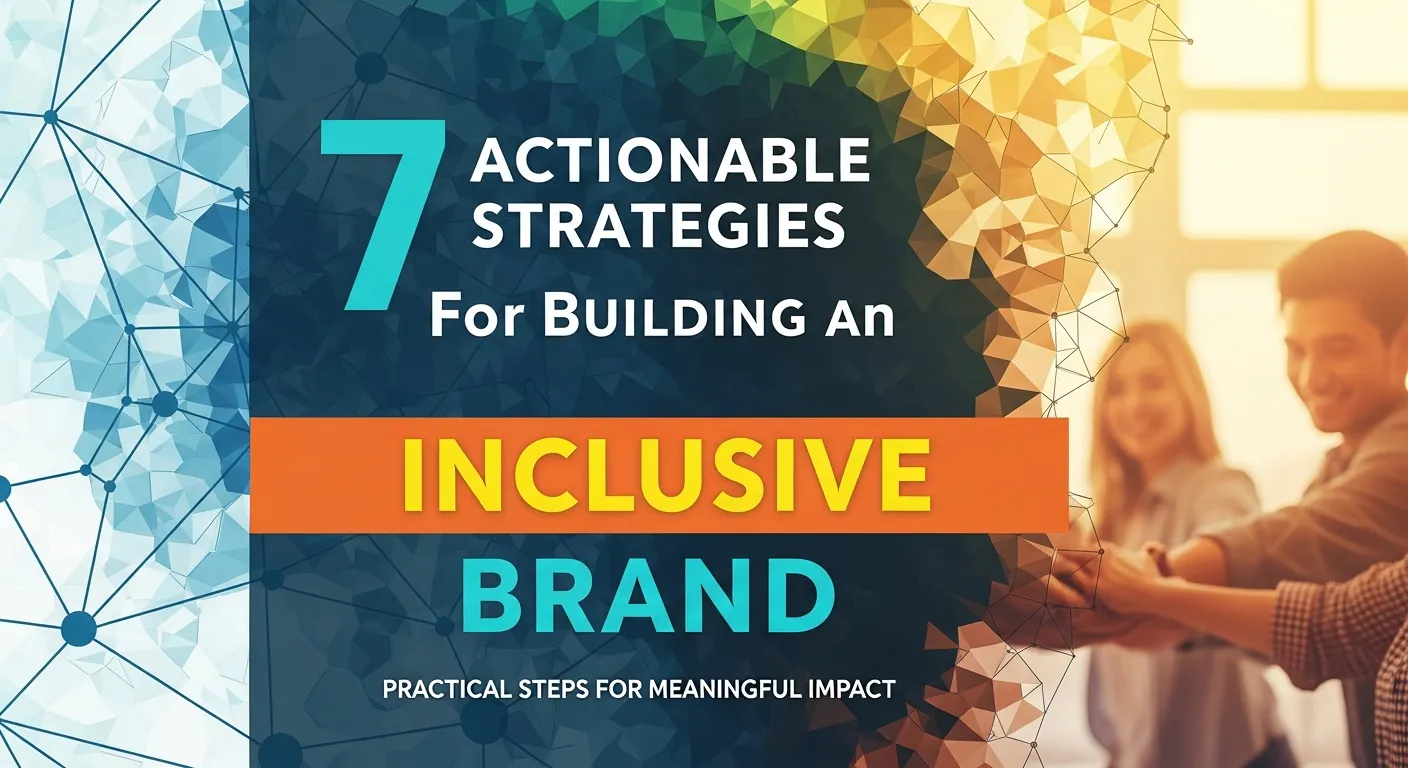
Developing effective inclusive brand strategies requires a methodical approach. It is not about changing your logo for a month; it is about embedding equity into your DNA. Here are seven strategies to guide you.
1. Conduct Comprehensive Audience Research
You cannot support an audience you do not understand. Start with a deep dive into who your customers actually are, not who you think they are. Identify the diverse identities, cultures, and experiences within your customer base.
- Use Data: Leverage tools like Google Analytics and SEMrush to look at demographic data, but go deeper.
- Qualitative Research: Use surveys, focus groups, and multilingual social listening to learn how different communities think and feel.
- Behavioral Insights: Analyze behavioral data to uncover pain points specific to certain groups.
This research helps your inclusive brand strategies stay accurate and respectful. It ensures your Brand Voice Strategy connects with multicultural audiences in a natural and meaningful way. Data-driven insights are the bedrock of any successful Brand Marketing Strategy.
2. Develop Inclusive Messaging
Language shapes reality. Write messages that everyone can understand and connect with. This is a critical component of inclusive brand strategies.
- Gender-Neutral Language: Use “they/them” or “everyone” instead of “ladies and gentlemen” or “guys.”
- Bias-Free Terminology: Be aware of terms that have historical baggage or negative connotations for specific groups.
- Cultural Sensitivity: Avoid idioms that don’t translate well or are specific to one region.
- Localization: Translate your content carefully so it stays true to cultural nuances. Bad translations can be offensive and damage Brand Perception In Marketing.
Clear and respectful communication improves trust and supports equitable audience experiences across all regions. Whether you are crafting Email Marketing Tips for Seasonal Campaign copy or a Brand Positioning Statement, inclusivity should be the lens you write through.
3. Represent Diversity in Visuals
Visual representation is the most visible part of inclusive brand strategies. If a customer visits your website and sees nobody who looks like them, they may subconsciously feel the product isn’t for them.
- Authentic Photography: Use photos of real people with different skin tones, body types, ages, and abilities.
- Avoid Tokenism: Do not just put one diverse person in the background. Center diverse stories.
- Lifestyle Variety: Show different family structures (e.g., single parents, LGBTQ+ couples, multi-generational homes).
Consistent representation helps your brand feel relatable to diverse customer groups. It signals that your brand celebrates individuality. This is vital for Consumer Brand Marketing and Luxury Brand Marketing alike.
4. Ensure Accessibility
Accessibility is not a “nice-to-have”; it is a “must-have.” Inclusive brand strategies demand that your brand is easy for everyone to use.
- WCAG Guidelines: Follow the Web Content Accessibility Guidelines (WCAG).
- Alt Text: Always add descriptive alt text to images for screen readers.
- Captions: Include captions and transcripts for all video content.
- Color Contrast: Ensure readable fonts with strong color contrast for those with visual impairments.
- Assistive Tech: Test your website to ensure it works with keyboard navigation and other assistive technologies.
Strong brand accessibility supports people with disabilities and improves the inclusive customer experience for all users. It also helps with Video SEO and general search rankings, as search engines favor accessible sites.
5. Partner with Diverse Influencers and Organizations
Collaborate with creators, community advocates, and organizations representing different cultures and identities. This is a powerful accelerator for inclusive brand strategies.
- Values Match: Choose partners who share your values and speak authentically to underrepresented groups.
- Amplify Voices: Use your platform to uplift theirs, rather than just using them to sell product.
- Long-Term Partnerships: Move beyond one-off posts to build long-term relationships.
These collaborations help humanize your brand and expand your reach. If you are looking into How to become a social Media Influencer or Influencer Marketing Services, diversity should be a key selection criteria. Partnerships show your ongoing commitment to diversity and inclusive marketing.
6. Foster an Inclusive Internal Culture
You cannot build an inclusive brand externally if you have a toxic culture internally. Inclusive brand strategies must start inside your company.
- Hiring Practices: Adopt blind resume reviews and diverse interview panels.
- Training: Offer regular DEI training to uncover unconscious bias.
- Employee Resource Groups (ERGs): Create safe spaces for employees to connect and amplify their voices.
When your team reflects the diversity of your audience, your Brand Storytelling becomes more authentic. A strong internal culture fuels better ideas and better decisions. It also enhances Employer Branding and helps in attracting talent, perhaps for a Career at New Seasons Market or any forward-thinking organization.
7. Monitor, Measure, and Evolve
Inclusivity is an ongoing journey, not a single project. Your inclusive brand strategies must evolve as society evolves.
- Track Metrics: Monitor engagement across demographic groups and audience sentiment.
- Representation Audits: regularly review your marketing materials to ensure you are meeting your representation goals.
- Feedback Loops: Use surveys and interviews to understand how different communities respond to your brand.
- Adaptability: Be ready to pivot. If you make a mistake, apologize sincerely and learn from it.
Staying adaptive ensures your inclusive branding remains relevant. This applies to Brand Adaptation Strategies and Crisis Management Services. Continuous improvement is key to Brand Longevity Challenges.
Integrating Inclusivity into Seasonal and Niche Marketing
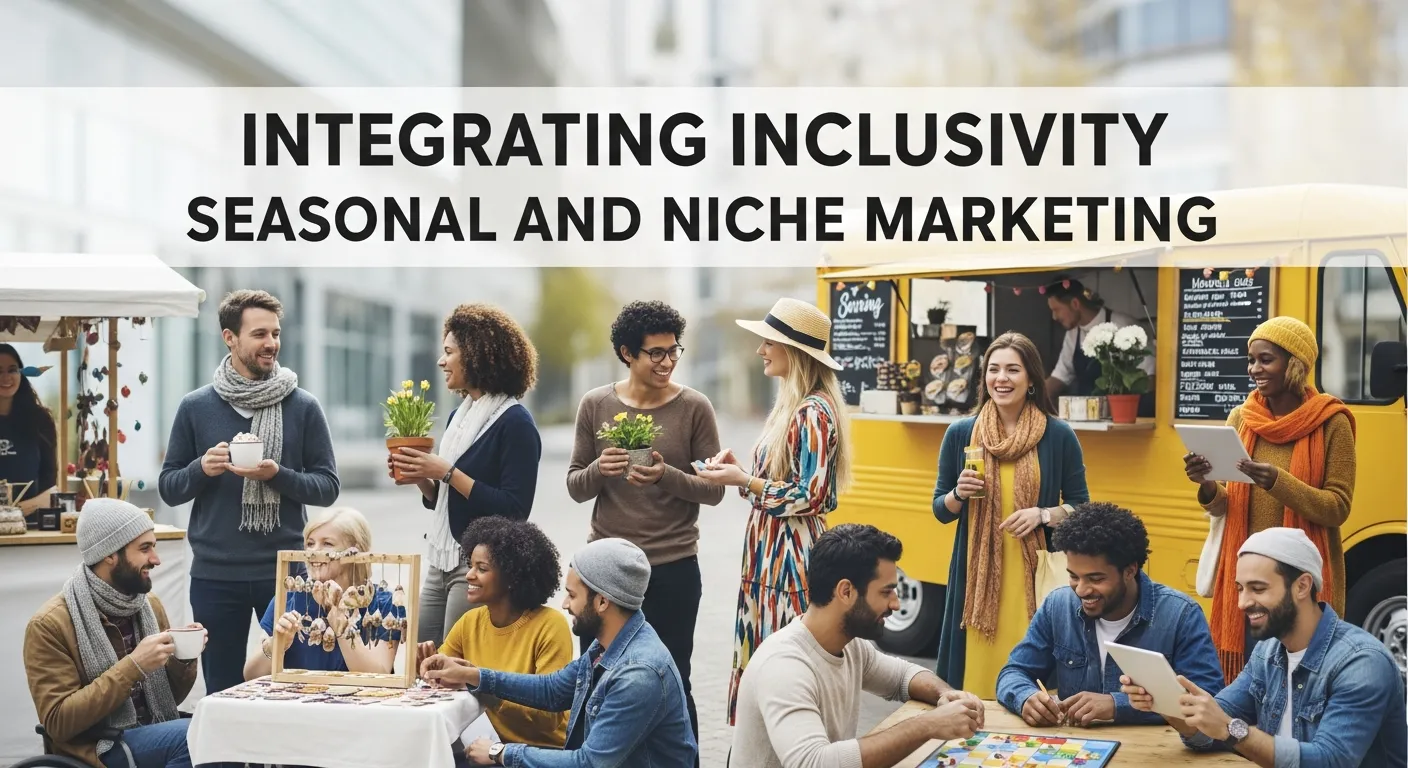
Inclusive brand strategies are particularly potent when applied to specific marketing contexts like seasonal campaigns or niche markets.
Seasonal Marketing Ideas and Inclusivity
When planning Seasonal Marketing Ideas or Holiday and Festival Marketing, inclusivity is crucial. Different cultures celebrate different holidays, and even shared holidays are celebrated differently.
- Multicultural Calendars: Acknowledge holidays beyond the major Western ones (e.g., Lunar New Year, Diwali, Eid, Hanukkah).
- Authentic Celebrations: If you create a campaign around a cultural holiday, ensure you understand the traditions and significance. Avoid commercializing sacred moments.
- Seasonal Promotions: When planning Seasonal Promotions for e-commerce, ensure your imagery reflects the diversity of the people celebrating.
By integrating Cross Channel Seasonal Marketing with inclusive principles, you avoid alienating groups during key buying periods. This thoughtful approach enhances Seasonal Trends In Marketing.
Brand Strategy and Positioning
Your Brand Positioning Strategy defines where you sit in the market. Inclusive brand strategies can shift that positioning from “exclusive” to “accessible and welcoming.”
- Brand Purpose: Define a Brand Purpose Development plan that explicitly includes equity and inclusion.
- Brand Architecture: Ensure all sub-brands or product lines adhere to the same inclusive standards.
- Differentiation: In a sea of sameness, inclusivity is a powerful differentiator for Brand Marketing.
Whether you are doing B2B Digital Marketing Strategies or Personal Brand Strategy, the core tenet remains: people buy from brands that respect them.
Handling Mistakes: Brand Crisis Management

Even with the best inclusive brand strategies, mistakes can happen. You might use the wrong term, or a campaign might land poorly. This is where Brand Crisis Management becomes vital.
- Own It: Do not deflect. Acknowledge the harm done.
- Listen: Listen to the feedback from the community affected.
- Act: Outline specific steps you will take to prevent it from happening again.
- Reputation Management: Use Online PR Services or Reputation Management tools to monitor the conversation and respond appropriately.
Avoiding “cancel culture” isn’t about hiding; it’s about genuine accountability. This resilience is part of Brand Resilience Strategies.
The Role of Digital Marketing and SEO
Inclusive brand strategies also intersect with technical marketing.
- SEO Services: Using inclusive language helps you rank for a wider variety of search terms.
- Voice Search: Optimizing for natural language patterns (often used in voice search) improves accessibility.
- User Experience (UX): Good UX is accessible UX. Web Design & Development should always prioritize accessibility features like keyboard navigation and screen reader compatibility.
Tools like Ahrefs and SEMrush can help identify gaps in your keyword strategy where you might be missing out on diverse search intent.
Case Studies: Brands Leading the Way
Several global brands demonstrate how powerful inclusive brand strategies can be when executed authentically:
Nike – “Dream Crazier” Campaign
Nike celebrated women athletes and challenged gender bias, reinforcing their commitment to representation and empowerment. This campaign did not just sell shoes; it sold a vision of a more equitable sporting world. It is a prime example of Emotional Marketing.
Airbnb – #WeAccept Initiative
Airbnb highlighted belonging, multicultural unity, and anti-discrimination values at a time when inclusivity mattered most. They used their platform to take a stance on immigration and acceptance, directly aligning their Brand Identity with political and social inclusion.
Microsoft – Inclusive Tech Lab
Microsoft pioneered accessibility-focused innovations and products designed with and for people with disabilities. Their Adaptive Controller for Xbox set a new standard for inclusive technology. This goes beyond marketing into core Product Marketing Strategy and design.
These examples highlight how diversity-driven branding fuels loyalty, drives social change, and delivers meaningful business growth. Studying them helps brands understand Digital Marketing Success Stories.
Conclusion
Building inclusive brand strategies goes far beyond traditional advertising—it reflects a deeper commitment to diversity, equity, accessibility, and representation across every part of your organization. Inclusive brand strategies ensure that people from all backgrounds feel acknowledged, respected, and authentically represented through your messaging, visual identity, product design, voice branding, and customer experience.
By applying the seven strategies outlined in this guide—from comprehensive audience research to fostering an inclusive internal culture—your brand can build stronger emotional connections, foster long-term loyalty, and achieve sustainable growth among multicultural audiences. This approach enhances brand reputation, increases engagement, and demonstrates that your company truly embraces inclusive marketing, DEI principles, and culturally sensitive communication.
Starting your inclusivity journey means amplifying underrepresented voices, embracing diverse perspectives, and designing experiences guided by equity-focused thinking and accessibility standards. When brands champion inclusivity, they not only take a socially responsible stance—they also create smarter, stronger, and more future-ready businesses. Inclusive brand strategies are not just the right thing to do—they are a powerful strategy for lasting impact and long-term success.
FAQs
1. What are inclusive brand strategies?
Inclusive brand strategies are deliberate plans and actions taken by a company to ensure their brand welcomes, represents, and respects people of all backgrounds. This includes diverse imagery, accessible product design, and culturally sensitive messaging that resonates with a wide spectrum of consumers.
2. Why are inclusive brand strategies important for business growth?
They are vital because they expand your market reach to underrepresented groups, build deeper trust and loyalty, and enhance your brand’s reputation. In an increasingly diverse world, businesses that fail to implement inclusive brand strategies risk becoming irrelevant and alienating large segments of purchasing power.
3. How do I start implementing inclusive brand strategies?
Start with data and research. Conduct comprehensive audience research to understand the demographics and psychographics of your audience. Then, audit your current marketing materials and internal culture to identify gaps in representation and accessibility.
4. Can small businesses use inclusive brand strategies?
Absolutely. Inclusivity is not about budget; it is about mindset. Small businesses can choose diverse imagery for social media, ensure their websites are screen-reader friendly, and use inclusive language in their emails. These are low-cost, high-impact inclusive brand strategies.
5. What is the difference between diversity marketing and inclusive branding?
Diversity marketing often focuses on specific campaigns targeting distinct groups. Inclusive branding is a holistic, always-on approach where diversity is embedded into the core identity of the brand, not just a temporary campaign. Inclusive brand strategies cover the entire ecosystem, not just ads.
6. How does accessibility fit into inclusive brand strategies?
Accessibility is a cornerstone of inclusion. If a customer cannot access your content or use your product due to a disability, they are excluded. Ensuring your digital and physical presence meets accessibility standards (like WCAG) is a non-negotiable part of inclusive brand strategies.
7. What role does internal culture play in inclusive brand strategies?
Your external brand is a reflection of your internal culture. If your company lacks diversity or has a toxic environment, your external attempts at inclusivity will feel inauthentic (performative). Successful inclusive brand strategies require an internal culture that values and practices DEI.
8. How do I measure the success of inclusive brand strategies?
You can measure success through brand sentiment analysis, customer engagement rates across different demographics, employee satisfaction scores, and market share growth in diverse segments. Regular surveys and feedback loops are essential tools.
9. Are inclusive brand strategies just a trend?
No, they are a fundamental shift in how businesses operate. As global populations become more diverse and younger generations (Gen Z and Alpha) prioritize social values, inclusive brand strategies are becoming a baseline requirement for doing business, not a passing trend.
10. Where can I learn more about accessibility standards for my brand?
You can refer to the Web Content Accessibility Guidelines (WCAG) for technical standards on digital accessibility. For broader education, resources like Wikipedia’s entry on Inclusive Design offer a good starting point for understanding the principles behind inclusive brand strategies.