Have you ever walked into a store and reached for a specific soda without even looking at the other options? That instinct is the power of brand awareness at work.
This comprehensive guide explores the critical role of brand awareness in modern marketing. From defining its core components to outlining actionable strategies like social media engagement and SEO, we provide a roadmap for building a brand that customers recognize, trust, and choose over the competition.
The Foundation of Brand Awareness
Have you ever bought a product instead of the competition just because you knew the brand name? That is brand awareness in the making. It’s one of marketing’s most powerful ideas ever… and one of the least understood.
This post will guide you through what brand awareness is, why it matters for your brand and business, and how you can generate and measure it to great effect. By the end, you’ll have the knowledge you need to begin creating a brand that stands out—one people notice, trust, and choose.
What Is Brand Awareness?
Brand awareness is the extent to which your target market is familiar with your brand and how well they recognize it. It’s not just that people know your logo or tagline. It’s all about making an emotional connection so that when they think about your product or service category, your brand is the first one that comes to mind.
People are more likely to choose your products or services over your competitors, trust your company, and interact with your marketing efforts because they recognize your brand. Consider Coca-Cola or Apple. These brands stand for something, and everyone knows what they stand for. They have achieved the pinnacle of brand equity, where the name itself adds value to the product.
The Levels of Awareness
Brand awareness isn’t a simple “yes or no” metric. It exists on a spectrum, often described as the “Brand Awareness Pyramid”:
- Unaware: The consumer has no knowledge of the brand.
- Brand Recognition (Aided Awareness): The consumer recognizes the brand when they see it (e.g., spotting a logo on a shelf).
- Brand Recall (Unaided Awareness): The consumer can name the brand without prompts when thinking about a category (e.g., “Name a luxury car brand”).
- Top-of-Mind Awareness: The brand is the very first one the consumer thinks of.
Why Brand Awareness Matters
Building brand awareness isn’t just a nice-to-have; it’s a business necessity. It serves as the top of the marketing funnel, feeding all subsequent stages of the customer journey. Here’s why it deserves your attention:
1. Earn Customer Trust
People buy from brands they trust, and trust starts with awareness. The less exposed they are to your brand, the lower their chance that they will learn to trust you over time. This psychological phenomenon is known as the “Mere Exposure Effect”—we tend to develop a preference for things simply because we are familiar with them.
When you have their trust, they’re more likely to buy from you—not just once, but over and over again. This foundation of trust establishment is crucial for long-term customer retention.
2. Stand Out From Competitors
The contemporary business landscape is fiercely competitive. With every imaginable type of product or service for sale, making sure your brand is known is no easy feat. High brand awareness provides you with a defensive moat. If a customer is standing in an aisle deciding between your product and a generic alternative, awareness is the tie-breaker. It creates a subconscious preference that price or features alone often cannot overcome.
3. Fuel Word-of-Mouth Marketing
When customers know and love your brand, they become your advocates. Brand awareness sparks conversations about your business, leading to invaluable word-of-mouth marketing, one of the most effective forms of advertising.
A brand that is top-of-mind is a brand that gets recommended. Whether it’s a tag on Instagram or a casual mention at a dinner party, awareness facilitates referral marketing without you having to spend a dime on ads.
4. Support Marketing Efforts
Brand awareness amplifies the return on your marketing initiatives. Whether it’s digital ads, email campaigns, or SEO optimization, consumers who are already aware of your brand are more likely to click, convert, and buy.
Think about your own behavior: are you more likely to click on a Google search result from a website you recognize or a complete stranger? Awareness improves click-through rates (CTR) and lowers customer acquisition costs (CAC) over time.
Strategies to Build Brand Awareness
Building brand awareness doesn’t happen overnight. It requires a blend of creative marketing strategies and consistent effort. It is about creating a “surround sound” effect where your audience encounters your brand across multiple touchpoints.
Here are some proven techniques to get started:
1. Leverage Social Media
Social media platforms are one of the best places to increase brand visibility. However, simply posting isn’t enough. You must engage. Share content that resonates with your audience, respond to comments, and use hashtags to reach more users.
Social media is no longer just a broadcast channel; it is a conversation.
- Tip: Use stories, reels, and live videos to create authentic connections with your audience. The algorithm favors video content, making video marketing essential.
- Example: Wendy’s Twitter (now X) engagement strategy combines humor with quick responses, keeping their audience talking about their brand. Their “roasts” of competitors and fans alike have become legendary, earning them millions of organic impressions.
2. Invest in Content Marketing
Create content that informs, entertains, or solves a problem for your audience. Blogs, videos, infographics, and podcasts can all position you as a trusted authority in your industry. This approach, often called inbound marketing, draws customers to you rather than you having to chase them.
- Tip: Publish content that reflects your brand’s personality and values. Don’t just write for robots; write for humans. Brand storytelling should be woven into every piece.
- Example: HubSpot’s blog is a treasure trove of insightful marketing articles that have made it a go-to resource for professionals. By giving away valuable knowledge for free, they keep their brand top-of-mind for anyone needing marketing software.
3. Utilize SEO
Optimizing your website for search engines boosts your visibility when potential customers search for topics or products in your niche. Consistently appearing on the first page of Google enhances brand awareness and credibility.
When you rank for informational keywords (e.g., “how to clean leather boots”) rather than just transactional ones (e.g., “buy leather boots”), you introduce your brand to customers earlier in their journey.
- Tip: Target keywords that align with customer intent, not just volume. Use tools like Ahrefs or SEMrush to find these opportunities.
- Example: Airbnb’s strategic use of local SEO helps its listings appear in searches for accommodation in specific cities, often outranking huge hotel chains.
4. Collaborate Through PR
Get your brand in front of a new audience through public relations initiatives, partnerships, or influencer collaborations. A mention or endorsement from a trusted source provides powerful social proof.
This could involve guest blogging on industry sites, appearing on podcasts, or partnering with micro-influencers who have a highly engaged niche following.
- Tip: Pitch stories to media outlets that showcase your expertise or highlight how your brand is creating impact. Focus on brand advocacy and shared values.
- Example: Patagonia actively involves itself in environmental campaigns. This isn’t just charity; it’s a PR strategy that enhances its brand image and awareness through media coverage of their activism.
5. Run Contests or Giveaways
Nothing grabs attention like a good giveaway. People love the chance to win prizes, and a well-run contest can generate buzz and new followers for your brand. This leverages the power of gamification strategies to encourage sharing and engagement.
- Tip: Offer a popular product or service and make it engaging by asking participants to tag friends or share your post. Ensure the prize is relevant to your brand so you attract potential customers, not just freebie hunters.
- Example: Fashion retailer ASOS frequently uses giveaways on Instagram to increase audience engagement and reach, asking users to create content (User Generated Content) to enter.
6. The Power of Remarketing
Remarketing (or retargeting) involves showing ads to people who have already visited your website or interacted with your app. It reinforces brand awareness by keeping your brand visible to people who have already shown interest.
Using programmatic ads effectively ensures that a user who looked at a pair of shoes on your site sees those shoes again on Facebook or a news site, gently reminding them of your brand.
Measuring Brand Awareness
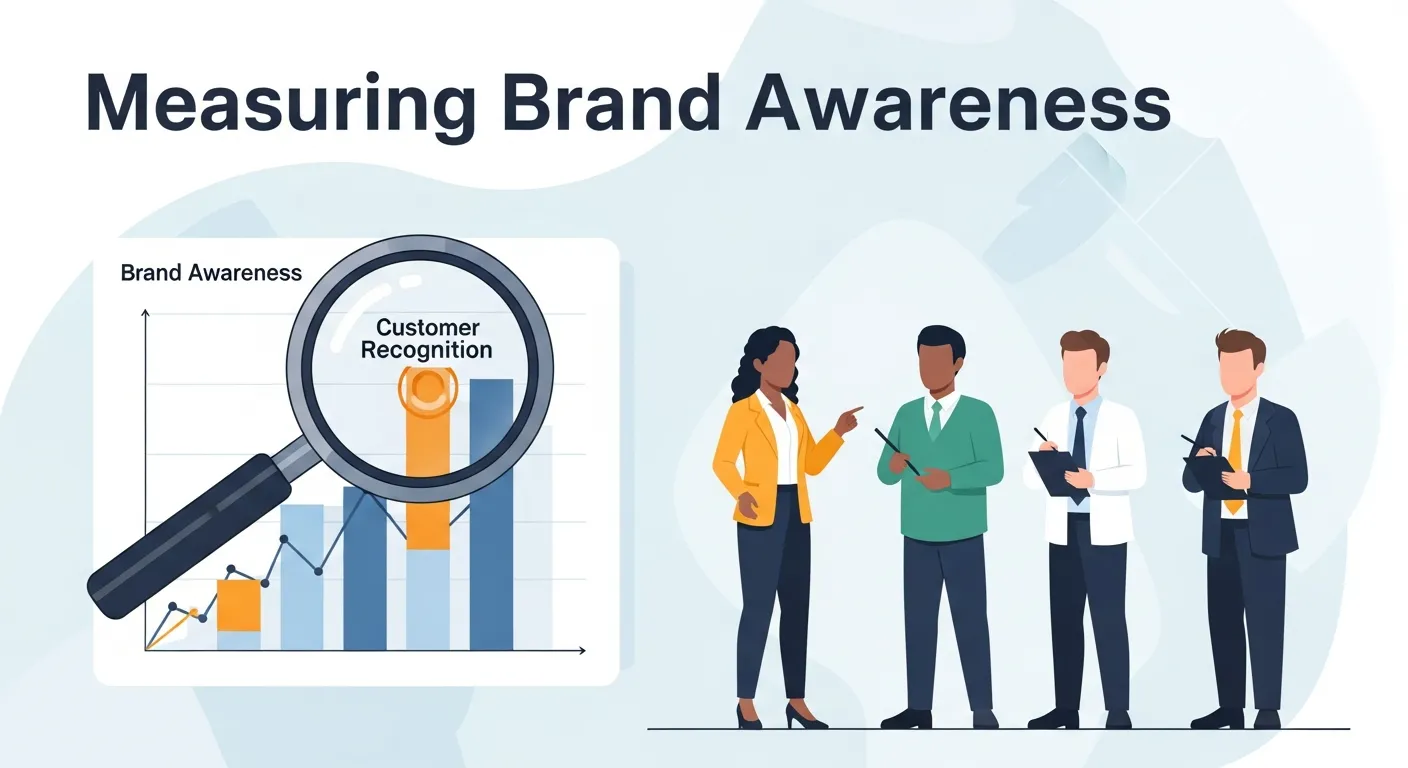
How do you know if your efforts are working? Measuring brand awareness can seem tricky because it is intangible compared to sales or leads. However, combining qualitative and quantitative metrics can give you a reliable picture.
1. Social Media Mentions
Monitor how often people talk about your brand on platforms like Twitter, Instagram, or LinkedIn. This is also known as “Share of Voice.” Are people mentioning you in conversations about your industry?
Tools to use: Platforms like Hootsuite and Brand24 can help you track these mentions and analyze sentiment.
2. Branded Search Volume
Check how often people search for your brand name on search engines. If you see a spike in people typing “Your Brand Name” into Google, it’s a clear indicator that your awareness campaigns are working.
Tools to use: Google Search Console is the gold standard for tracking this data.
3. Website Traffic
An increase in “Direct” website traffic means more people are finding and becoming aware of your brand without needing to click an ad or a search result. They know your URL and are going straight to you.
Tools to use: Google Analytics allows you to segment traffic by source (Direct, Organic, Social, Referral).
4. Survey Your Audience
Sometimes the best way to know is to ask. Ask your audience how they first heard about your business. Marketing surveys can offer valuable insights into your brand’s growing presence. You can measure “Brand Recall” by asking, “When you think of [Product Category], what brands come to mind?”
Brand Awareness Metrics Table
|
Metric |
What It Measures |
Tools Required |
|---|---|---|
|
Direct Traffic |
Users typing your URL directly. |
Google Analytics |
|
Social Share of Voice |
Your mentions vs. competitors. |
Sprout Social, Brandwatch |
|
Branded Search Volume |
Monthly searches for your brand name. |
Google Search Console, SEMrush |
|
Backlinks |
Number of sites linking to you. |
Ahrefs, Moz |
|
Reach/Impressions |
Total number of eyes on your content. |
Social Media Insights |
Case Studies of Successful Brand Awareness Campaigns

Learning from the giants can provide inspiration for businesses of any size.
1. Apple’s “Shot on iPhone” Campaign
Apple’s marketing materials included photos and videos shot by iPhone users in countries around the globe. By featuring average users, Apple underscored the caliber and creative spark associated with its brand. This campaign didn’t focus on technical specs; it focused on the result and the community, massively boosting brand awareness through user participation.
2. Nike’s “Dream Crazy” Campaign
Nike leveraged the emotional resonance of its brand by featuring athlete Colin Kaepernick in a campaign that was very closely aligned with their core values. While controversial, it generated massive global attention and conversations. It proved that emotional branding and taking a stand can skyrocket awareness, even if it alienates some demographics.
3. Coca-Cola’s Personalized Bottles
Coca-Cola nailed customer experience with their “Share a Coke” campaign. By replacing their logo with popular names, they personalized the product and encouraged consumers to “share a Coke” with friends. Mentions on social media soared as people posted photos of bottles with their names. It turned a static product into an interactive experience.
Build Your Brand Awareness Today
There’s more to brand awareness than being seen; it’s about being known, believed in, and ultimately picked. With the right tactics and constant evaluation, you can elevate your brand from obscure to essential.
Now it’s time to apply these tactics. Begin on a small scale, perhaps with a targeted campaign, such as enhancing your social presence or producing one great piece of content. And keep in mind, brand exposure is for the long run, not the quick hit. It requires patience, consistency, and a genuine commitment to adding value to your audience’s lives.
Frequently Asked Questions (FAQs)
1. Is brand awareness the same as brand recognition?
Not exactly. Brand recognition is the ability of a consumer to identify your brand when they see it (like spotting a logo). Brand awareness is broader; it includes recognition but also encompasses recall (remembering the brand name without seeing it) and understanding what the brand stands for.
2. How long does it take to build brand awareness?
It is a marathon, not a sprint. While a viral video might give you a temporary spike, building lasting awareness and brand equity typically takes months or years of consistent marketing effort.
3. Can small businesses build brand awareness with a limited budget?
Absolutely. You don’t need a Super Bowl ad. Focus on local SEO, community engagement, organic social media, and content marketing. Being highly visible to a small, specific niche is often more valuable than being vaguely known by everyone.
4. What role does a logo play in brand awareness?
A logo is a visual anchor. It helps with recognition. However, a logo alone does not create awareness. The logo must be associated with positive experiences, consistent messaging, and quality products to mean anything.
5. How does SEO contribute to brand awareness?
SEO helps you show up when people ask questions related to your industry. Even if they don’t click, seeing your brand name in the search results repeatedly builds familiarity and authority, contributing to awareness building.
6. Is social media essential for brand awareness?
In today’s digital landscape, yes. Social media is where conversations happen. It allows you to humanize your brand, engage directly with customers, and reach new audiences through sharing and algorithms.
7. What is “Brand Recall”?
Brand recall is the ability of a consumer to retrieve your brand name from memory when given a product category or usage situation (e.g., thinking “Kleenex” when you need a tissue). It is a deeper level of awareness than recognition.
8. Can paid ads help with brand awareness?
Yes. Programmatic ads and social media ads are effective for getting immediate visibility. Campaigns specifically optimized for “Reach” or “Impressions” are designed to put your brand in front of as many people as possible.
9. How does consistency affect brand awareness?
Consistency is critical. If your tone, colors, logo, or message changes constantly, consumers cannot form a solid memory of your brand. Consistent branding across all channels makes you recognizable and memorable.
10. What is the difference between brand awareness and lead generation?
Brand awareness focuses on being known and trusted (top of the funnel). Lead generation focuses on capturing contact information from interested prospects (middle/bottom of the funnel). You generally need awareness before you can effectively generate leads.