

This article explains how personal brand statement examples help build a strong professional identity. It guides students, professionals, and entrepreneurs to create clear, impactful statements that improve confidence, visibility, and career opportunities effectively in any field.
In today’s competitive world, personal brand statement examples help you define your professional identity clearly and confidently. They show how to communicate your skills, strengths, and value in a short message. Learning from these examples helps students, professionals, and entrepreneurs stand out and create a strong, memorable impression.
What is a Personal Brand Statement?
A personal brand statement is a short and focused description that defines your professional identity, skills, and value in a clear way. It helps others quickly understand who you are and what you offer. When you explore personal brand statement examples, you will notice they all aim to communicate clarity, purpose, and uniqueness in just a few sentences. This statement is commonly used in resumes, LinkedIn profiles, portfolios, and personal websites to create a strong first impression. It answers three key questions: who you are, what you do, and why it matters. By studying different personal brand statement examples, you can learn how professionals present themselves effectively and build credibility in a simple yet powerful way.
Why Personal Brand Statements Matter
A personal brand statement is important because it helps you communicate your professional value quickly and effectively. In today’s fast-moving digital world, people often form impressions within seconds, and a clear statement ensures you stand out. When reviewing personal brand statement examples, you will see how they are designed to leave a strong and memorable impact. These statements also help maintain consistency across resumes, LinkedIn profiles, and portfolios, making your identity more professional and trustworthy. By analyzing personal brand statement examples, you can understand how clarity, focus, and simplicity improve career opportunities, networking, and personal branding success in competitive industries where first impressions matter greatly.
Key Elements of a Strong Brand Statement
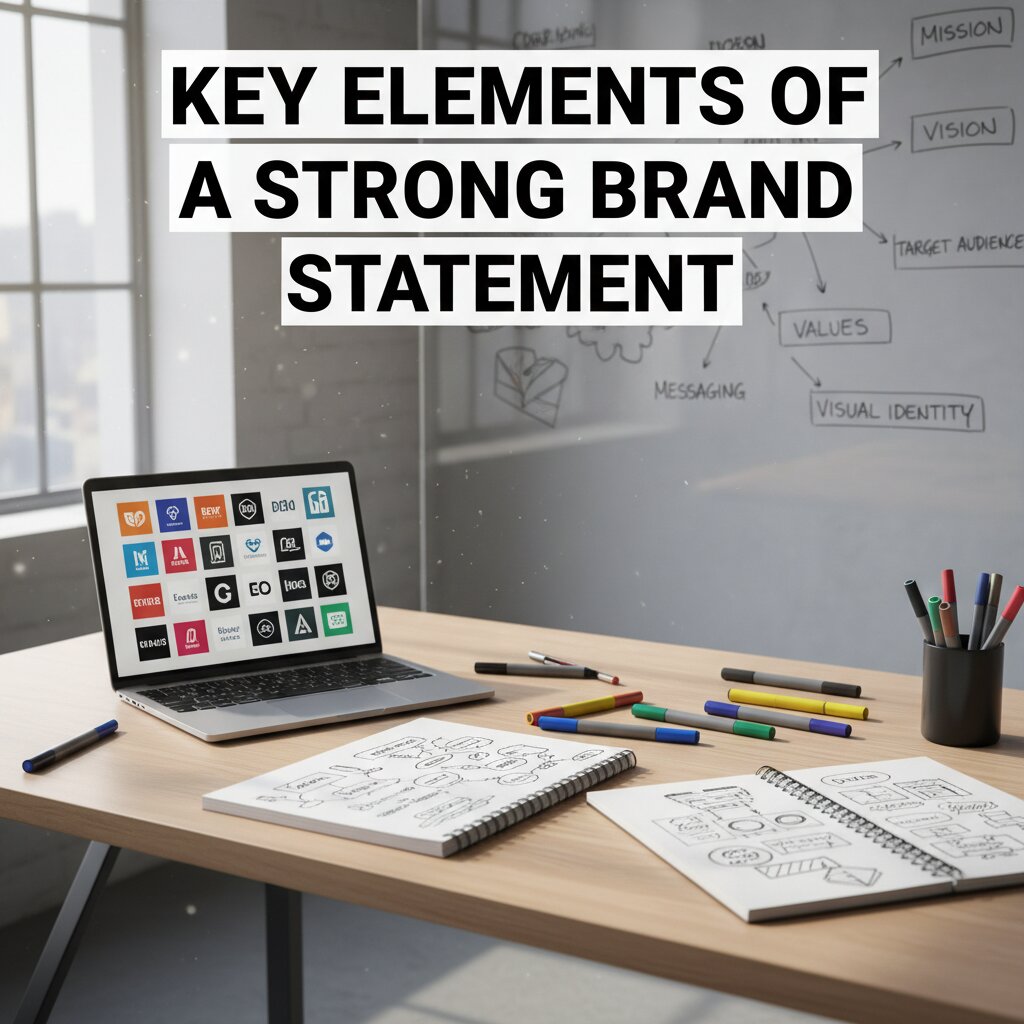 A strong personal brand statement includes three essential elements: your role or profession, your unique strengths, and the value you provide. When studying personal brand statement examples, you will notice that successful statements always follow this clear structure. The goal is to communicate your identity in a simple and impactful way without unnecessary complexity. A good statement should reflect both your skills and personality while staying authentic to your career goals. Many personal brand statement examples demonstrate how combining expertise with purpose creates a powerful message. By focusing on clarity and relevance, you can build a statement that is easy to remember and highly effective in professional environments.
Personal Brand Statement Examples for Students
Students can greatly benefit from learning personal brand statement examples because they help present skills, interests, and potential, even without strong work experience. A student statement might highlight academic focus, career goals, and personal passion. For example, a business student might say they are passionate about marketing strategies and aim to create meaningful brand experiences. By exploring personal brand statement examples, students can learn how to communicate their strengths, coursework, and projects professionally. This helps them stand out when applying for internships, scholarships, or entry-level jobs. A well-written statement shows ambition and direction, helping students build confidence and make a strong impression early in their career journey.
Personal Brand Statement Examples for Professionals
Professionals use personal brand statements to highlight their expertise, experience, and achievements clearly and confidently. Studying personal brand statement examples helps professionals understand how to present themselves effectively in competitive industries. A strong statement often focuses on results, specialization, and problem-solving abilities. For example, a software engineer might describe how they design scalable systems that improve performance and user experience. Many personal brand statement examples emphasize leadership, skills, and measurable impact. A well-crafted statement strengthens resumes, LinkedIn profiles, and networking opportunities by clearly defining professional identity. It also helps professionals build credibility and attract better career opportunities by showcasing their unique value concisely and powerfully.
Personal Brand Statement Examples for Entrepreneurs
 Entrepreneurs need a strong personal brand statement to clearly communicate their vision, mission, and business value. This is where personal brand statement examples become especially helpful. A strong entrepreneurial statement often highlights innovation, purpose, and the problem being solved. For instance, an entrepreneur may focus on helping small businesses grow through digital solutions or creative strategies. By reviewing personal brand statement examples, entrepreneurs can understand how to express their goals in a way that builds trust and attracts clients or investors. These statements help define the brand identity and make communication more powerful and consistent, ultimately supporting business growth and stronger market positioning.
How to Improve Your Personal Brand Statement
Improving your personal brand statement is an ongoing process that helps you stay relevant in your career journey. When you study personal brand statement examples, you will notice that strong statements are always clear, updated, and aligned with current goals. To improve your statement, focus on refining your skills, removing unnecessary words, and making your message more impactful. Feedback from mentors or peers can also help you identify areas for improvement. Regularly reviewing and updating your statement ensures it reflects your growth and achievements. A strong and improved statement builds confidence and helps you present a more professional identity in interviews, resumes, and online platforms.
Key points to improve your statement:
- Keep it short and clear
- Focus on your unique value
- Update it as your skills grow
- Avoid vague or generic words
- Make it aligned with your career goals
| Improvement Area | What to Do | Result |
|---|---|---|
| Clarity | Use simple language | Easy to understand |
| Relevance | Match current goals | Better career alignment |
| Uniqueness | Highlight strengths | Stand out from others |
| Conciseness | Remove extra words | Stronger impact |
How to Write Your Own Brand Statement
Writing your own personal brand statement becomes easier when you study personal brand statement examples and understand their structure. Start by identifying your skills, strengths, and career goals, then combine them into one clear and meaningful sentence. Most personal brand statement examples follow a simple pattern: role, value, and impact. This helps keep the message focused and easy to understand. Your statement should be short, authentic, and aligned with your personal identity. Avoid unnecessary complexity or long sentences. Instead, focus on clarity and relevance. By practicing and refining your message, you can create a strong personal brand statement that effectively represents your professional direction and makes a lasting impression.
Common Mistakes to Avoid
When creating a personal brand statement, many people make mistakes that reduce its impact. One common issue is being too vague or unclear, which weakens the message. Another mistake is making it too long or complicated, which reduces readability. By studying personal brand statement examples, you can clearly see that simplicity and clarity always work best. Another major mistake is copying others instead of creating an authentic message that reflects your own identity. Your statement should be unique to you. Also, avoid overly formal or robotic language, as it can feel unnatural. Learning from personal brand statement examples helps you understand how to create a statement that is clear, authentic, and professional.
Real-Life Uses of Personal Brand Statements
 A personal brand statement is not just for writing—it is actively used in real professional situations to create a strong identity. By exploring personal brand statement examples, you can see how individuals use them in resumes, LinkedIn profiles, interviews, and networking events. These statements help people introduce themselves confidently and leave a lasting impression. In interviews, a strong statement sets the tone for how employers perceive your skills. Online, it builds consistency across your digital presence. Understanding how to apply your statement in real life ensures that your personal brand remains strong and recognizable in different professional environments.
Key real-life uses:
- Resume professional summary
- LinkedIn “About” section
- Job interview introduction
- Portfolio or personal website
- Networking events introduction
| Use Case | Purpose | Benefit |
|---|---|---|
| Resume | Show skills quickly | Better job chances |
| Build online identity | Professional visibility | |
| Interview | Self-introduction | Strong first impression |
| Portfolio | Show expertise | Credibility boost |
Benefits of a Strong Personal Brand Statement
A strong personal brand statement offers many benefits, including better data communication, increased confidence, and a stronger professional identity. When analyzing personal brand statement examples, you can see how they help individuals stand out in competitive job markets. A clear statement improves resumes, LinkedIn profiles, and networking conversations by making your value easy to understand. It also helps attract better career opportunities and professional connections. By studying personal brand statement examples, you learn how to create consistency across your personal and professional platforms. Ultimately, a strong statement builds trust, enhances visibility, and supports long-term career growth by clearly defining who you are and what you bring to the table in any professional setting.
Conclusion
A strong personal brand statement is a powerful tool for shaping how others perceive your professional identity. By studying personal brand statement examples, you can clearly understand how to communicate your skills, values, and goals in a simple and impactful way. Whether you are a student, professional, or entrepreneur, a well-crafted statement helps you stand out and build credibility. It improves confidence, strengthens your online presence, and attracts better opportunities. Keep your message clear, authentic, and focused to create a lasting impression that supports long-term career growth and success.
Frequently Asked Questions
1. What is a personal brand statement?
A personal brand statement is a short description that defines your professional identity, skills, and value. It helps others quickly understand who you are and what you do. Reviewing personal brand statement examples makes it easier to create your own clear and impactful message.
2. Why are personal brand statement examples important?
They are important because they show how professionals communicate their identity clearly and effectively. Studying personal brand statement examples helps you learn structure, tone, and clarity, making it easier to create a strong statement that stands out in resumes and online profiles.
3. Where can I use a personal brand statement?
You can use it in resumes, LinkedIn profiles, personal websites, portfolios, and networking introductions. Personal brand statement examples show how this short message helps create a strong first impression and communicates your value quickly in professional and academic settings.
4. How long should a personal brand statement be?
A personal brand statement should be short, usually one to three sentences. The goal is clarity and impact. Looking at personal brand statement examples helps you understand how to keep it concise while still communicating your strengths and professional identity effectively.
5. What makes a strong personal brand statement?
A strong statement is clear, authentic, and focused on your digital skills and value. By studying personal brand statement examples, you can learn how professionals combine role, strengths, and purpose into a simple message that creates a strong and memorable impression.
6. Can students create personal brand statements?
Yes, students can easily create them even without work experience. Personal brand statement examples help students highlight their skills, academic background, and career goals, allowing them to present themselves professionally when applying for internships, scholarships, or entry-level opportunities.
7. How do I write my own personal brand statement?
Start by identifying your skills, strengths, and goals, then combine them into a clear sentence. Reviewing personal brand statement examples helps you understand structure and wording, making it easier to create a simple, authentic, and effective personal brand message.
8. What mistakes should I avoid?
Avoid being vague, too long, or copying others. A personal brand statement must be original and clear. Personal brand statement examples show that simplicity, authenticity, and focus are key to creating a powerful message that represents your true professional identity.
9. Do employers care about personal brand statements?
Yes, employers value them because they quickly show your skills and value. Studying personal brand statement examples helps you understand what recruiters look for, making your resume and LinkedIn profile more attractive and professional in competitive job markets.
10. Can I change my personal brand statement later?
Yes, you can update it anytime as your skills, experience, and goals grow. Reviewing personal brand statement examples over time helps you refine your message so it always reflects your current professional identity and career direction effectively.


[…] you different and why people should remember you. One useful way to define this is through a strong personal brand statement, which can summarize your expertise, audience, and unique […]