The neuroscience of branding helps businesses understand consumer emotions, memory, and decision-making. By applying brain science, brands can create engaging experiences, build trust, improve recall, and strengthen customer relationships, leading to long-term growth and competitive advantage.
The neuroscience of branding explores how brain science influences consumer perception, emotions, and decision-making. By understanding how people respond to brand elements, businesses can create more engaging and memorable experiences. The neuroscience of branding helps marketers design strategies that connect emotionally, improve brand recall, and build lasting relationships, giving brands a competitive edge in today’s fast-evolving digital marketplace.
Understanding the Neuroscience of Branding
The neuroscience of branding focuses on how the human brain reacts to brand elements such as logos, colors, and messaging. It studies cognitive and emotional responses to marketing stimuli. When customers interact with a brand, their brains process information subconsciously before making decisions. This is why emotional appeal often outweighs logic in purchasing behavior. The neuroscience of branding reveals that people rely heavily on memory and emotions when choosing brands. By understanding these patterns, marketers can design experiences that align with consumer psychology. It helps brands build trust and familiarity, which are crucial for loyalty. Incorporating neuroscience insights allows companies to create stronger emotional connections and influence customer choices more effectively in competitive markets.
The Role of Emotions in Brand Decision-Making
Emotions play a critical role in how consumers perceive and interact with brands. The neuroscience of branding shows that emotional responses drive most purchasing decisions, often more than rational thinking. When a brand triggers positive emotions, it creates a lasting impression in the consumer’s mind. This emotional connection enhances brand recall and loyalty. Marketers use storytelling, visuals, and messaging to evoke feelings such as happiness, trust, or excitement. The neuroscience of branding highlights that emotionally engaged customers are more likely to become repeat buyers. By focusing on emotional branding strategies, businesses can strengthen relationships with their audience. This approach ensures that brands are not just seen but also felt, making them more memorable and impactful.
Neuromarketing Techniques to Strengthen Brand
 Neuromarketing techniques are essential tools within the neuroscience of branding framework. These techniques analyze brain activity to understand how consumers respond to marketing efforts. Eye-tracking, EEG scans, and facial coding are commonly used to measure engagement and emotional reactions. The neuroscience of branding uses these insights to refine advertising strategies and improve user experiences. For example, brands can test which visuals attract more attention or which messages trigger positive emotions. This data-driven approach helps businesses optimize campaigns for better results. By applying neuromarketing techniques to strengthen brand identity, companies can create more effective and personalized experiences. Ultimately, these methods enable brands to connect with consumers on a deeper psychological level.
Read more about this topic: Neuromarketing Techniques to Strengthen Brand
The Impact of Memory on Brand Recall
Memory is a key factor in brand recognition and loyalty. The neuroscience of branding emphasizes that consumers are more likely to choose brands they remember easily. Repetition, consistency, and emotional experiences help strengthen memory connections. When a brand consistently delivers positive experiences, it becomes embedded in the consumer’s mind. The neuroscience of branding shows that storytelling and unique visuals enhance memory retention. Brands that create memorable experiences can stand out in crowded markets. By focusing on memory-driven strategies, businesses can improve brand recall and influence purchasing decisions. This approach ensures that customers think of a brand first when they need a product or service, giving companies a competitive advantage.
AI Sensory Branding and Consumer Experience
 AI sensory branding is an emerging trend that combines technology with the neuroscience of branding. It uses artificial intelligence to create personalized sensory experiences, including visuals, sounds, and even scents. These sensory elements influence how consumers perceive a brand. The neuroscience of branding explains that multi-sensory experiences engage different parts of the brain, making interactions more memorable. AI helps brands analyze customer preferences and tailor experiences accordingly. For example, personalized recommendations or adaptive website designs enhance user engagement. By integrating AI sensory branding, businesses can deliver unique and immersive experiences. This approach not only improves customer satisfaction but also strengthens emotional connections, making brands more impactful and memorable.
The 5 Models of Brand Management in Neuroscience
The 5 models of brand management can be enhanced using the neuroscience of branding. These models typically include brand identity, positioning, equity, experience, and loyalty. Neuroscience helps optimize each of these elements by understanding how consumers perceive and interact with brands. The neuroscience of branding reveals how brain responses influence brand perception and decision-making. By applying these insights, businesses can create more effective brand strategies. For example, consistent messaging strengthens brand identity, while emotional engagement boosts loyalty. The integration of neuroscience into brand management ensures that strategies are aligned with consumer psychology. This results in stronger brand relationships and improved long-term success in competitive markets.
Applying Neuroscience of Branding in Digital Marketing
The neuroscience of branding plays a crucial role in modern digital marketing strategies. As consumers interact with brands across websites, social media, and mobile apps, understanding brain behavior becomes essential. By applying the neuroscience of branding, marketers can design user experiences that capture attention, trigger emotions, and guide decision-making. Personalized content, intuitive design, and emotional storytelling are key elements that enhance engagement. This approach ensures that digital interactions are not only functional but also meaningful and memorable. Brands that integrate neuroscience into their digital marketing efforts can significantly improve conversion rates, customer satisfaction, and long-term loyalty.
Key Points
- Personalization enhances emotional engagement
- Visual hierarchy improves user attention
- Storytelling strengthens brand connection
- Simple design reduces cognitive load
- Consistency builds trust across platforms
| Element | Brain Response | Branding Impact |
|---|---|---|
| Personalized Content | Increases emotional bond | Higher engagement |
| Visual Design | Faster processing | Strong first impression |
| Storytelling | Activates memory | Better brand recall |
| UX/UI Simplicity | Reduces mental effort | Improved user experience |
| Consistent Messaging | Builds familiarity | Increased trust and loyalty |
Visual Branding and Brain Response
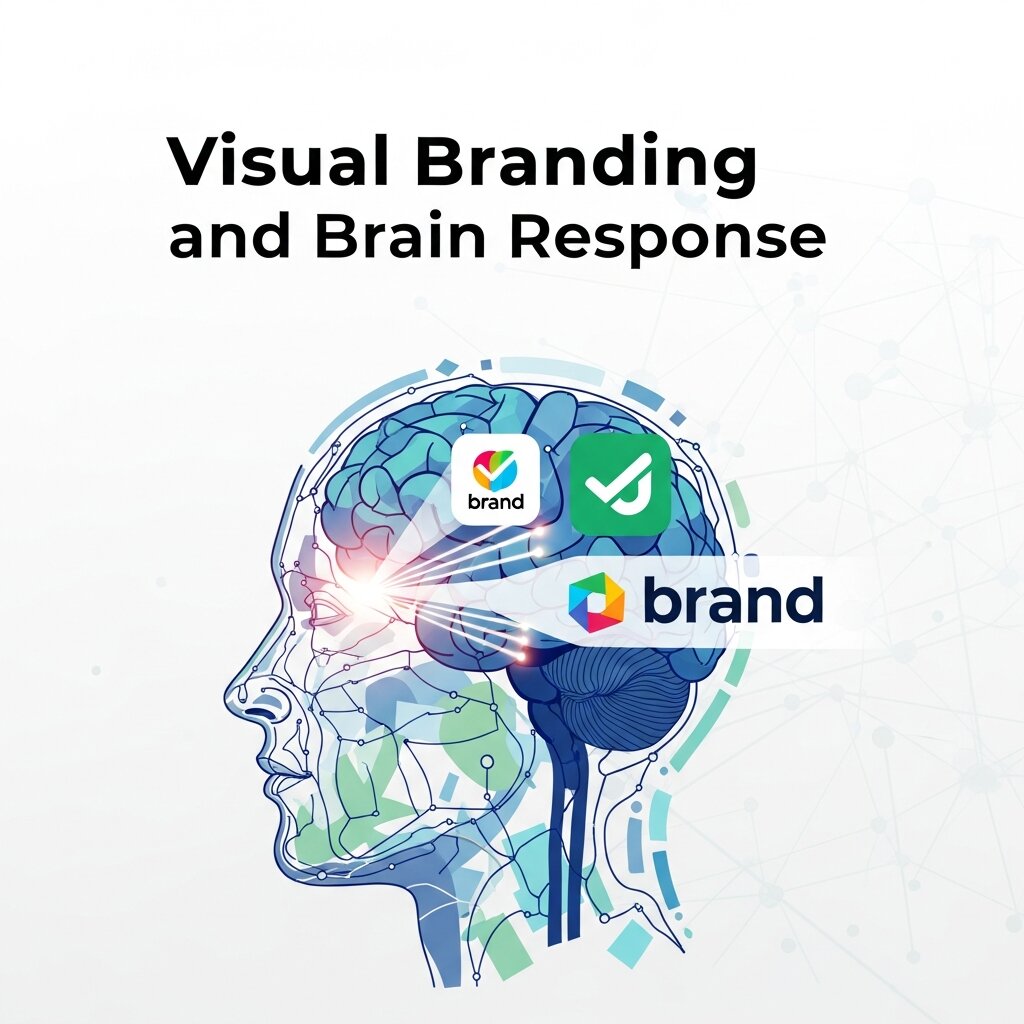 Visual elements are among the most powerful tools in the neuroscience of branding. Colors, typography, and design influence how consumers perceive a brand. The brain processes visuals faster than text, making them crucial for first impressions. The neuroscience of branding shows that certain colors evoke specific emotions, such as trust, excitement, or calmness. By choosing the right visual elements, brands can shape customer perceptions and create a strong identity. Consistent visual branding also enhances recognition and trust. This approach ensures that customers can easily identify a brand across different platforms. By leveraging visual neuroscience, businesses can create impactful designs that resonate with their audience and strengthen their overall brand presence.
Building Trust Through Neuroscience
Trust is a fundamental component of successful branding. The neuroscience of branding highlights that trust is built through consistent and positive experiences. When customers feel secure and valued, they are more likely to remain loyal to a brand. Transparency, authenticity, and reliability play key roles in building trust. The neuroscience of branding shows that the brain responds positively to familiar and consistent brand interactions. By maintaining a clear and consistent message, businesses can strengthen customer confidence. Emotional connections also contribute to trust, making customers feel more connected to the brand. This approach not only improves customer retention but also encourages word-of-mouth marketing and long-term brand success.
Challenges and Ethical Considerations in Neuroscience of Branding
While the neuroscience of branding offers powerful advantages, it also raises important ethical concerns. Using brain science to influence consumer behavior must be done responsibly. Transparency, consent, and respect for consumer privacy are essential when applying neuroscience techniques. The neuroscience of branding should not manipulate or exploit users but instead enhance their experience. Brands must balance innovation with ethical responsibility to maintain trust. Additionally, implementing neuroscience strategies can be complex and costly, requiring specialized tools and expertise. By addressing these challenges, businesses can use neuroscience effectively while maintaining credibility and long-term customer relationships.
Key Points
- Ethical use of consumer data is essential
- Transparency builds customer trust
- Avoid manipulation or exploitation
- High implementation costs can be a barrier
- Requires skilled professionals and tools
| Challenge | Impact on Brand | Possible Solution |
|---|---|---|
| Privacy Concerns | Loss of trust | Ensure data transparency |
| Ethical Issues | Negative brand perception | Follow ethical guidelines |
| High Costs | Limited adoption | Start with basic strategies |
| Technical Complexity | Implementation difficulty | Hire experts or train teams |
| Misuse of Data | Customer dissatisfaction | Use data responsibly |
Future Trends in the Neuroscience of Branding
The future of the neuroscience of branding is shaped by technological advancements and evolving consumer expectations. Innovations such as AI, virtual reality, and data analytics are transforming how brands interact with customers. The neuroscience of branding will continue to play a crucial role in creating personalized and immersive experiences. As consumers demand more relevant and engaging interactions, brands must adapt their strategies. Understanding brain behavior will help businesses stay ahead of trends and deliver better experiences. The integration of neuroscience with emerging technologies will open new opportunities for innovation. By embracing these trends, companies can build stronger connections with their audience and remain competitive in a rapidly changing market.
Conclusion
The neuroscience of branding provides powerful insights into how consumers think, feel, and make decisions. By combining emotional triggers, memory strategies, and sensory experiences, brands can create deeper connections with their audience. The neuroscience of branding helps businesses design more meaningful and memorable interactions that drive loyalty and trust. As technology evolves, integrating these principles will become even more important. Brands that embrace the neuroscience of branding can stand out, influence behavior effectively, and build long-term success in an increasingly competitive marketplace.
Frequently Asked Questions
1: What is the neuroscience of branding?
The neuroscience of branding studies how the human brain responds to brand elements like visuals, messaging, and experiences. It helps marketers understand consumer behavior, emotions, and decision-making processes to create stronger, more memorable brand connections and influence purchasing decisions effectively.
2: Why is the neuroscience of branding important?
The neuroscience of branding is important because it reveals how emotions and subconscious thoughts influence buying decisions. By understanding these processes, brands can create more engaging strategies, improve customer experiences, and build lasting relationships that drive loyalty and long-term business success.
3: How does neuroscience influence consumer behavior?
Neuroscience influences consumer behavior by analyzing how the brain processes information, emotions, and stimuli. The neuroscience of branding helps identify triggers that affect decision-making, enabling brands to design marketing strategies that align with natural human responses and improve engagement.
4: What are neuromarketing techniques?
Neuromarketing techniques include tools like eye-tracking, EEG, and facial recognition to study consumer reactions. Within the neuroscience of branding, these techniques help businesses measure attention, emotions, and engagement, allowing them to optimize campaigns and create more effective brand experiences.
5: How does emotion impact branding?
Emotion plays a major role in branding because people often make decisions based on feelings rather than logic. The neuroscience of branding shows that emotional connections increase brand recall, trust, and loyalty, making it essential for businesses to create emotionally engaging experiences.
6: What is AI sensory branding?
AI sensory branding uses artificial intelligence to create personalized experiences through visuals, sounds, and other sensory elements. In the neuroscience of branding, this approach enhances engagement by stimulating multiple senses, making brand interactions more immersive, memorable, and impactful for consumers.
7: How can brands improve memory recall?
Brands can improve memory recall by using consistent messaging, storytelling, and emotional engagement. The neuroscience of branding highlights that repetition and meaningful experiences strengthen memory, helping consumers remember brands easily and choose them when making purchasing decisions.
8: What role does visual branding play in neuroscience?
Visual branding plays a crucial role in how the brain processes information quickly. The neuroscience of branding shows that colors, design, and typography influence emotions and perceptions, helping brands create strong first impressions and improve recognition across different platforms and channels.
9: How does trust relate to the neuroscience of branding?
Trust is built through consistent and positive brand experiences. The neuroscience of branding explains that the brain responds to familiarity and reliability, making transparency and authenticity essential for building long-term relationships and encouraging customer loyalty and repeat business.
10: What are future trends in the neuroscience of branding?
Future trends in the neuroscience of branding include AI, virtual reality, and advanced data analytics. These technologies will enable more personalized and immersive experiences, helping brands better understand consumer behavior and create innovative strategies that enhance engagement and competitive advantage.