Branding in marketing shapes how people see, feel, and connect with a business, blending visuals, values, voice, and experience into one powerful, memorable identity.
Branding in marketing combines strategy, design, voice, and experience to build recognition, trust, and loyalty. Strong branding differentiates businesses, supports emotional connection, drives growth, and ensures consistency across digital, social, and physical customer touchpoints.
Understanding Branding and Why It Matters
At its most basic level, branding is about shaping customer perceptions of your business. This includes physical elements such as your logo, color scheme, and tagline, as well as intangible factors like your brand’s values, voice, and personality. In the broader context of Branding in Marketing, these elements work together to influence how audiences think, feel, and act when they encounter your business—whether on a website, social media platform, store shelf, or customer support channel.
In modern digital marketing, branding goes beyond visuals. It touches storytelling, emotional connection, customer experience, and even emerging areas like AI branding, influencer marketing, and metaverse branding. Strong branding ensures that every interaction—online or offline—feels consistent, intentional, and meaningful.
Why Branding in Marketing Is So Important
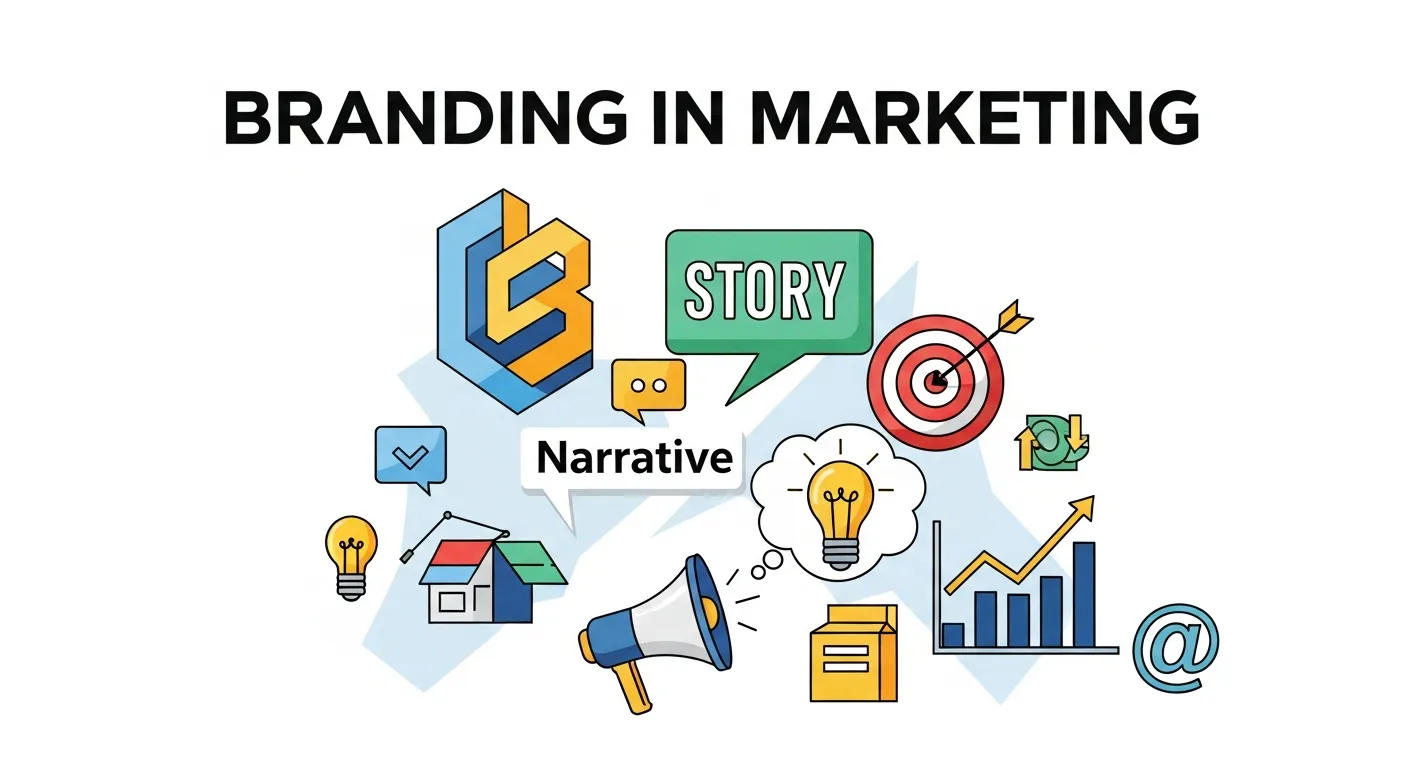
Branding in Marketing plays a strategic role in how businesses compete, grow, and remain relevant. It influences not only awareness but also trust, loyalty, and long-term market share.
Key Benefits of Strong Branding
Differentiates You From Competitors
In crowded industries like clothing marketing, SaaS, or eCommerce, branding helps customers instantly recognize and remember you.
Builds Trust and Loyalty
A consistent brand voice and visual identity build credibility. According to research frequently cited by platforms like Backlinko and SEMrush, recognizable brands convert better because people trust what they know.
Communicates Value Clearly
Branding highlights your unique promise—whether that’s sustainability (green marketing), innovation (AI branding), or community (creator marketing).
Drives Revenue and Market Share
Edelman reports that 59% of consumers prefer buying from brands they trust. Strong branding increases repeat purchases, referrals, and long-term growth.
Supports Crisis and Growth
With clear brand resilience strategies and brand crisis management plans, businesses can protect their reputation even during public challenges.
Core Elements of Branding in Marketing
Successful branding combines strategy, psychology, and creativity. These elements work together to create emotional branding and long-lasting brand awareness.
Essential Branding Components
Brand Identity
Logo, typography, color psychology, and visual style.
Brand Voice
Tone and language used across platforms like websites, Instagram, TikTok, and email.
Brand Storytelling
Sharing your mission, journey, and values in a way people emotionally connect with.
Customer Experience
Every interaction—from packaging to support—reinforces your brand.
Sensory and Emotional Branding
Using sound, visuals, language, and feelings to create memory and loyalty.
Digital and Social Branding
Includes SMM, influencer marketing, TikTok marketing, creator marketing, and brand promotion campaigns.
How Branding Supports Marketing Channels
| Marketing Area | Role of Branding in Marketing |
|---|---|
| Digital Marketing | Builds consistency across ads, websites, and email campaigns |
| Social Media (SMM) | Creates a recognizable style on Instagram, TikTok, and YouTube |
| Influencer Marketing | Ensures creators match your brand voice and values |
| Sponsorship & Partnerships | Aligns your brand with the right events, creators, or causes |
| E-commerce & Amazon | Supports trust using guides like the Amazon Brand Promotion Guide |
| Global Branding | Maintains identity while adapting to local geo and culture |
Branding Strategies That Work Today
Modern Branding in Marketing is dynamic. It blends psychology, technology, and storytelling.
High-Impact Brand Strategies
Emotional Branding:
Connect through values, lifestyle, and shared beliefs.
Brand Archetypes:
Position your brand as a Hero, Explorer, Caregiver, Rebel, etc.
Neuromarketing:
Use color psychology, layout, and language to influence decisions.
Brand Sustainability:
Show responsibility through green marketing and ethical practices.
Gamified Branding:
Engage users through quizzes, rewards, and interactive experiences.
Metaverse and Reality Branding:
Prepare for immersive brand experiences in virtual environments.
Branding in Marketing and Long-Term Growth
Strong branding is not a one-time project—it’s an ongoing strategy. It supports:
- Higher brand awareness
- Stronger customer loyalty
- Better customer experience
- Greater market share
- Higher conversion rates
- Improved brand promotion across channels
Whether you’re launching a startup, building personal branding, or scaling a global brand, Branding in Marketing will define how people see you, trust you, and choose you—again and again.
Core Elements of Branding in Marketing

In Branding in Marketing, core brand elements define how your business looks, feels, and connects with people. These elements work together to shape perception, build trust, and drive brand awareness across digital marketing channels, social media, advertising, and customer experience touchpoints. When brand identity, values, and personality are aligned, your brand becomes recognizable, relatable, and resilient—even in competitive or crisis situations.
1. Brand Identity
Brand identity is the visual and tangible representation of your brand. It’s what customers see, hear, and instantly recognize across websites, social media, packaging, and advertising.
Key Components of Brand Identity
- Logo:The face of your business that appears on everything from websites to clothing marketing labels.
- Typography:Fonts that express your tone—modern, classic, playful, premium, or bold.
- Color Palette:Carefully selected using color psychology to trigger emotions
- Red = energy, passion
- Blue = trust, security
- Green = growth, sustainability
- Imagery:
Photography, illustrations, and graphics that match your brand storytelling style.
In Branding in Marketing, strong identity supports:
- Higher brand awareness
- Stronger emotional branding
- Better performance in digital marketing and SMM campaigns
Example: Apple’s minimalist logo and clean design communicate innovation, simplicity, and sophistication—making it a powerful global brand.
2. Brand Values
Brand values are what your business stands for. They guide decisions, culture, communication, and customer relationships. In Branding in Marketing, values are essential for building trust and long-term loyalty.
Why Brand Values Matter
- Attract customers who share your beliefs
- Support green marketing and brand sustainability
- Strengthen emotional branding
- Build credibility during brand crisis management
- Improve employee alignment and motivation
Example: Patagonia’s environmental commitment has created a loyal following by combining brand sustainability with high-quality products.
Values also support:
- Brand resilience strategies
- Ethical marketing
- Stronger customer experience
3. Brand Personality
Brand personality is the human-like character of your brand. It defines how your brand “behaves” when communicating.
Is your brand:
- Serious or playful?
- Premium or accessible?
- Friendly or authoritative?
In Branding in Marketing, personality shapes:
- Brand voice
- Voice branding
- Social media tone (Instagram, TikTok, SMM)
- Influencer marketing and creator marketing partnerships
Common Brand Personality Styles
- Bold and rebellious
- Friendly and helpful
- Luxurious and refined
- Fun and humorous
Example: Wendy’s uses humor and sass on social media, making the brand relatable and highly shareable—boosting brand promotion and engagement.
How Core Branding Elements Work Together
| Branding Element | Role in Branding in Marketing | Business Impact |
|---|---|---|
| Brand Identity | Visual recognition and consistency | Strong brand awareness, recall |
| Brand Values | Emotional and ethical connection | Trust, loyalty, resilience |
| Brand Personality | Tone, voice, and communication style | Engagement, relatability, shareability |
| Brand Voice | Language used across channels | Clear messaging and positioning |
| Customer Experience | How people feel interacting with your brand | Loyalty, advocacy, market share growth |
Branding in Marketing Across Channels
Strong branding supports performance across:
- Digital Marketing:
Websites, email, paid ads, SEO - Social Media (SMM):
Instagram, TikTok, YouTube, LinkedIn - Influencer & Creator Marketing:
Matching creators with your brand voice - Sponsorship & Partnerships:
Branding and sponsorship alignment - E-commerce & Marketplaces:
Following frameworks like the Amazon Brand Promotion Guide - Future Branding:
AI branding, metaverse branding, reality branding, and gamified branding
Strategic Benefits of Strong Core Branding
When your identity, values, and personality are aligned in Branding in Marketing, you gain:
- Stronger brand awareness
- Better emotional connection
- Higher customer trust
- Improved customer experience
- Increased market share
- Stronger brand promotion
- Better performance in influencer marketing and digital marketing
How to Develop a Branding Strategy in Marketing
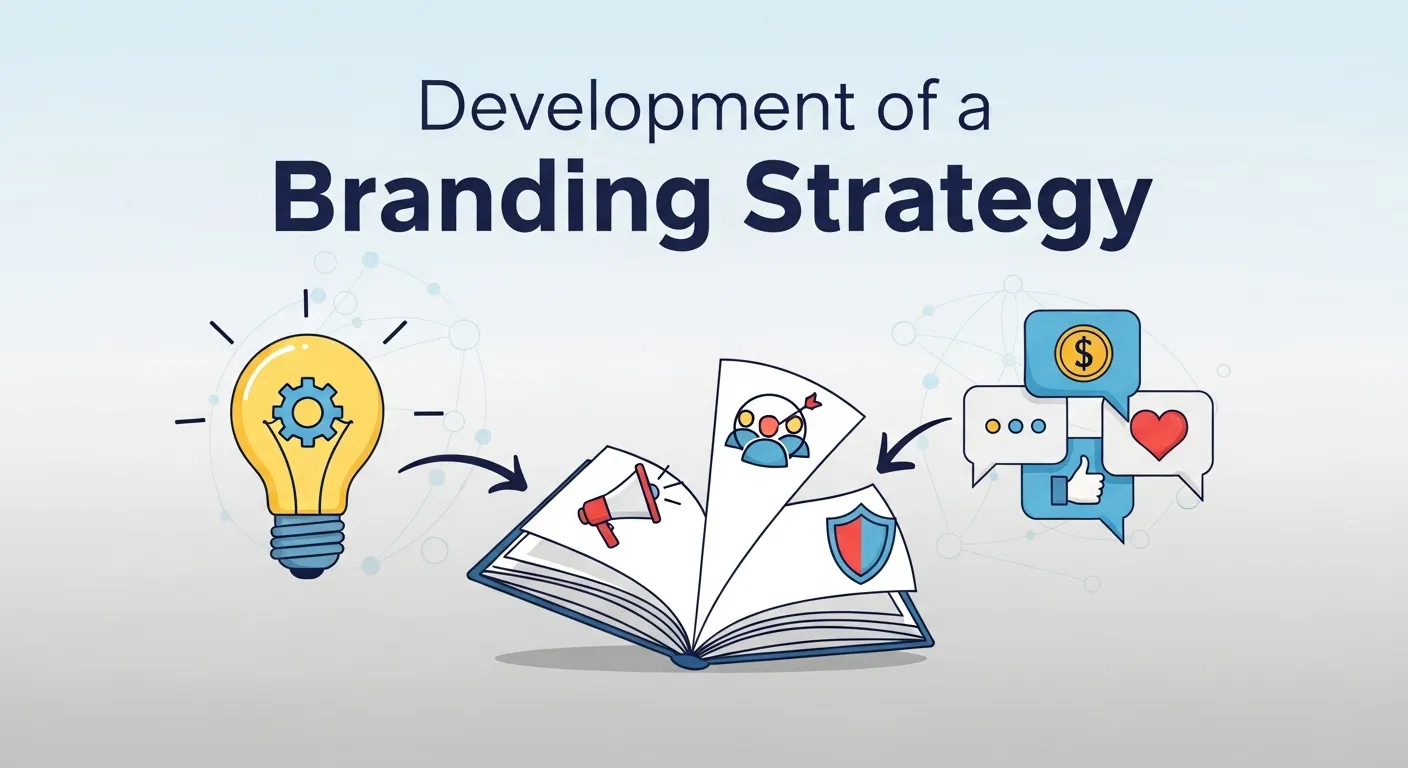
A strong brand doesn’t happen by accident—it’s built through a clear, intentional strategy. In Branding in Marketing, your strategy acts as a roadmap that guides how your brand looks, sounds, and connects with people across digital marketing, social media, advertising, and customer experience. When done right, a branding strategy increases brand awareness, builds emotional branding, and supports long-term market share growth.
Step 1: Define Your Brand Purpose
Why does your business exist—and why should people care?
Your brand purpose is the foundation of Branding in Marketing. It shapes your mission, vision, and long-term direction.
What to Define
- Mission: What you do and who you serve
- Vision: What future you are working toward
- Impact: How you improve lives, industries, or communities
A strong purpose supports:
- Brand storytelling
- Emotional branding
- Brand sustainability and green marketing
Brands with a clear purpose tend to build deeper loyalty and stronger customer experience.
Step 2: Know Your Target Audience
You can’t build effective branding in marketing without understanding who you’re talking to.
Research Your Audience
- Demographics (age, location, income, job role)
- Psychographics (values, beliefs, motivations)
- Behavior (buying habits, platforms used like Instagram or TikTok)
- Pain points and aspirations
Use tools such as:
- Surveys and interviews
- Website data from Google Analytics
- Search behavior from Google Search Console
Understanding your audience improves:
- Brand awareness
- Personal branding strategies
- Influence marketing and creator marketing alignment
Step 3: Conduct a Competitive Analysis
Study competitors to identify what works—and what doesn’t.
In Branding in Marketing, competitive research helps you differentiate instead of copying.
Analyze Competitors By:
- Visual identity and brand voice
- Brand strategies and positioning
- Social media presence (SMM, TikTok, Instagram)
- Influencer marketing and sponsorship activity
- Strengths, weaknesses, and gaps
Use SEO tools like:
This step also supports:
Step 4: Create Your Brand Messaging
Your brand message explains why people should choose you.
In Branding in Marketing, messaging must be clear, emotional, and memorable.
Core Messaging Elements
- Unique Value Proposition (UVP)
- Brand promise
- Brand story
- Key audience benefits
Strong messaging supports:
- Emotional branding
- Brand storytelling
- Voice branding
- Influencer and creator marketing
Your message should be consistent across websites, ads, email, and social platforms.
Step 5: Design Your Visual Identity
Your visuals are often the first impression of your brand.
Visual Branding Includes
- Logo design
- Typography
- Color palette using color psychology
- Imagery and layout style
In branding in marketing, visuals must support:
- Brand awareness
- Trust and recognition
- Sensory branding and emotional response
Design should work across:
- Websites
- Social media
- Clothing marketing and packaging
- Ads and brand promotion
Step 6: Develop a Brand Voice
Your brand voice is how you “sound” to the world.
Define Your Voice
Is your brand:
- Friendly or formal?
- Bold or calm?
- Playful or professional?
Your brand voice must be consistent across:
- Website content
- Social media (Instagram, TikTok, SMM)
- Influencer marketing
- Customer service
Strong voice branding builds:
- Trust
- Relatability
- Emotional connection
How the Branding Strategy Comes Together
| Strategy Step | Role in Branding in Marketing | Business Benefit |
|---|---|---|
| Brand Purpose | Defines why you exist | Trust, loyalty, emotional branding |
| Target Audience | Defines who you serve | Higher relevance and engagement |
| Competitive Analysis | Shows where to stand out | Differentiation, brand awareness |
| Brand Messaging | Explains your value | Conversions, loyalty |
| Visual Identity | Makes you recognizable | Recall, trust, promotion |
| Brand Voice | Shapes communication | Connection, consistency |
Branding Strategy in the Digital Age
Modern Branding in Marketing also includes:
- Digital marketing alignment
- SMM and content strategy
- Influencer and creator marketing
- AI branding tools
- Gamified branding experiences
- Metaverse and reality branding
- Geo-targeted brand promotion
Strong branding supports growth whether you’re building a local business, a global brand, or personal branding.
Bringing Your Brand to Life Across Channels

A Practical Guide to Branding in Marketing
Once you’ve defined your brand strategy, the real work begins: activating it consistently across every touchpoint. Effective Branding in Marketing ensures that your audience experiences the same values, voice, and visual identity—whether they’re visiting your website, scrolling Instagram, opening an email, or walking into your store. Consistency builds trust, boosts brand awareness, and strengthens long-term customer experience.
Online Presence: Where Branding in Marketing Starts
Your digital footprint is often the first interaction people have with your brand. Every platform should tell the same story—just in different formats.
Website
Your website is your brand’s headquarters. It should reflect your brand voice, color psychology, and visual identity through:
- Logo placement and consistent brand colors
- Clear brand storytelling on your homepage and “About” page
- UX design that supports emotional branding and trust
Social Media (SMM)
Choose platforms that match your audience and goals:
- Use Instagram and TikTok for visual, creator marketing and influence marketing
- Maintain consistent tone, captions, and visual style
- Apply brand archetypes to shape personality (e.g., Hero, Creator, Explorer)
Email Marketing
- Match your website’s design and brand voice
- Use storytelling, not just sales
- Personalize content to strengthen emotional branding
Offline Branding: Turning Strategy Into Experience

Branding in Marketing isn’t only digital—it’s physical and sensory too.
Offline branding includes:
- Store layout and atmosphere (sensory branding)
- Packaging design and materials (brand sustainability, green marketing)
- Staff behavior and tone (voice branding in real life)
Starbucks is a classic example: from aroma to music to cup design, every detail supports a consistent brand reality.
Partnerships, Influence & Brand Promotion
Collaborations are powerful brand accelerators when values align.
Branding and Sponsorship Opportunities:
- Partner with brands that share your mission
- Use influencer marketing and creator marketing to reach new audiences
- Leverage brand promotion through events, sponsorship, and digital marketing campaigns
This is especially effective for niches like clothing marketing, lifestyle brands, and personal branding.
Measuring Branding Success in Marketing
You can’t manage what you don’t measure. Strong Branding in Marketing is tracked through meaningful KPIs.
Key Branding Metrics to Track
- Brand Awareness: Website traffic, social growth, mentions
- Engagement: Likes, shares, comments, saves
- Customer Loyalty: Repeat purchases, testimonials
- Market Share: Growth compared to competitors
- NPS (Net Promoter Score): Likelihood of recommendations
- Customer Experience: Reviews, support feedback
Branding in Marketing: Channel Strategy Table
| Channel | Branding Tactic | KPI to Track |
|---|---|---|
| Website | Visual identity, storytelling | Bounce rate, conversions |
| Consistent visuals, creator marketing | Engagement, followers | |
| TikTok | Short-form storytelling, trends | Views, shares |
| Email Marketing | Brand voice, personalization | Open & click rates |
| In-Store/Offline | Sensory branding, customer experience | Reviews, repeat visits |
| Partnerships | Sponsorship, influencer marketing | Reach, referrals |
Building a Brand That Lasts
Good branding is more than visuals—it’s strategy, emotion, and consistency. Branding in Marketing is the foundation that supports trust, loyalty, and growth. A strong brand:
- Communicates your values
- Builds emotional connections
- Creates brand resilience strategies for long-term success
Whether you’re refining your logo, improving customer experience, exploring AI branding, or expanding into global brand markets, every branding decision shapes how people remember you.
Branding is not a one-time task—it’s a living system that grows with your business.
Conclusion
Branding in marketing is not just about logos or colors—it is about creating meaning, trust, and emotional connection. When identity, values, and voice align, brands become memorable and resilient. Consistent branding across every channel builds loyalty, strengthens reputation, and supports long-term business growth.