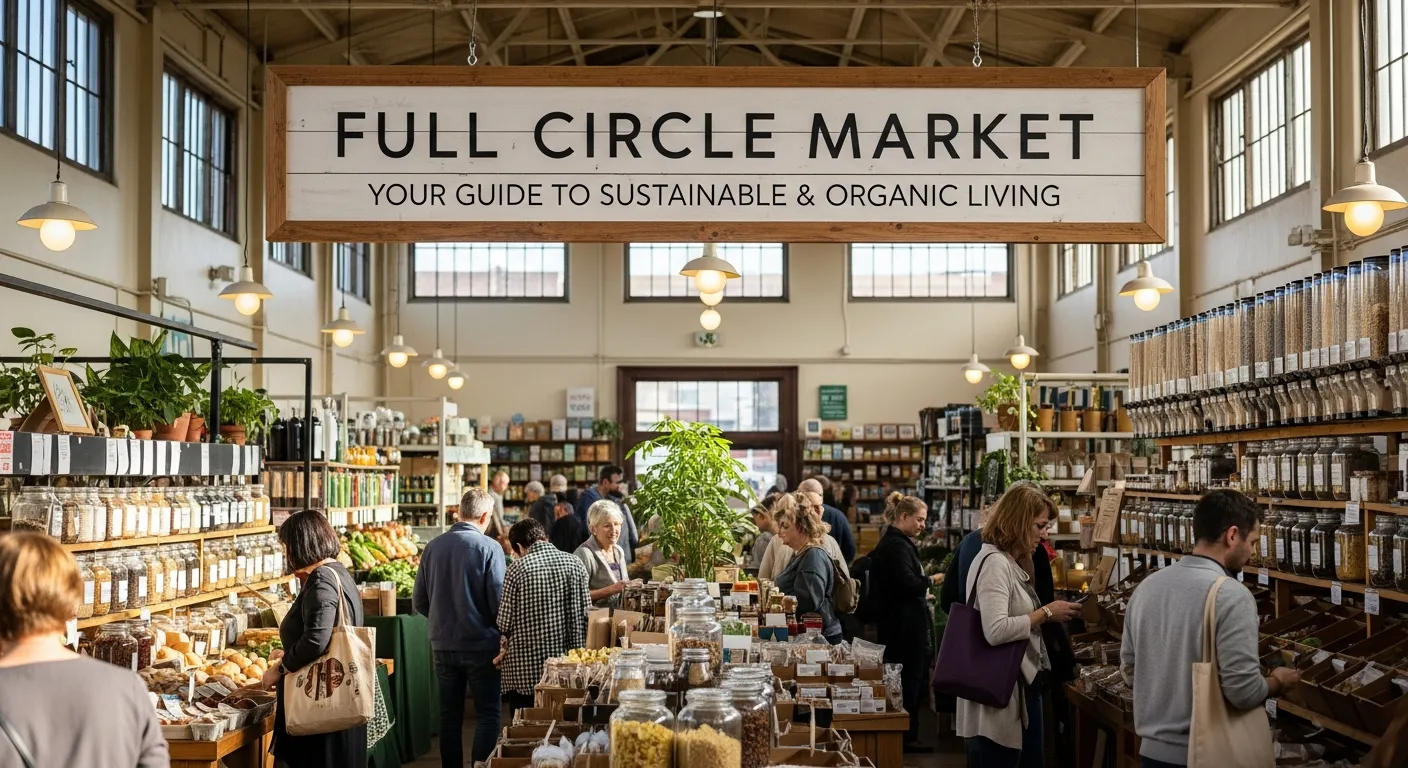
Embracing a healthier lifestyle shouldn’t be complicated or expensive. Full Circle Market bridges the gap between premium organic quality and everyday affordability, making sustainable living accessible to everyone.
This comprehensive guide explores the Full Circle Market ecosystem, detailing its commitment to organic products, non-GMO foods, and sustainable branding strategies. We analyze their product range, the importance of brand perception in marketing, and provide actionable tips for integrating these eco-friendly choices into your daily routine for a healthier planet.
The Rise of the Full Circle Market: A Revolution in Grocery
In an era where consumers are increasingly conscious of what they put on their plates, the demand for transparency and sustainability has never been higher. The Full Circle Market brand has emerged as a beacon for shoppers who refuse to compromise on quality or ethics but still need to stick to a budget. This isn’t just about buying food; it’s about participating in a movement that values the earth as much as the consumer.
The concept behind Full Circle Market is simple yet profound: returning to the basics of nature while utilizing modern logistics to ensure freshness and affordability. By offering a wide array of organic products—from fresh produce to pantry staples—the brand challenges the notion that eating well is a luxury reserved for the few.
Understanding the Core Philosophy
At the heart of Full Circle Market lies a dedication to sustainable branding strategies. Unlike traditional generic brands that often prioritize cost-cutting over quality, this label focuses on the “full circle” of the product’s life. This includes:
- Sourcing: Partnering with farmers who practice regenerative agriculture.
- Production: Minimizing chemical processing and artificial additives.
- Packaging: strive for eco-friendly materials where possible.
- Consumer Health: Providing clear, honest labeling about ingredients.
This holistic approach enhances brand perception in marketing, positioning Full Circle Market not just as a vendor, but as a partner in the consumer’s health journey.
The Importance of Non-GMO Foods in Modern Diets
One of the cornerstones of the Full Circle Market product line is its commitment to non-GMO foods. Genetically Modified Organisms (GMOs) have been a subject of debate for decades. For many health-conscious individuals, avoiding GMOs is a priority.
Full Circle Market provides assurance through rigorous third-party certifications. When you pick up a package with their label, you are often seeing the Non-GMO Project Verified seal. This transparency builds trust. It tells the consumer that the Full Circle Market brand values their right to know what is in their food. This is a crucial element of brand safety in digital marketing—ensuring that the physical product matches the digital promise of purity.
Navigating the Full Circle Market Product Ecosystem
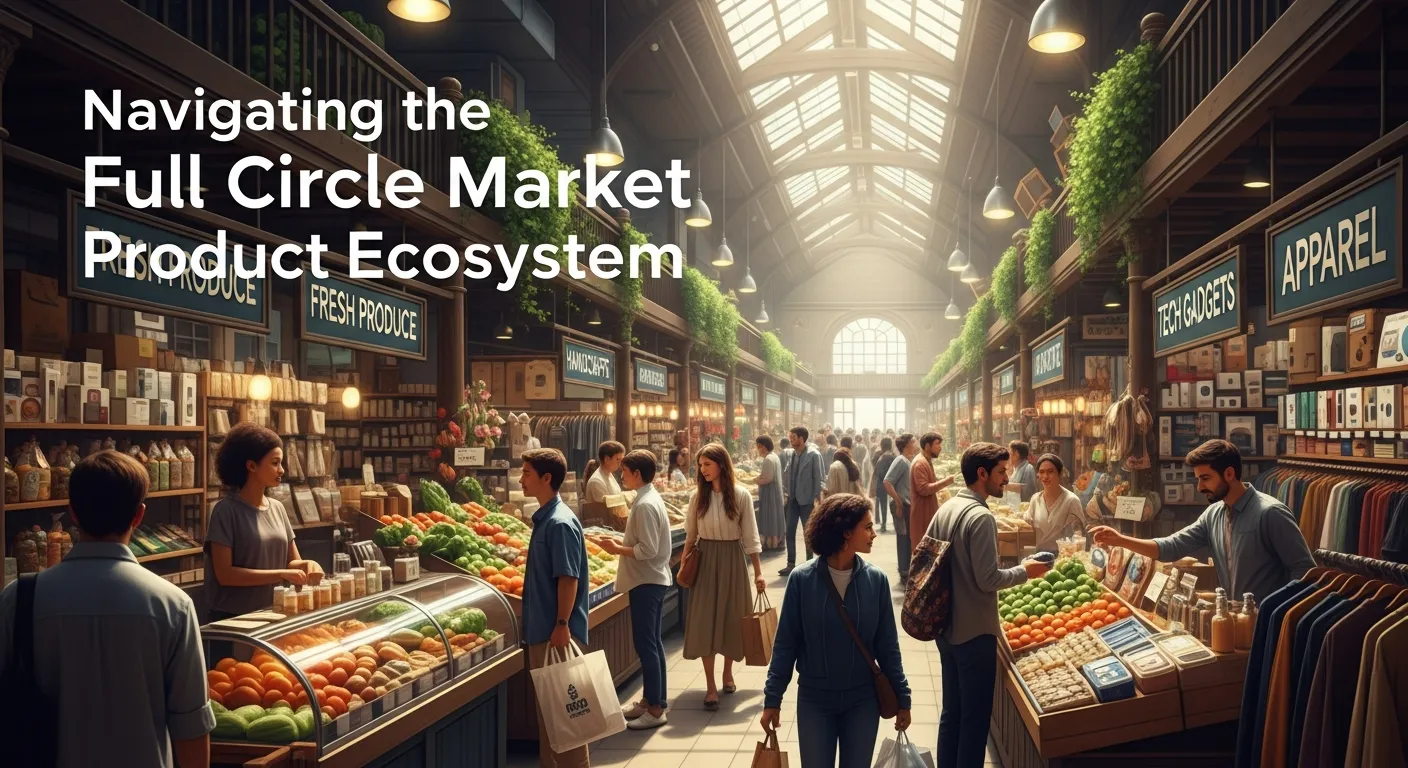
The Full Circle Market catalog is vast, covering almost every aisle of the grocery store. Let’s break down the key categories where this brand shines.
1. Fresh Organic Produce
The produce section is often the first touchpoint for customers. Full Circle Market offers certified organic products that are free from synthetic pesticides and fertilizers. This is where the difference in taste and quality is most palpable. From crisp apples to leafy greens, these items form the foundation of a nutritious diet.
2. Pantry Staples and Dry Goods
A sustainable kitchen needs more than just fresh vegetables. Full Circle Market excels in providing organic pasta, canned beans, rices, and grains. These staples are essential for meal prepping and ensure that eating organic is possible even on busy weeknights.
3. Eco-Friendly Cleaning Products
The “Full Circle” philosophy extends beyond food. The brand also offers cleaning supplies that use plant-based ingredients rather than harsh chemicals. This aligns with green marketing principles, appealing to consumers who want a non-toxic home environment.
4. Responsibly Sourced Seafood
As noted in our research, Full Circle Market is an industry leader in traceable seafood. Utilizing technology to show the journey from sea to store is a massive differentiator. This level of integrated marketing connects the physical product with a digital story of sustainability.
Sustainable Branding Strategies: Why It Matters
Full Circle Market serves as an excellent case study for sustainable branding strategies. In a crowded marketplace, simply claiming to be “natural” is no longer enough. Consumers are savvy; they understand greenwashing.
To combat this, Full Circle Market employs brand authenticity. They don’t just sell products; they sell a lifestyle. Their marketing emphasizes the connection between personal health and planetary health. This is a form of inclusive brand strategies, inviting a wide demographic—from budget-conscious parents to eco-warriors—to participate in the brand.
Brand perception in marketing is shaped by every interaction a customer has with the product. For Full Circle Market, the affordable price point is a key part of that perception. It signals that the brand is democratic, not elitist. This is a powerful position in the CPG brand marketing landscape.
Analyzing the Full Circle Market Consumer
Who shops for Full Circle Market products? The demographic is broad, but psychographically, they share several traits:
- Value-Driven: They care about where their money goes and want to support ethical practices.
- Health-Conscious: They read labels and understand the difference between organic products and conventional ones.
- Budget-Aware: They want high quality but are price-sensitive.
Understanding this audience is key to consumer brand marketing. Full Circle Market has successfully tapped into the “flexitarian” and wellness-focused segments without alienating the average shopper.
The Role of Digital Marketing in Growing Full Circle Market
Full Circle Market leverages digital channels effectively to maintain brand awareness. By using social media to share recipes, sustainability tips, and farmer stories, they engage in content marketing that provides value beyond the product itself.
Influencer marketing also plays a role. Partnering with nutritionists, mommy bloggers, and eco-influencers helps Full Circle Market reach niche audiences. When an influencer demonstrates how to cook a budget-friendly organic meal using Full Circle Market ingredients, it serves as powerful social proof.
Furthermore, brand storytelling is utilized to humanize the supply chain. Sharing videos about the fishermen who catch their seafood or the farmers who grow their wheat creates an emotional connection. This is emotional branding at its finest.
Integrating Full Circle Market into a Sustainable Lifestyle
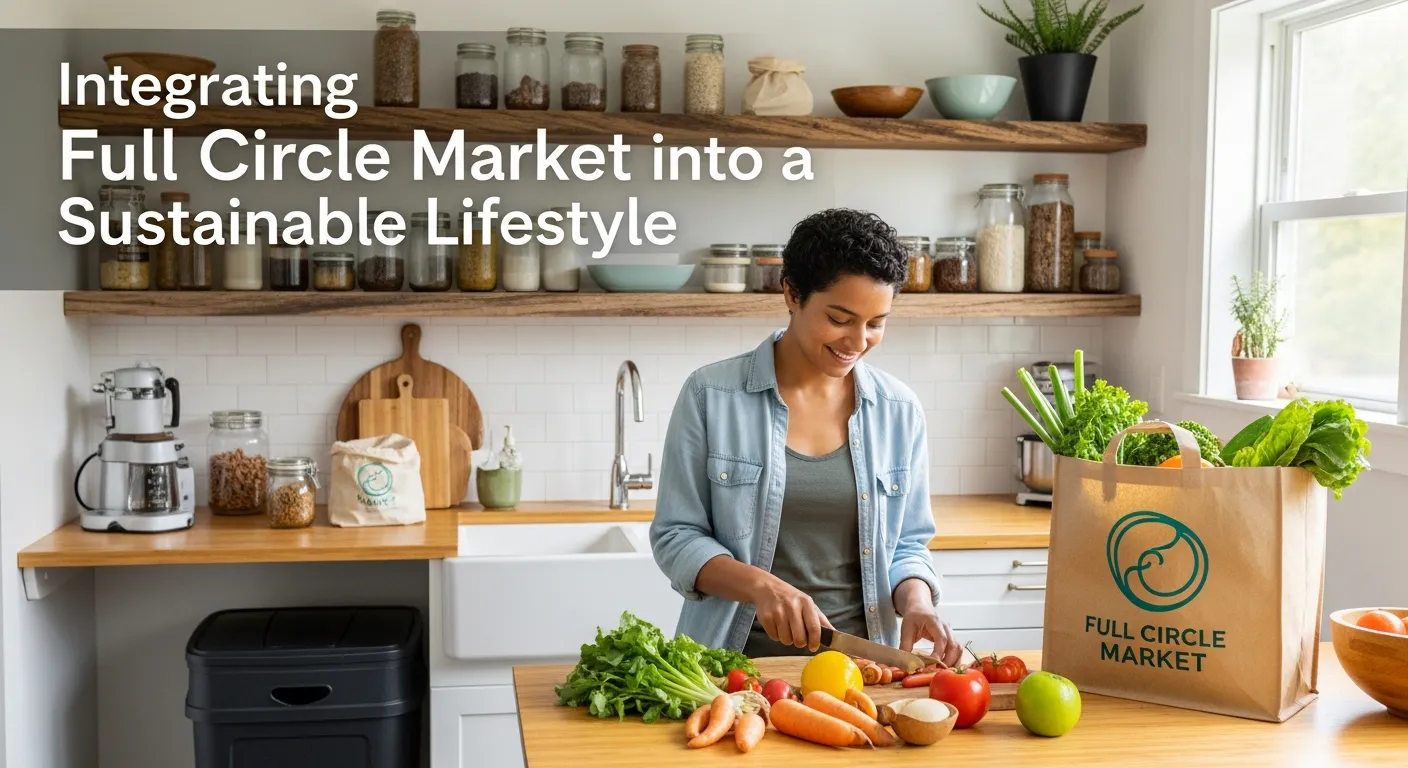
Adopting a Full Circle Market lifestyle doesn’t require a complete overhaul of your habits. It’s about making small, consistent swaps. Here are actionable tips for integrating these products into your life:
- Start with the Dirty Dozen: Prioritize buying organic for produce that retains the most pesticides, like strawberries and spinach. Full Circle Market offers affordable organic versions of these.
- Swap Your Oils: Switch to Full Circle Market organic olive oil or coconut oil. These are foundational ingredients that you use daily.
- Upgrade Your Snacks: Replace conventional chips and cookies with Full Circle Market’s organic / non-GMO snack options. They are often lower in processed sugars and devoid of high-fructose corn syrup.
- Green Your Cleaning: Next time you run out of dish soap or laundry detergent, try the Full Circle Market plant-based alternative.
Full Circle Market vs. Competitors
To truly understand the value of Full Circle Market, it helps to compare it with other market options.
|
Feature |
Full Circle Market |
High-End Organic Boutiques |
Conventional Generic Brands |
|---|---|---|---|
|
Price Point |
Affordable / Mid-Range |
Expensive |
Cheap |
|
Organic Variety |
High |
Very High |
Low |
|
Sustainability Focus |
Core Pillar |
Core Pillar |
Minimal |
|
Accessibility |
Major Grocery Chains |
Specialty Stores |
Everywhere |
|
transparency |
High (e.g., Seafood traceability) |
High |
Low |
This table highlights that Full Circle Market occupies a “sweet spot”—offering the quality of high-end boutiques with the accessibility of generic brands.
The Future of Full Circle Market and Sustainable Retail
As we look toward the future, the trajectory for Full Circle Market seems positive. The global trend toward sustainability is not slowing down. Climate change awareness is driving more consumers to seek out brands that align with their values.
We can expect to see Full Circle Market expand into new categories. perhaps moving deeper into personal care or pet food. We might also see more innovative packaging solutions as the brand strives to reduce plastic waste.
Brand resilience will be tested as supply chains face global challenges, but a brand built on strong relationships with growers is often more adaptable. Full Circle Market’s commitment to fair trade and ethical sourcing creates a robust network that can weather economic storms better than brands that rely solely on the lowest bidder.
Full Circle Market: A Case Study in Brand Loyalty
Building brand loyalty in the grocery sector is notoriously difficult. Consumers are fickle and price-sensitive. However, Full Circle Market engenders loyalty through consistency.
When a customer buys a Full Circle Market product, they know what to expect: no artificial flavors, no hidden GMOs, and a fair price. This consistency builds brand equity. Over time, customers stop comparing prices on every item and simply reach for the Full Circle Market logo because they trust it. This is the ultimate goal of brand positioning in marketing.
Actionable Insights for Retailers Carrying Full Circle Market
If you are a retailer stocking Full Circle Market, here is how to maximize sales:
- Create “Full Circle” Endcaps: Gather products from different categories (pasta, sauce, oil) to create a meal solution display.
- Highlight the Savings: Use signage to compare the price of a Full Circle Market organic item with a national conventional brand. Show customers they can upgrade to organic for pennies.
- Leverage Digital Coupons: Use your store app to push promotions specifically for Full Circle Market items to drive trial purchases.
- Educate Staff: Ensure your team knows the difference between organic and natural, and can explain the benefits of Full Circle Market’s non-GMO foods.
Deep Dive: Ingredient Transparency
One of the most significant advantages of Full Circle Market is the ingredient list. In a world of ultra-processed foods, simplicity is a virtue.
Take a look at a typical Full Circle Market cracker versus a leading national brand. You will likely find fewer ingredients, and all of them recognizable. No “TBHQ” or “Red 40.” This commitment to “clean label” products is a major selling point. It appeals to the growing segment of consumers concerned about gut health and food sensitivities.
Full Circle Market and the Community
Many iterations of the Full Circle Market brand philosophy involve community engagement. Whether it is through supporting local food banks or engaging in community clean-up events, the brand often strives to be a good neighbor.
This corporate social responsibility (CSR) is essential for modern branding. Consumers want to buy from companies that do good. By aligning with local causes, Full Circle Market strengthens its local brand marketing and builds deeper roots in the communities it serves.
Seasonal Promotions and Full Circle Market
Seasonality is a huge part of the grocery business. Full Circle Market adapts well to this.
- Summer: Focus on organic grilling condiments and fresh berries.
- Fall: Highlight organic canned pumpkin, broths, and baking spices.
- Winter: Promote hearty grains, soups, and vitamin-rich citrus.
- Spring: Showcase fresh greens and eco-friendly cleaning supplies for spring cleaning.
Aligning content and inventory with these seasons is a classic seasonal promotion strategy that keeps the brand relevant year-round.
Overcoming Misconceptions
There is a common misconception that “store brands” or “private labels” are inferior quality. Full Circle Market fights this perception every day. Through rigorous quality control and taste testing, they ensure their products often beat national brands in blind taste tests.
Marketing campaigns that challenge consumers to “taste the difference” can be very effective here. This direct confrontation of brand perception helps dismantle old prejudices against private labels.
The Impact of Full Circle Market on Family Health
For families, Full Circle Market is a game changer. Parents often feel guilty if they cannot afford to feed their children 100% organic. Full Circle Market alleviates this guilt by making organic accessible.
Knowing that the milk, cereal, and snacks you are feeding your kids are free from growth hormones and synthetic dyes provides peace of mind. This emotional benefit is a huge driver of purchase intent. It taps into the protective instincts of parents, a powerful force in family branding in marketing.
Conclusion
Full Circle Market represents a paradigm shift in how we approach grocery shopping. It proves that organic products and non-GMO foods do not have to be exclusive luxuries. By combining ethical sourcing, sustainable branding strategies, and a commitment to affordability, Full Circle Market empowers consumers to make better choices for themselves and the planet.
Whether you are looking to overhaul your diet, reduce your environmental footprint, or simply save money without sacrificing quality, Full Circle Market offers a solution. It is a brand that truly comes full circle—connecting the health of the soil to the health of your family. Next time you are in the aisle, look for the Full Circle Market logo. It is a small choice that makes a big difference.
FAQs
1. What is Full Circle Market?
Full Circle Market is a private label brand available at various grocery retailers. It focuses on providing affordable, high-quality organic products and natural foods. Their range includes pantry staples, fresh produce, dairy, frozen foods, and eco-friendly cleaning products, all designed to be better for the consumer and the environment.
2. Is Full Circle Market completely organic?
While a vast majority of Full Circle Market items are USDA Certified Organic, not every single product carries this seal. However, products that are not certified organic are typically natural and free from artificial preservatives, colors, and flavors. The brand prioritizes organic products wherever possible.
3. Are Full Circle Market products non-GMO?
Yes, a core tenet of the brand is a commitment to non-GMO foods. Most Full Circle Market products are Non-GMO Project Verified. This means they have been produced without genetic engineering, giving consumers peace of mind about the genetic integrity of their food.
4. Where can I buy Full Circle Market products?
Full Circle Market is sold at a network of independent retailers and major grocery chains across the United States. You can often find them at stores like Schnucks, Big Y, Price Chopper, and other associated supermarkets. It is best to check the store locator on the specific retailer’s website.
5. Is Full Circle Market packaging sustainable?
Full Circle Market is actively working on sustainable branding strategies, which includes improving packaging. They utilize recycled materials where feasible and are constantly exploring ways to reduce plastic usage. Their commitment to sustainability extends beyond the food inside to the package it comes in.
6. How does Full Circle Market keep prices low?
As a private label brand, Full Circle Market saves money on the massive advertising budgets and slotting fees that national brands pay. They pass these savings on to the consumer. Additionally, efficient supply chain management allows them to offer organic products at a price point competitive with conventional items.
7. Does Full Circle Market offer gluten-free options?
Yes, Full Circle Market offers a wide variety of gluten-free products. From gluten-free pasta and crackers to baking mixes, they cater to those with celiac disease or gluten sensitivities. Always check the packaging for the “Gluten-Free” certification to be sure.
8. What kind of cleaning products does Full Circle Market sell?
The brand offers a line of eco-friendly home care products. This includes dish soap, laundry detergent, and all-purpose cleaners. These products are formulated with plant-based ingredients and are generally free from harsh chemicals like phosphates and chlorine, aligning with green marketing values.
9. Is the seafood from Full Circle Market sustainable?
Yes, Full Circle Market is a leader in sustainable seafood. They often utilize tracking technology that allows consumers to trace the journey of their seafood from the water to the store. This ensures that the fish is caught or farmed using responsible practices that do not deplete ocean resources.
10. How does Full Circle Market ensure product quality?
Full Circle Market maintains strict quality standards. They work closely with trusted suppliers and farmers who adhere to organic and sustainable farming practices. Products undergo testing to ensure they meet the brand’s criteria for taste, texture, and purity, ensuring positive brand perception.