

Capturing attention in a noisy digital landscape requires more than just great products. It demands Brand Storytelling—the art of weaving your values into a narrative that resonates deeply.
This guide explores the transformative power of Brand Storytelling, detailing how to build emotional connections, define your brand archetype, and leverage digital platforms. We cover actionable strategies, from Inclusive Brand Strategies to Emotional Branding, ensuring your narrative drives loyalty and business growth.
The Essence of Brand Storytelling in Modern Marketing
At its core, Brand Storytelling is not just about marketing; it is about connection. It is the cohesive narrative that weaves together the facts and emotions that your brand evokes. In an era where consumers are bombarded with thousands of ads daily, a compelling story is the only way to cut through the noise. It transforms a faceless entity into a relatable character that audiences want to support.
Why does this matter? Because psychology tells us that humans are wired for stories. We remember narratives 22 times better than facts alone. When you master Brand Storytelling, you aren’t just selling a product; you are selling an experience, a value system, and a vision of the future that the customer wants to be part of.
The Shift from Selling to Connecting
Traditional marketing often focused on features and benefits. “Buy this because it is faster/cheaper/better.” However, Brand Storytelling shifts the focus to “Buy this because we understand you.” This shift is crucial for Building Brand Consistency Across Digital and Physical Touchpoints. When a customer feels understood, trust is established. Trust leads to loyalty, and loyalty leads to advocacy.
Consider the difference between a company that sells “outdoor gear” and a brand like Patagonia. Patagonia’s Brand Storytelling focuses on environmental activism and the love of nature. They don’t just sell jackets; they sell a commitment to the planet. This is a prime example of Value Based Brand Positioning.
Key Elements of a Powerful Brand Narrative
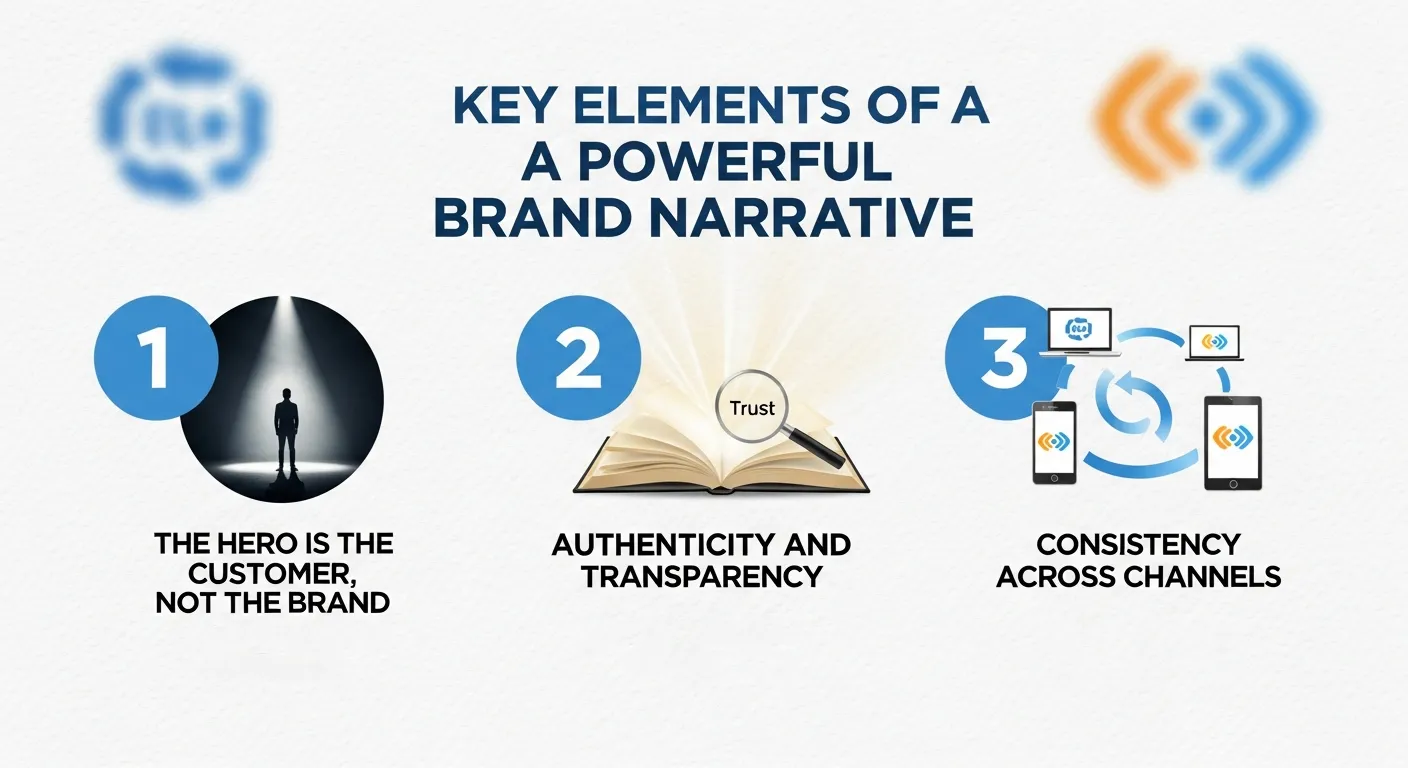
To create a story that sticks, you need more than just a timeline of your company’s history. You need structure, emotion, and authenticity.
1. The Hero is the Customer, Not the Brand
One of the biggest mistakes in Brand Storytelling is making the brand the hero. In reality, your customer is the hero (Luke Skywalker), and your brand is the guide (Yoda). Your product is the lightsaber that helps them defeat their villain (a problem they face).
- The Problem: What keeps your customer up at night?
- The Guide: How does your Brand Voice demonstrate empathy and authority?
- The Plan: What simple steps can they take with your product?
- The Success: What does their life look like after using your product?
2. Authenticity and Transparency
Consumers, especially Gen Z and Millennials, have a highly tuned “BS radar.” They crave Brand Authenticity. This means owning your flaws and being transparent about your processes. The Truth Behind Branded Sustainability and Environmental Harm is often exposed when brands try to greenwash their stories. Authentic storytelling involves admitting challenges and showing the real work behind the scenes.
3. Consistency Across Channels
Your story must be the same whether someone is reading a tweet, watching a YouTube video, or reading an email. Integrated Brand Promotion ensures that your message doesn’t become diluted. If your Instagram is fun and casual but your website is stiff and corporate, you create a disconnect that damages trust.
Developing Your Brand Archetype
Psychologist Carl Jung introduced the concept of archetypes—universal character models that reside in our collective unconscious. In marketing, Brand Archetypes are a powerful tool for defining your personality.
|
Archetype |
Core Desire |
Brand Voice |
Example |
|---|---|---|---|
|
The Hero |
Mastery & Courage |
Bold, confident, inspiring |
Nike |
|
The Caregiver |
Service & Protection |
Compassionate, nurturing |
Johnson & Johnson |
|
The Creator |
Innovation & Expression |
Creative, visionary, unique |
Adobe / Lego |
|
The Jester |
Enjoyment & Humor |
Fun, lighthearted, mischievous |
Old Spice |
|
The Sage |
Knowledge & Truth |
Intelligent, analytical, trusted |
Google / BBC |
Understanding your archetype helps in Brand Personality In Marketing. It dictates the language you use, the colors you choose (see The Psychology of Color in Branding), and the stories you tell. A “Hero” brand talks about overcoming adversity. A “Caregiver” brand talks about safety and warmth.
Strategies for Digital Brand Storytelling
The digital age offers unprecedented tools for Brand Storytelling, but it also requires specific strategies to be effective.
Utilizing Visuals and Video
Visuals process faster in the brain than text. Digital Marketing Success Stories almost always involve compelling imagery. Video content, particularly on platforms like TikTok and Instagram Reels, allows for Interactive Storytelling in Branding.
- Behind-the-Scenes: Show the people making the product.
- User-Generated Content (UGC): Let your customers tell the story for you.
- Live Streaming: engaging in real-time adds a layer of raw authenticity.
The Role of SEO in Storytelling
You might think SEO is purely technical, but Brand Storytelling and SEO go hand-in-hand. By using long-tail keywords and answering real user questions within your narrative, you signal to search engines that your content is valuable. Tools like SEMrush and Ahrefs can help you identify the questions your audience is asking, allowing you to weave the answers into your story naturally.
Leveraging Social Media
Social media is the campfire around which modern stories are told. However, different platforms require different storytelling techniques.
- LinkedIn: Focus on Personal Branding for CEOs and professional growth.
- Instagram/Pinterest: Heavily visual, focusing on Lifestyle Branding and aesthetics.
- Twitter/X: Quick, punchy updates and real-time engagement.
Inclusive and Sustainable Storytelling
Modern Brand Storytelling must be inclusive. Inclusive Brand Strategies ensure that your narrative reflects the diversity of your audience. This isn’t about checking boxes; it’s about genuine representation. When people see themselves in your story, the connection is instantaneous.
Furthermore, Sustainable Branding Strategies are no longer optional. Consumers want to know where their products come from and the impact they have. Telling the story of your supply chain, your ethical labor practices, and your carbon footprint reduction efforts creates Brand Equity. Conversely, failing to address these issues can lead to a Brand Crisis Management in the Social Media Era nightmare.
Measuring the Impact of Your Story
How do you know if your Brand Storytelling is working? You must look at the data.
- Engagement Metrics: Are people sharing, commenting, and saving your content? High engagement indicates emotional resonance.
- Brand Sentiment: Use social listening tools to see how people feel about your brand. Are the mentions positive?
- Conversion Rates: Ultimately, a good story sells. If your bounce rates are high, your story might not be hooking the reader.
- Time on Page: Longer time spent on your Brand Storytelling pages indicates that the narrative is captivating.
Emotional Branding: The Heart of the Narrative
Emotional Branding is the practice of building a brand that appeals directly to a consumer’s emotional state, needs, and aspirations. It is the difference between buying a coffee and buying a “moment of peace” at Starbucks.
Neuromarketing and Storytelling
Neuromarketing Techniques reveal that emotional responses to ads are more influential on a person’s intent to buy than the content of the ad itself. Brand Storytelling triggers the release of oxytocin, the “trust hormone.” By crafting stories that induce joy, nostalgia, or even righteous anger (in the case of activist brands), you hack the biological decision-making process.
For example, Nostalgia in Digital Branding is a potent tool. It transports the customer back to a simpler time, associating those warm feelings with your modern product.
The Future of Brand Storytelling: AI and The Metaverse
As we look forward, Brand Storytelling is evolving. AI Brand Storytelling allows for hyper-personalization. Imagine a website that adapts its narrative based on the visitor’s browsing history, creating a unique story for every user.
Additionally, Mastering Metaverse Branding opens new frontiers. In virtual worlds, storytelling becomes immersive. Users don’t just watch the story; they walk through it. Brands are creating Gamified Branding experiences where customers complete quests to learn about the brand values.
Advanced Tactics for Brand Marketers
For those looking to deepen their strategy, consider these advanced concepts:
Transmedia Storytelling
This involves telling a single story across multiple platforms and formats, with each element making a unique contribution to the whole. A story might start in a YouTube video, continue in an email series, and conclude in a mobile app experience.
Sonic Branding
Never underestimate the power of sound. The Power of Sonic Branding (like the Netflix “Ta-dum” or the McDonald’s whistle) triggers instant memory recall. It is a subtle but critical part of the overall narrative.
Internal Storytelling
Internal Branding: Turning Employees into Your Most Powerful Brand Ambassadors is often overlooked. If your employees don’t know or believe the story, they can’t communicate it to customers. Your culture is your story in action.
Case Studies: Brand Storytelling Done Right
Airbnb: Belong Anywhere
Airbnb doesn’t sell rentals; they sell the concept of “belonging.” Their content focuses heavily on the hosts and the travelers, sharing intimate stories of connection across cultures. This Global Brand Localization strategy makes a massive global company feel personal and local.
Dove: Real Beauty
Dove’s “Real Beauty” campaign is a benchmark in Purpose-Driven Branding. By challenging beauty standards, they positioned themselves as a champion for self-esteem. This isn’t just marketing; it’s a social movement wrapped in Brand Storytelling.
Nike: Just Do It
Nike celebrates the athlete in everyone. Their stories rarely focus on the shoes. They focus on the struggle, the sweat, and the triumph. They utilize Influencer Marketing effectively, but they also highlight everyday athletes, reinforcing the Brand Archetype of the Hero.
Overcoming Challenges in Brand Storytelling
Even the best brands face hurdles.
- Inconsistency: As companies grow, silos form. Marketing might tell one story while Sales tells another. Integrated Marketing is the solution.
- Lack of Differentiation: If your story sounds like your competitor’s, you have a problem. Conduct a Competitive Brand Analysis to find your white space.
- Neglecting the Data: Storytelling is art, but it must be backed by science. Use Google Analytics and other tools to refine your approach based on what the audience actually consumes.
Conclusion
Brand Storytelling is the bridge between business strategy and human emotion. It turns customers into a community and purchases into partnerships. By mastering authentic narratives, leveraging Emotional Branding, and staying consistent across all channels, you future-proof your business. Start telling your story today—because if you don’t, someone else will define your brand for you.
FAQs
1. What is the definition of Brand Storytelling?
Brand Storytelling is the cohesive narrative that weaves together the facts and emotions that your brand evokes. It uses narrative techniques to connect your brand to customers, focusing on linking what you stand for to the values you share with your customers.
2. Why is Brand Storytelling important for SEO?
Search engines prioritize content that engages users. Good Brand Storytelling increases time on page, lowers bounce rates, and encourages social sharing and backlinks—all of which are vital ranking signals. It also allows for the natural inclusion of LSI keywords.
3. How do I find my Brand’s story?
Start by asking “Why?” Why was the company founded? What problems were you trying to solve? Look at your Brand Archetypes and customer testimonials. The intersection of your origin, your mission, and your customer’s needs is where your story lives.
4. Can B2B companies use Brand Storytelling?
Absolutely. B2B buyers are still humans driven by emotion. B2B Brand Differentiation often relies on storytelling to explain complex solutions in relatable terms, focusing on the success of the client rather than just technical specs.
5. What is the role of data in Brand Storytelling?
Data tells you what stories resonate. Through Data-Driven Brand Storytelling, you can analyze which narratives drive engagement and conversions, allowing you to refine your content strategy for maximum impact.
6. How often should I change my Brand Story?
Your core story (mission/values) should remain consistent to build Brand Equity. However, the way you tell it and the campaigns you run should evolve with market trends and cultural shifts to remain relevant.
7. What is the difference between Brand Storytelling and content marketing?
Content marketing is the vehicle; Brand Storytelling is the fuel. Content marketing includes the blogs, videos, and posts you create. Storytelling is the underlying message and emotional thread that connects all that content together.
8. How does “Brand Voice” relate to storytelling?
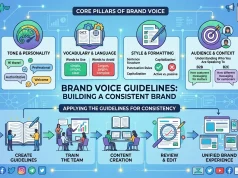
Brand Voice is the distinct personality and style in which you tell your story. Whether it is witty, authoritative, or nurturing, your voice ensures your story is recognizable regardless of the platform.
9. What are common mistakes in Brand Storytelling?
The most common mistakes include making the brand the hero (instead of the customer), being inconsistent across channels, lack of authenticity (greenwashing), and failing to evoke emotion.
10. How can I measure the ROI of Brand Storytelling?
ROI is measured through a combination of soft metrics (brand awareness, sentiment, engagement) and hard metrics (customer acquisition cost, lifetime value, conversion rates). Long-term Brand Loyalty is the ultimate indicator of success.


[…] advertising, content topics, social media communication, design, and customer experience. Effective brand storytelling can also help businesses communicate their positioning through meaningful and memorable […]