
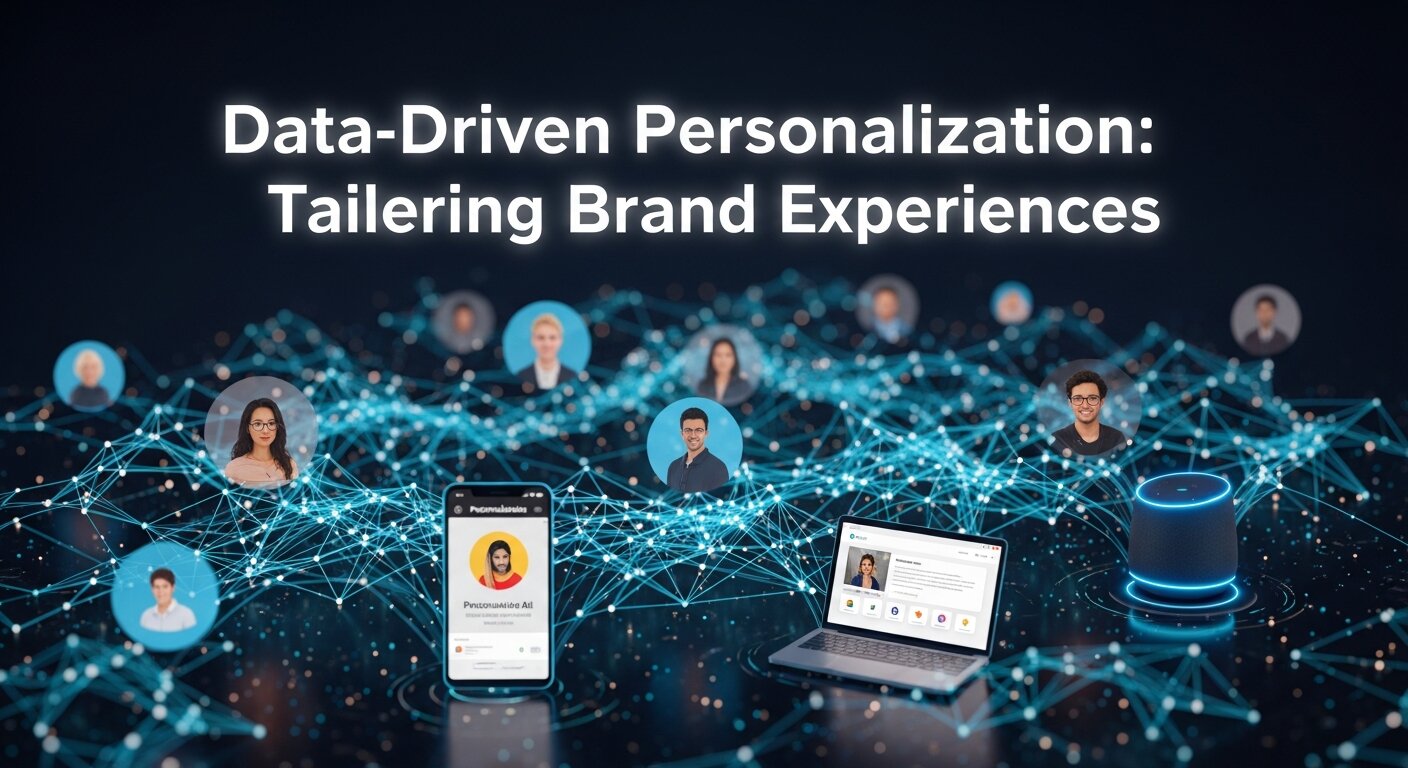
Data-driven personalization helps brands deliver tailored customer experiences using analytics and AI. It improves engagement, conversions, loyalty, and storytelling by understanding user behavior and predicting needs for more relevant, meaningful, and effective marketing strategies.
In today’s digital-first marketplace, brands rely on data-driven personalization to deliver relevant and tailored customer experiences. By using analytics, AI, and behavioral insights, businesses can understand user needs more deeply and create meaningful engagement. Data-driven personalization helps improve satisfaction, boost conversions, and build stronger customer relationships, making it essential for modern marketing success and long-term brand growth in competitive industries.
Understanding Customer Behavior Through Data
Understanding customer behavior is the foundation of modern marketing success. Data-driven personalization helps businesses analyze user actions such as clicks, searches, time spent, and purchase history to identify meaningful patterns. These insights allow brands to better understand what customers truly want instead of relying on assumptions or outdated marketing logic. By using advanced analytics tools, companies can segment audiences into highly specific groups and create targeted messaging for each. Data-driven personalization ensures that every marketing effort is backed by real evidence, improving accuracy and performance. This deep understanding of behavior helps brands build stronger relationships, increase engagement, and deliver experiences that feel relevant, timely, and valuable to each customer across all digital touchpoints.
Enhancing Customer Engagement with Smart Insights
Customer engagement improves significantly when brands use real-time insights effectively. Data-driven personalization allows businesses to deliver content that matches user interests, preferences, and browsing behavior. Instead of generic communication, customers receive highly relevant messages that feel meaningful and timely. This increases interaction rates across websites, apps, email marketing campaigns, and social media platforms. Data-driven personalization also helps brands continuously refine their strategies based on live user behavior, ensuring constant optimization and improvement. When customers feel understood, they naturally engage more frequently with the brand. This approach not only boosts engagement but also builds long-term trust and emotional connection, making users more likely to stay loyal and interact consistently with personalized brand experiences across multiple channels.
Predictive Technologies in Modern Branding
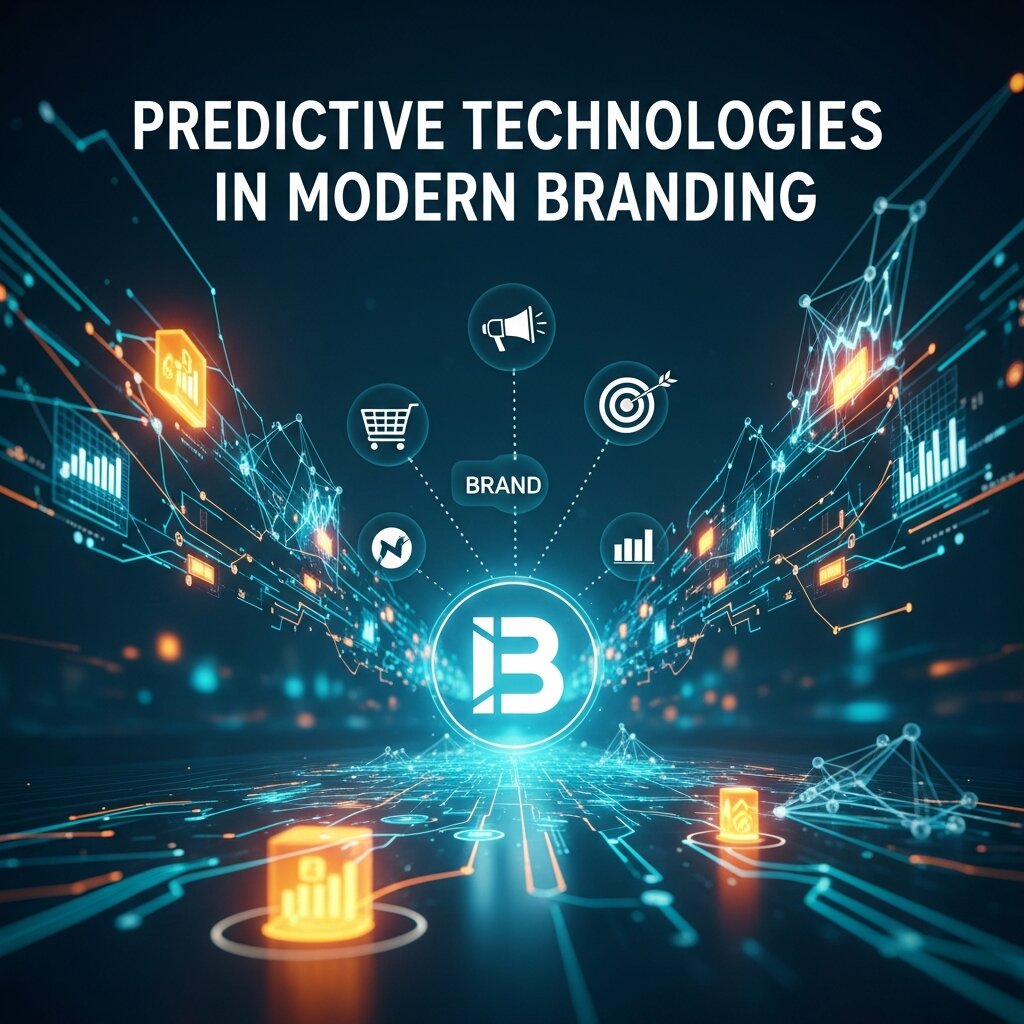
Predictive analytics is transforming how brands plan and execute marketing strategies in today’s competitive environment. Data-driven personalization plays a crucial role in turning predictive insights into actionable business decisions. By analyzing historical behavior and customer patterns, brands can forecast future needs and preferences with high accuracy. This allows businesses to position products more effectively and increase conversion rates. The integration of Brand Positioning with PredictiveBoost Strategies becomes even more powerful when combined with data-driven personalization, as it enables proactive marketing instead of reactive campaigns. Brands can anticipate demand and deliver solutions before customers even express interest, improving efficiency, competitiveness, and brand authority in fast-changing digital markets where timing and relevance are critical.
Building Strong Brand Identity Through Personalization
Improving Conversion Rates with Targeted Content
Augmented Reality and Personalized Branding
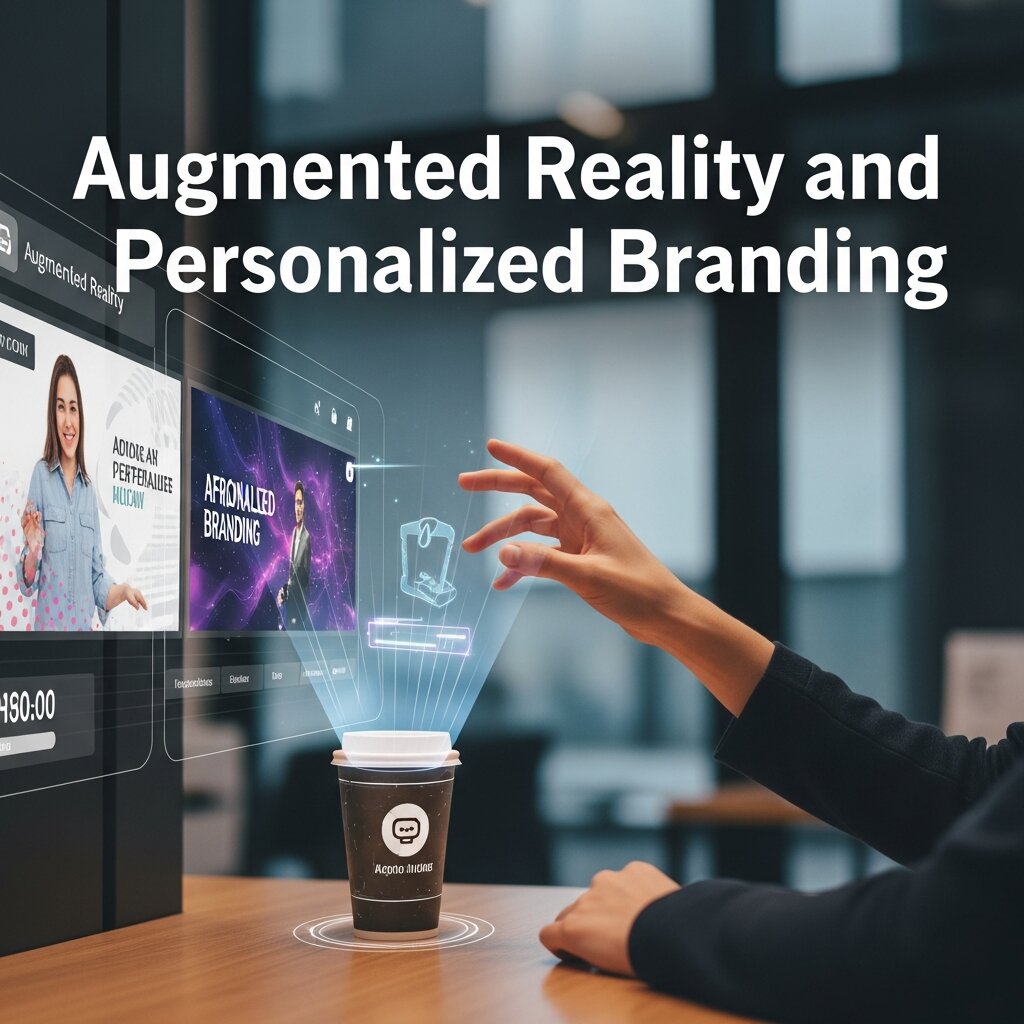 Augmented Reality (AR) is reshaping digital customer experiences by merging physical and virtual interactions. By using customer insights and behavioral data, brands can customize immersive experiences based on user preferences, interests, and purchase intent. Customers can visualize products in real-world environments through virtual try-ons, simulations, and interactive product demos, making the shopping journey more engaging and realistic. These experiences are no longer generic but tailored to individual users, increasing relevance and impact. By combining advanced technology with personalization strategies, brands can bridge the gap between online and offline shopping. This leads to improved customer satisfaction, stronger engagement, and higher purchase confidence, making AR a powerful tool in modern digital marketing strategies.
Key Benefits of Data-Driven Personalization in Marketing
Data-driven personalization plays a crucial role in modern marketing by helping brands deliver more relevant and impactful customer experiences. It allows businesses to move away from generic campaigns and focus on individual customer needs, improving overall efficiency and results. Data-driven personalization enhances engagement, boosts conversions, and strengthens customer relationships by using real-time insights and behavioral data. It also helps marketers make smarter decisions based on actual user patterns rather than assumptions. With increasing competition, this approach has become essential for brands that want sustainable growth, better targeting, and improved return on investment across all digital channels.
Key Benefits:
- Improves customer engagement and interaction
- Increases conversion rates and sales performance
- Enhances customer satisfaction and loyalty
- Enables accurate audience segmentation
- Supports smarter marketing decisions
| Area | Impact | Result |
|---|---|---|
| Engagement | Higher user interaction | Better brand connection |
| Conversion | Targeted messaging | Increased sales |
| Loyalty | Personalized experience | Long-term retention |
| Marketing ROI | Data-based targeting | Reduced ad waste |
| Customer Experience | Relevant content | Higher satisfaction |
Mastering Brand Storytelling with Data Insights
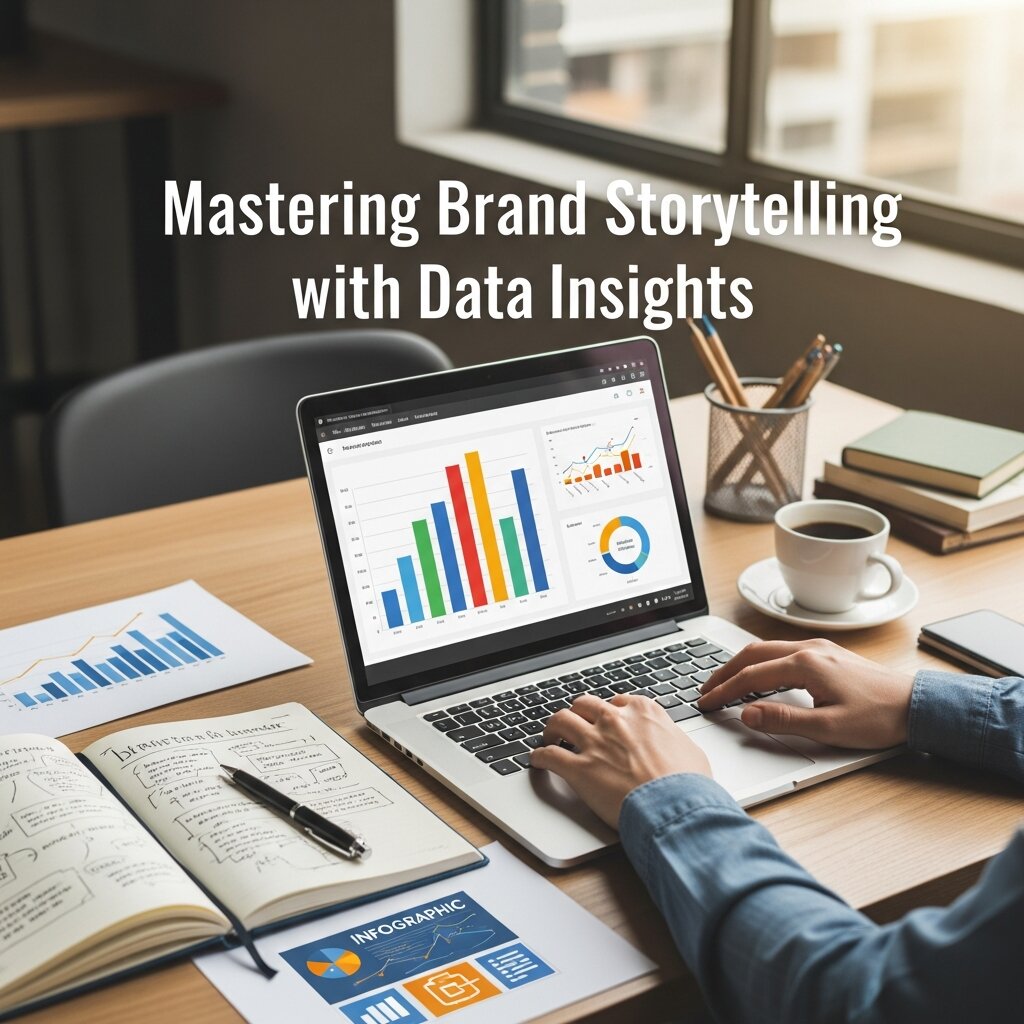
Storytelling becomes significantly more powerful when supported by real customer insights and behavioral data. Data-driven personalization helps brands craft narratives that resonate with specific audience segments based on their interests, emotions, and journey patterns. By analyzing customer behavior, businesses can identify what motivates engagement and shapes emotional responses. This enables more authentic and relatable storytelling. Data-driven personalization ensures that brand messages are not generic but customized for different user groups, improving relevance and impact. As a result, customers feel more emotionally connected to the brand’s story. This approach strengthens brand recall, enhances trust, and creates deeper engagement, allowing businesses to build meaningful relationships through personalized storytelling strategies that reflect real customer experiences and expectations.
Read more about this topic: Mastering Brand Storytelling
Strengthening Customer Loyalty Through Personal Experiences
Customer loyalty is built through consistent, relevant, and meaningful experiences across the entire customer journey. Data-driven personalization allows brands to deliver tailored interactions that evolve based on user behavior and preferences over time. Loyalty programs, personalized discounts, and customized recommendations become more effective when powered by accurate data insights. Data-driven personalization ensures that customers feel valued and understood at every stage of their relationship with the brand. This emotional connection encourages repeat purchases, long-term engagement, and positive word-of-mouth. When customers consistently receive personalized experiences, they are more likely to remain loyal and advocate for the brand, leading to higher retention rates and stronger long-term business growth in competitive markets.
Challenges and Solutions in Data-Driven Personalization
While data-driven personalization offers many benefits, it also comes with challenges such as data privacy concerns, data accuracy issues, and integration complexity. Businesses must handle customer data responsibly while ensuring compliance with regulations. Data-driven personalization also requires strong tools and skilled teams to analyze and apply insights effectively. Despite these challenges, the right strategies and technologies can make personalization highly successful and scalable for any business size.
Key Challenges:
- Data privacy and security concerns
- Poor or incomplete data quality
- Integration of multiple data sources
- High implementation costs
- Lack of skilled data professionals
Solutions:
- Use secure data management systems
- Maintain clean and updated databases
- Implement unified customer data platforms
- Start with scalable personalization tools
- Invest in AI-powered analytics solutions
| Challenge | Solution | Outcome |
|---|---|---|
| Data privacy issues | Strong encryption & compliance | Secure customer trust |
| Poor data quality | Regular data cleaning | Accurate insights |
| System integration | Unified platforms | Smooth workflow |
| High cost | Scalable tools | Budget efficiency |
| Skill gaps | Training & AI tools | Better performance |
Future of Intelligent Marketing Systems
The future of marketing will be driven by automation, artificial intelligence, and advanced analytics systems. Data-driven personalization will continue to evolve as a core component of intelligent marketing strategies, enabling brands to deliver real-time, hyper-personalized experiences. With the integration of AI and machine learning, businesses will gain deeper insights into customer behavior and preferences. Technologies like Augmented Reality Branding will further enhance personalized interactions across digital platforms. Data-driven personalization will allow companies to predict customer needs more accurately and respond instantly with relevant solutions. Organizations that adopt these advanced systems early will gain a strong competitive advantage, ensuring higher efficiency, better engagement, and stronger customer relationships in an increasingly data-driven digital ecosystem.
Conclusion
In conclusion, modern branding success depends on relevance, timing, and personalization. Data-driven personalization is the foundation that enables businesses to connect deeply with their audiences through meaningful and tailored experiences. By leveraging data, predictive analytics, and advanced technologies, brands can improve engagement, conversions, and loyalty. Data-driven personalization ensures that every customer interaction is purposeful and impactful. As digital ecosystems continue to evolve, businesses that embrace personalization will stay ahead of competitors. This approach not only enhances performance metrics but also builds long-lasting emotional relationships with customers, making it essential for future-ready brand strategies.


[…] can learn more about [data-driven personalization and tailored brand experiences]Data-Driven Personalization when developing more relevant customer-facing […]