This blog explains how marketing and branding work together to grow businesses, build trust, improve visibility, and increase customer loyalty. It highlights strategies like digital marketing, SEO, content creation, and social media for long-term success.
Marketing and branding are essential for building a successful business in today’s competitive world. Marketing helps promote products and services, while branding shapes identity and trust. Together, marketing and branding create strong visibility, attract customers, and improve loyalty. Businesses that use effective strategies can grow faster, build recognition, and maintain long-term relationships with their audience through consistent communication and value-driven engagement.
Understanding the Importance of Marketing and Branding
Marketing and branding work together to create a strong business foundation. Marketing helps businesses promote their products and services, while branding shapes how customers perceive the company. A strong brand identity builds trust and emotional connections with customers, making them more likely to choose the business repeatedly. Effective marketing and branding also improve customer recognition and help companies stand out in crowded industries. Businesses with clear branding often experience stronger customer loyalty and better long-term growth. Companies should focus on consistent messaging, professional visuals, and customer-focused communication. By combining strategic promotion with a memorable brand image, businesses can create stronger relationships with their audience and achieve sustainable success in competitive markets.
Building a Strong Brand Identity
A strong brand identity helps customers recognize and remember a business. It includes elements such as logos, colors, slogans, tone of voice, and overall company personality. Successful marketing and branding strategies ensure that all these elements remain consistent across websites, advertisements, and social media platforms. Consistency builds trust and creates a professional image that customers can easily identify. Businesses should also focus on understanding their target audience when developing a brand identity. A clear understanding of customer preferences helps companies create messages that connect emotionally with their audience. Strong brand identity not only increases recognition but also improves customer loyalty, making it easier for businesses to maintain long-term relationships and achieve sustainable business growth.
Creating an Effective Digital Marketing Strategy
 Digital platforms have transformed how businesses approach marketing and branding. Companies now use websites, social media, email marketing, and search engines to reach customers globally. An effective digital marketing strategy should focus on understanding customer behavior and delivering valuable content that meets their needs. Businesses should optimize their websites for search engines, create engaging social media posts, and use email campaigns to maintain communication with customers. Consistent online presence improves visibility and builds credibility. Marketing and branding efforts become more effective when businesses use analytics tools to measure performance and improve campaigns over time. A strong digital strategy allows companies to connect with audiences quickly, increase conversions, and strengthen customer relationships in competitive online markets.
The Role of Content Marketing in Brand Growth
Content marketing is one of the most effective methods for improving marketing and branding results. High-quality content helps businesses educate, inform, and engage their audience while building trust and authority. Blog posts, videos, social media content, and infographics can all support brand growth when created strategically. Businesses should focus on producing content that solves customer problems and answers common questions. Valuable content encourages people to spend more time interacting with the brand and increases the chances of conversions. Consistency is also important because regular content publishing keeps audiences engaged. Strong content marketing strategies improve search engine rankings, increase website traffic, and help businesses establish themselves as industry leaders while supporting long-term customer relationships and business success.
Using Social Media for Marketing and Branding
Social media platforms play a major role in modern marketing and branding strategies. Businesses use platforms like Facebook, Instagram, LinkedIn, and TikTok to connect directly with customers and build brand awareness. Social media allows companies to share updates, promote products, and interact with audiences in real time. Businesses should focus on creating engaging and visually appealing content that reflects their brand identity. Consistent posting and audience interaction help improve visibility and customer trust. Marketing and branding efforts on social media become more effective when businesses use targeted advertising and influencer collaborations. By understanding audience preferences and trends, companies can strengthen customer relationships, increase engagement, and create a loyal online community that supports long-term growth and success.
Improving Customer Trust Through Branding
 Customer trust is one of the most valuable assets a business can build through marketing and branding. A trustworthy brand creates confidence among customers and encourages repeat business. Businesses can improve trust by delivering consistent quality, maintaining transparent communication, and providing excellent customer service. Positive customer experiences often lead to word-of-mouth recommendations and a stronger brand reputation. Companies should also use authentic messaging that reflects their values and mission. Branding elements such as professional design, clear communication, and customer-focused policies contribute to a positive image. Marketing and branding strategies that prioritize honesty and customer satisfaction help businesses create lasting emotional connections with audiences. Trustworthy brands are more likely to retain loyal customers and achieve sustainable growth over time.
Influencer Marketing for Strong Brand Reach
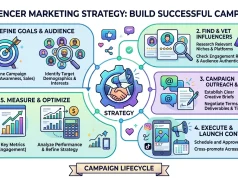
Influencer marketing has become a powerful part of modern marketing and branding strategies. It helps businesses reach larger audiences through trusted personalities on social media. Influencers already have loyal followers, so their recommendations can significantly increase brand awareness and credibility. Businesses can collaborate with influencers who match their target audience and brand values. This creates authentic promotion that feels more natural than traditional advertising. Choosing the right influencer is very important for success. Small businesses can also benefit from micro-influencers who often have higher engagement rates. Overall, influencer marketing strengthens marketing and branding efforts by building trust, expanding reach, and improving customer engagement in a more personal and relatable way.
Key Points
- Builds trust through authentic recommendations
- Expands brand reach quickly
- Works well with social media platforms
- Micro-influencers offer higher engagement
- Increases brand awareness and sales
| Type of Influencer | Audience Size | Cost Level | Engagement | Best For |
|---|---|---|---|---|
| Mega Influencer | Very Large | High | Medium | Big brands |
| Macro Influencer | Large | Medium | High | Product launches |
| Micro Influencer | Small-Medium | Low | Very High | Small businesses |
| Nano Influencer | Small | Very Low | High | Local marketing |
The Impact of SEO on Marketing and Branding
Search engine optimization is an important part of modern marketing and branding strategies. SEO helps businesses improve online visibility by making websites easier to find through search engines like Google. Higher search rankings increase website traffic and help businesses reach more potential customers. Companies should focus on using relevant keywords, optimizing website speed, and creating valuable content to improve SEO performance. Strong SEO strategies also support branding because customers often trust businesses that appear at the top of search results. Marketing and branding become more effective when businesses maintain high-quality websites that offer useful information and smooth user experiences. Investing in SEO allows companies to strengthen their digital presence, attract targeted audiences, and increase long-term business growth opportunities.
Measuring the Success of Marketing and Branding Campaigns
 Businesses should regularly measure the performance of their marketing and branding efforts to understand what works best. Tracking key performance indicators such as website traffic, social media engagement, customer retention, and conversion rates provides valuable insights. Analytics tools help businesses identify successful strategies and areas that need improvement. Companies should also gather customer feedback to understand audience preferences and expectations. Measuring campaign performance allows businesses to make informed decisions and improve future marketing efforts. Marketing and branding strategies become more effective when businesses use data to optimize content, advertisements, and customer experiences. Continuous evaluation helps companies stay competitive, adapt to changing market trends, and achieve better long-term results while maintaining strong relationships with their target audience.
Customer Experience in Marketing and Branding
Customer experience plays a vital role in shaping marketing and branding success. A positive experience encourages repeat purchases, loyalty, and word-of-mouth promotion. Businesses must focus on delivering smooth communication, fast support, and high-quality services. Every interaction a customer has with a brand influences how they perceive it. From website design to after-sales service, every detail matters. Strong marketing and branding strategies ensure that the customer experience remains consistent and satisfying. Companies should actively listen to customer feedback and make improvements accordingly. Personalized experiences also help businesses stand out from competitors. When customers feel valued, they are more likely to trust the brand and stay loyal, which leads to long-term business growth and a stronger brand reputation.
Key Points
- Improves customer loyalty and satisfaction
- Enhances brand reputation
- Encourages repeat purchases
- Builds emotional connection with customers
- Increases positive word-of-mouth
| Factor | Impact on Branding | Importance Level |
|---|---|---|
| Customer Support | Builds trust and loyalty | High |
| Website Experience | Improves engagement | High |
| Product Quality | Strengthens reputation | Very High |
| Response Time | Increases satisfaction | Medium |
| Personalization | Enhances connection | High |
Future Trends in Marketing and Branding
The future of marketing and branding continues to evolve with advances in technology and changing customer expectations. Artificial intelligence, personalized marketing, and interactive content are becoming increasingly important for businesses. Customers now expect brands to provide personalized experiences and meaningful engagement across digital platforms. Video content, voice search optimization, and influencer partnerships are also growing trends in the industry. Businesses that adapt to these changes can remain competitive and maintain strong customer relationships. Marketing and branding strategies should focus on innovation, authenticity, and customer experience to meet modern expectations. Companies that embrace new technologies and evolving communication methods will have greater opportunities to increase visibility, strengthen brand loyalty, and achieve sustainable growth in the future marketplace.
Conclusion
Marketing and branding are powerful tools that help businesses grow, attract customers, and build long-term success. Effective strategies improve visibility, strengthen customer trust, and create memorable brand experiences. Businesses that invest in consistent branding, quality content, digital marketing, and customer engagement can achieve stronger results in competitive markets. Understanding audience needs and adapting to changing trends are essential for maintaining growth and relevance. Strong marketing and branding efforts not only increase sales but also create loyal customer communities that support business success over time. By using the right strategies and continuously improving performance, businesses can establish a strong market presence and achieve sustainable growth in today’s fast-changing business environment.
Frequently Asked Questions
1. What is marketing and branding?
Marketing and branding are two connected business strategies. Marketing promotes products or services, while branding builds identity, trust, and recognition. Together, marketing and branding help businesses attract customers, improve visibility, and create long-term relationships with their target audience effectively.
2. Why are marketing and branding important for businesses?
Marketing and branding are important because they help businesses stand out in competitive markets. They increase customer awareness, build trust, and improve loyalty. Strong marketing and branding strategies also support sales growth and long-term success by creating a consistent business identity.
3. How does branding affect customer trust?
Branding directly influences customer trust by creating a consistent and professional image. When businesses maintain quality, clear messaging, and reliable service, customers feel confident. Strong marketing and branding efforts help build emotional connections that encourage repeat purchases and long-term loyalty.
4. What are the main types of marketing strategies?
Main marketing strategies include digital marketing, content marketing, social media marketing, email marketing, and influencer marketing. Each strategy supports marketing and branding in different ways by increasing visibility, engaging audiences, and improving conversions across multiple online and offline channels.
5. How does digital marketing support branding?
Digital marketing supports branding by increasing online visibility and engagement. It helps businesses connect with global audiences through websites, social media, and search engines. Strong marketing and branding strategies use digital platforms to build recognition, trust, and customer relationships effectively.
6. How can small businesses improve marketing and branding?
Small businesses can improve marketing and branding by focusing on consistency, customer engagement, and digital presence. Using social media, SEO, and content marketing helps them reach more people. A strong brand identity also helps build trust and compete with larger companies.
7. What are future trends in marketing and branding?
Future trends in marketing and branding include AI-driven marketing, personalized content, influencer collaboration, and video marketing. Businesses will focus more on customer experience and data-driven strategies. These trends help brands stay competitive and maintain strong audience connections in evolving markets.