

This blog explains how marketing and branding help businesses build identity, attract the right audience, increase trust, and grow consistently through strategies like storytelling, content marketing, visual identity, and customer engagement.
Marketing and branding are essential for building a strong business identity in today’s competitive world. They help businesses attract the right audience, build trust, and increase visibility across digital platforms. Effective marketing and branding combine strategy, creativity, and consistency to communicate value clearly. This blog explores smart ideas and practical methods to strengthen your brand and achieve long-term business growth.
Understanding Your Brand Identity
A strong foundation of marketing and branding starts with understanding your brand identity. It defines who you are as a business, what you represent, and how you want your audience to perceive you. A complete brand identity includes your mission, vision, tone of communication, and visual elements like logo and color palette. When these elements are clearly defined and consistently applied, customers can easily recognize and trust your business. Many companies struggle because they ignore identity building in the early stage. In effective marketing and branding, clarity and consistency are essential. A well-structured identity guides all marketing decisions, strengthens communication, and ensures your brand message stays aligned across every platform.
Knowing Your Target Audience
Successful marketing and branding heavily depend on understanding your target audience. You must clearly identify who your ideal customers are, what problems they face, and how your product or service can solve them. Studying demographics, behavior patterns, and customer preferences allows businesses to build more focused strategies. When branding is aligned with the right audience, engagement and conversion rates increase significantly. This connection builds trust and encourages long-term customer relationships. Without proper audience understanding, even strong marketing campaigns may fail to deliver results. That is why audience research is a core part of marketing and branding. It ensures your message reaches the right people at the right time with maximum relevance and impact.
Creating a Strong Visual Identity
 Visual identity plays a major role in marketing and branding because it forms the first impression of your business. It includes your logo, typography, color scheme, and overall design style. A strong visual identity makes your brand easily recognizable and memorable across all platforms. When customers repeatedly see consistent visuals on websites, social media, and advertisements, it builds familiarity and trust. Businesses that invest in professional and attractive design often gain a stronger competitive advantage. In marketing and branding, visuals are not just decoration; they communicate personality, values, and professionalism. A clean and consistent design helps your brand stand out and remain in the customer’s mind for a longer time.
Building a Consistent Brand Message
Consistency is a key element in marketing and branding that directly impacts how customers perceive your business. Your brand message should remain consistent across all platforms, including social media, websites, advertisements, and email campaigns. A unified message helps customers clearly understand what your brand stands for and what they can expect. If messaging is inconsistent, it can confuse your audience and reduce trust. Strong marketing and branding ensure that every piece of communication reflects your core values, tone, and identity. Whether you are promoting a product or sharing content, consistency builds credibility. Over time, it strengthens brand recognition and increases customer loyalty, making your business more reliable and trustworthy in the market.
Leveraging Social Media Marketing
Social media is a powerful tool in modern marketing and branding strategies. Platforms like Facebook, Instagram, LinkedIn, and TikTok allow businesses to reach a wide audience quickly and effectively. By posting engaging and valuable content, brands can build stronger relationships with their customers. Social media also plays a major role in increasing brand awareness and driving traffic to websites. The key is to remain active, consistent, and authentic in communication. In marketing and branding, social media is not only about promotion but also interaction. Engaging with followers, responding to comments, and sharing useful content helps build trust and community around your brand, making it more relatable and impactful.
Storytelling in Branding
 Storytelling is a powerful strategy in marketing and branding because it builds emotional connections with customers. Instead of focusing only on products or services, businesses can share their journey, purpose, and values. A strong brand story makes a company more relatable, human, and memorable. Customers are more likely to trust and support brands they emotionally connect with. In marketing and branding, storytelling also helps differentiate your business from competitors. It gives customers a clear understanding of why your brand exists and what makes it unique. A well-crafted story can turn ordinary customers into loyal supporters who believe in your mission and become long-term advocates for your brand.
Influencer Marketing for Brand Growth
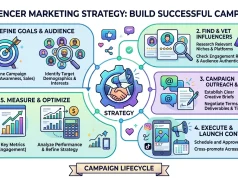
Influencer marketing is a modern strategy in marketing and branding that helps businesses reach a larger and more targeted audience. By collaborating with influencers, brands can build trust faster because audiences already trust the influencer’s opinion. This strategy is especially powerful on social media platforms. In marketing and branding, influencer partnerships help increase visibility, improve credibility, and drive more engagement. Choosing the right influencer aligned with your brand values is key to success.
Key Points:
- Builds trust through influencer credibility
- Expands brand reach quickly
- Improves social media engagement
- Helps target specific audiences
- Boosts brand awareness and sales
| Influencer Type | Audience Size | Best For Marketing and Branding Use |
|---|---|---|
| Nano Influencers | 1K–10K followers | High engagement, niche targeting |
| Micro Influencers | 10K–100K followers | Balanced reach and trust |
| Macro Influencers | 100K–1M followers | Large audience visibility |
| Mega Influencers | 1M+ followers | Mass brand awareness |
Building Customer Trust and Loyalty
Trust is the foundation of successful marketing and branding. Without trust, it is difficult to build long-term customer relationships. Businesses can build trust by delivering quality products, maintaining transparency, and providing excellent customer service. Positive reviews, testimonials, and real customer experiences also strengthen brand credibility. In marketing and branding, loyalty is achieved when customers repeatedly choose your brand over competitors. Strategies like reward programs, personalized communication, and consistent engagement help maintain strong relationships. When customers trust your brand, they not only return but also recommend it to others. This word-of-mouth growth becomes a powerful asset for business success and long-term stability in the market.
Content Marketing Strategy
 Content marketing is a vital part of marketing and branding that focuses on delivering value instead of direct selling. It includes blogs, videos, social media posts, infographics, and other educational content. High-quality content helps inform, educate, and engage audiences while subtly promoting the brand. In marketing and branding, content builds authority and positions a business as an industry expert. Consistent content creation improves search engine visibility and increases organic traffic over time. It also helps build stronger relationships with the audience by providing useful and relevant information. A well-planned content strategy ensures your brand stays visible, trusted, and valuable in the eyes of customers.
Email Marketing for Stronger Brand Connection
Email marketing is a highly effective part of marketing and branding that helps businesses build direct communication with their audience. It allows brands to stay connected with customers through personalized messages, updates, and offers. Unlike social media, email gives full control over communication and builds long-term engagement. In marketing and branding, email campaigns help nurture leads, increase conversions, and strengthen brand loyalty. When done correctly, it becomes a powerful tool for maintaining customer relationships and driving repeat business.
Key Points:
- Builds direct customer communication
- Increases brand loyalty and retention
- Helps in lead nurturing and conversion
- Cost-effective marketing strategy
- Supports personalized branding messages
| Strategy Type | Purpose | Benefit to Marketing and Branding |
|---|---|---|
| Welcome Emails | Introduce the brand to new users | Builds first impression |
| Promotional Emails | Share offers and discounts | Increases sales & engagement |
| Newsletter Emails | Provide updates and insights | Strengthens brand authority |
| Re-engagement Emails | Win back inactive users | Improves customer retention |
Measuring and Improving Performance
Measuring performance is essential in marketing and branding to understand what strategies are effective and what needs improvement. Businesses should track important metrics such as website traffic, engagement rates, conversion rates, and customer feedback. These insights help in making better decisions and improving marketing campaigns. In marketing and branding, continuous improvement is necessary for long-term success. Data analysis allows businesses to refine their strategies, focus on high-performing areas, and eliminate weak points. Regular evaluation ensures resources are used efficiently and goals are achieved effectively. Without tracking performance, it becomes difficult to grow, compete, and maintain a strong position in the market.
Conclusion
In conclusion, marketing and branding are essential elements for building a strong and successful business in today’s competitive market. They help create a clear identity, attract the right audience, and build long-term customer trust. When applied effectively, marketing and branding improve visibility, strengthen communication, and increase customer loyalty. From visual identity to storytelling and content strategy, every part plays a role in shaping how people perceive your business. Consistent effort and smart strategies in marketing and branding can turn a simple business into a powerful and recognizable brand that grows steadily over time.


[…] looking for broader ideas can also explore Smart Marketing and Branding Ideas to see how branding and marketing activities can work together to strengthen business […]