The era of polished, impersonal advertising is fading. To thrive today, businesses must leverage the authentic voices of the internet to build trust, drive engagement, and convert skepticism into loyalty.
This guide explores the transformative power of the creator economy. We detail How Brands Can Use Creator Marketing to access niche audiences, generate high-quality content at scale, and improve ROI. From defining strategy to avoiding common pitfalls, this article provides the roadmap for modern digital success.
Defining the Landscape: What is Creator Marketing?
In the rapidly evolving digital ecosystem, understanding How Brands Can Use Creator Marketing begins with a clear definition of the landscape. Creator marketing is a subset of digital marketing that involves collaborating with independent content creators—YouTubers, TikTokers, Instagrammers, streamers, and bloggers—to promote products or services. unlike traditional celebrity endorsements, which rely on fame, creator marketing relies on the creator’s ability to produce engaging content and their specific connection to a niche audience.
While the terms are often used interchangeably, there is a subtle but distinct difference between “influencer marketing” and “creator marketing.” Influencer marketing typically focuses on the “influence” or the ability to sway purchasing decisions based on status. Creator marketing, however, emphasizes the “creation”—the production of high-quality, entertaining, or educational assets. When exploring How Brands Can Use Creator Marketing, it is crucial to recognize that you are not just buying access to an audience; you are partnering with a creative professional who understands how to craft messages that resonate with their specific community.
The creator economy has exploded, democratizing media and allowing individuals to build massive, loyal followings based on shared interests—from gaming and beauty to finance and sustainability. For brands, this represents a shift from “interrupting” content with ads to “becoming” the content through partnerships. Understanding How Brands Can Use Creator Marketing effectively means respecting the creator’s craft and allowing them to translate your brand message into their unique voice.
The Strategic Importance of Creator Partnerships
Why is this strategy so vital in 2026? The answer lies in consumer trust. Modern consumers, particularly Gen Z and Millennials, have developed a form of “banner blindness” and skepticism toward corporate messaging. They trust people over logos. This shift in Consumer Brand Marketing necessitates a more human approach.
When analyzing How Brands Can Use Creator Marketing, the statistics are compelling. Engagement rates for creators often dwarf those of brand-owned channels. Furthermore, the content produced by creators often feels more authentic and less “salesy” than traditional studio-produced ads. This authenticity is the currency of the modern web. By integrating How Brands Can Use Creator Marketing into your broader Digital Marketing Strategies, you are essentially borrowing the social capital and trust that the creator has spent years building with their audience.
Benefits of Using Creator Marketing for Brands
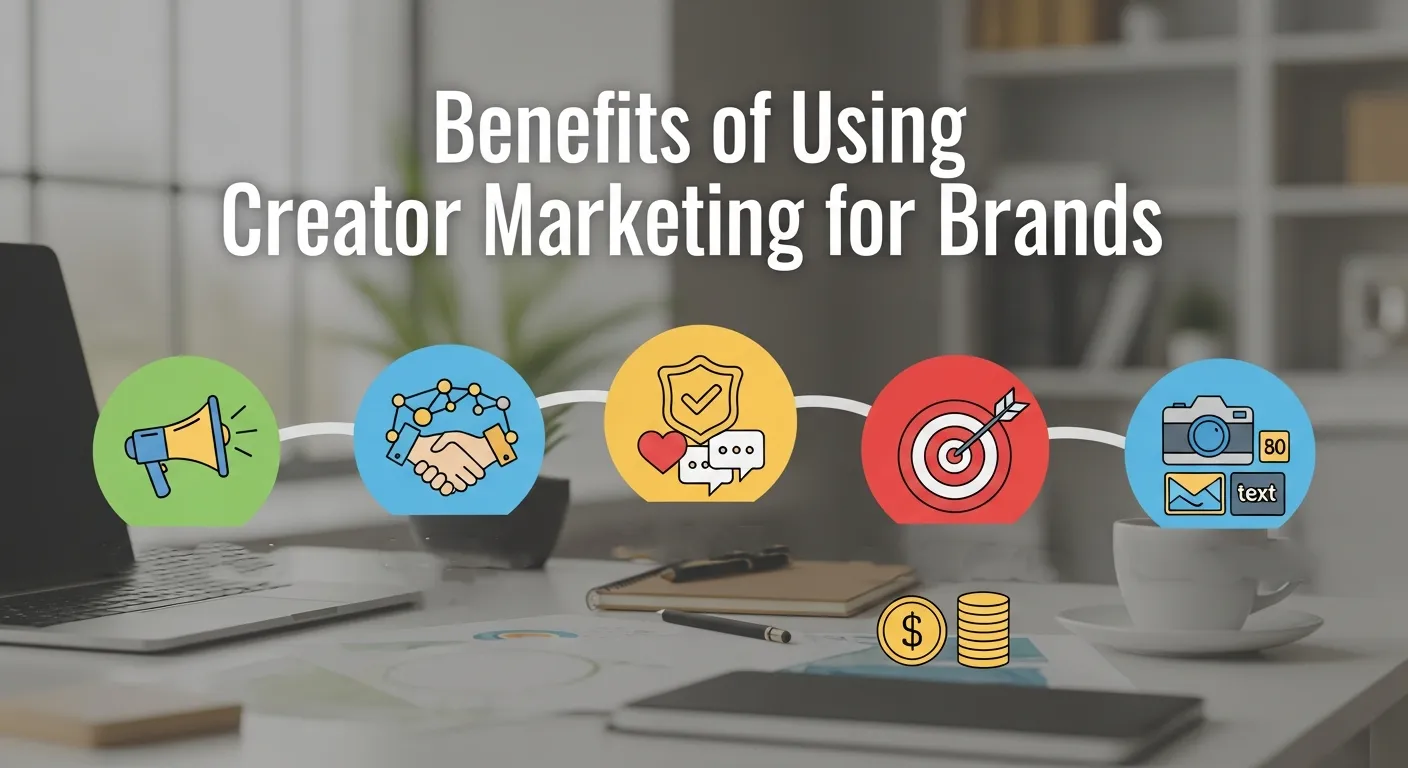
There are numerous reasons why savvy marketers are reallocating budgets toward the creator economy. Here are the primary benefits illustrating How Brands Can Use Creator Marketing to drive growth.
1. Authentic Storytelling and Trust
The most significant advantage is authenticity. Creators have a direct line to their audience’s hearts and minds. They know the language, the inside jokes, and the pain points of their community. When a brand integrates its message into a creator’s narrative, it benefits from the “halo effect” of that trust. Learning How Brands Can Use Creator Marketing allows you to bypass the skepticism barriers that block traditional ads.
2. High-Quality Content Production at Scale
Creating content is expensive and time-consuming. Brands often struggle to keep up with the demand for fresh visuals on TikTok, Instagram Reels, and YouTube Shorts. One of the smartest ways regarding How Brands Can Use Creator Marketing is treating creators as an external production house. Instead of hiring a studio, lighting crew, and actors, you hire a creator who can shoot, edit, and star in the content themselves. This is often more cost-effective and results in assets that feel native to the platform.
3. Access to Niche, Highly Engaged Audiences
Traditional advertising often relies on broad demographics. Creator marketing allows for psychographic targeting. Whether you are selling vegan leather boots or enterprise software, there is a creator with an audience specifically interested in that niche. Mastering How Brands Can Use Creator Marketing involves identifying these micro-communities. A creator with 50,000 highly engaged followers in a specific niche often delivers a better ROI of Influencer Marketing than a celebrity with 5 million passive followers.
4. Boosted SEO and Online Presence
Creator collaborations can significantly impact your search engine visibility. When creators link to your website, mention your brand in blogs, or create YouTube videos with your keywords, it generates valuable backlinks and social signals. This is a critical aspect of How Brands Can Use Creator Marketing to support your broader SEO efforts. Reviews and unboxing videos on YouTube, for example, often rank highly in Google search results for product queries.
5. Social Proof and Validation
Social proof is a psychological phenomenon where people copy the actions of others in an attempt to undertake behavior in a given situation. When a creator uses and endorses your product, it serves as a powerful validation. It signals to the audience that the product is worth their time and money. This is why How Brands Can Use Creator Marketing is so effective for new product launches or Brand Awareness in Marketing.
Steps to Build a Successful Creator Marketing Strategy
Implementing a campaign requires more than just sending free products to random Instagrammers. To truly understand How Brands Can Use Creator Marketing, you need a structured, data-driven approach.
Step 1: Define Clear Objectives and KPIs
Before you reach out to a single creator, you must know what you want to achieve. Are you looking for Brand Awareness in Marketing, direct sales, content creation, or website traffic?
- Awareness: Track impressions, reach, and views.
- Engagement: Track likes, comments, shares, and saves.
- Conversion: Track clicks, sales, and CPA (Cost Per Acquisition).
Defining these goals early will dictate How Brands Can Use Creator Marketing in your specific context and help you measure success accurately.
Step 2: Identify Your Target Audience and Platform
Where does your audience hang out? How Brands Can Use Creator Marketing on LinkedIn looks very different from how they use it on TikTok.
- Gen Z: TikTok, YouTube Shorts, Twitch.
- Millennials: Instagram, YouTube, Podcasts.
- Professionals/B2B: LinkedIn, Twitter (X), Substack.
Understanding the nuances of each platform is essential. For instance, How Brands Can Use Creator Marketing on TikTok requires a raw, unpolished aesthetic, whereas Instagram often demands higher visual fidelity.
Step 3: Find and Vet the Right Creators
This is the most critical step. You need creators who align with your Brand Personality In Marketing. Don’t just look at follower count; look at engagement rates and audience sentiment.
- Brand Safety: Ensure the creator hasn’t been involved in controversies that conflict with your values. Brand Safety in Digital Marketing is paramount.
- Relevance: Does their content style match your product?
- Authenticity: Do they have a history of genuine partnerships, or is their feed just a catalogue of ads?
Tools like Grin, Upfluence, or Tagger can help you scale How Brands Can Use Creator Marketing by providing data on creator demographics and performance.
Step 4: Craft a Compelling Brief (but Trust the Creator)
One of the biggest mistakes in How Brands Can Use Creator Marketing is over-scripting. You are hiring them for their creativity, so let them use it. Provide a brief that outlines:
- Key Messages: The “must-haves” regarding product features.
- Do’s and Don’ts: Specific compliance or brand safety guidelines.
- Deliverables: Number of posts, format, and timeline.
However, leave the “how” up to them. The best examples of How Brands Can Use Creator Marketing happen when the brand loosens the reins and allows the creator to integrate the product into their usual content style.
Step 5: Negotiate Fair Compensation and Rights
Creator marketing is a professional service. Compensation can be flat fees, affiliate commissions, or a hybrid model. Furthermore, discuss usage rights. If you want to whitelist their content (run ads through their handle) or reuse their video on your website, you need to negotiate those rights upfront. This is a technical aspect of How Brands Can Use Creator Marketing that often gets overlooked.
Step 6: Measure, Analyze, and Iterate
Once the campaign is live, monitor the data. Use UTM parameters and unique discount codes to track conversions. Analyzing How Brands Can Use Creator Marketing through data allows you to see which creators performed best, which formats drove the most sales, and where you can optimize for the next campaign.
Integrating Creator Content into the Marketing Mix

How Brands Can Use Creator Marketing shouldn’t be a siloed effort. It works best when integrated into your holistic marketing strategy.
1. Integrated Brand Promotion
Use creator content in your email marketing, on your product pages, and in your paid ads. This is known as Integrated Brand Promotion. Showing a creator’s testimonial in a Facebook ad often lowers CPA significantly compared to a generic studio shot.
2. Enhancing Social Commerce
Platforms like TikTok Shop and Instagram Shopping rely heavily on creators. How Brands Can Use Creator Marketing in social commerce involves creators tagging products directly in their videos, allowing viewers to purchase without leaving the app. This reduces friction and increases conversion rates.
3. Long-Term Ambassadorships
Move beyond one-off posts. The most effective version of How Brands Can Use Creator Marketing is building long-term relationships where the creator becomes a true brand ambassador. This repetition builds stronger association and trust over time.
Examples of Successful Creator Marketing Campaigns
To better understand How Brands Can Use Creator Marketing, let’s look at how leading companies execute this strategy.
Dunkin’ and Charli D’Amelio
Dunkin’ partnered with TikTok megastar Charli D’Amelio to launch “The Charli,” a cold brew drink. This is a prime example of How Brands Can Use Creator Marketing to tap into a younger demographic. The campaign resulted in a massive spike in app downloads and sales, proving that aligning with the right creator can revitalize a legacy brand’s relevance.
Gymshark’s Community Building
Gymshark built a billion-dollar empire almost exclusively through creator marketing. They didn’t just pay for posts; they sponsored athletes and created a community. This illustrates How Brands Can Use Creator Marketing not just for ads, but to build a lifestyle and identity around the brand. They utilized Influencer Marketing to turn customers into fans.
Audible and Micro-Influencers
Audible sponsors a vast array of YouTubers and podcasters across niche genres—from true crime to history. By giving creators a unique URL (audible.com/creatorname), they can track exactly How Brands Can Use Creator Marketing to drive sign-ups across diverse interest groups. This performance-based approach ensures ROI is always positive.
The Role of Different Platforms
How Brands Can Use Creator Marketing varies drastically by platform.
- YouTube: Best for long-form, in-depth reviews, tutorials, and storytelling. Great for high-consideration products.
- TikTok: Best for virality, trends, brand awareness, and impulse buys (low consideration).
- Instagram: Best for lifestyle, beauty, fashion, and visual appeal. Stories are great for direct clicks.
- Twitch: Best for gaming, tech, and reaching a male-dominated, highly engaged live audience.
- LinkedIn: Increasing relevance for B2B. How Brands Can Use Creator Marketing here focuses on thought leadership and professional services.
Common Mistakes to Avoid
Even with the best intentions, brands can falter. Here are common pitfalls when learning How Brands Can Use Creator Marketing.
1. Treating Creators Like Billboards
Creators are not ad space; they are people with a community. Forcing them to read a robotic script is the fastest way to kill campaign performance. To master How Brands Can Use Creator Marketing, you must respect the creator’s voice.
2. Focusing Only on Follower Count
A creator with 1 million followers and 0.5% engagement is worthless compared to one with 50k followers and 10% engagement. Vanity metrics deceive brands. How Brands Can Use Creator Marketing effectively requires looking at “real” influence—comments, shares, and community sentiment.
3. Ignoring Disclosure Rules
The FTC (and global equivalents) requires clear disclosure of paid partnerships (#ad, #sponsored). Ignoring this risks legal trouble and damages trust. Brand Safety in Digital Marketing includes legal compliance.
4. Lack of Clear Contracts
Handshake deals don’t work in professional marketing. Ensure you have contracts covering usage rights, exclusivity, and payment terms. Understanding How Brands Can Use Creator Marketing means treating it as a legitimate business transaction.
5. One-and-Done Thinking
Marketing takes repetition. Doing one post and expecting the world to change is unrealistic. How Brands Can Use Creator Marketing works best as an “always-on” strategy, keeping the brand top-of-mind consistently.
The Future of Creator Marketing: Trends to Watch
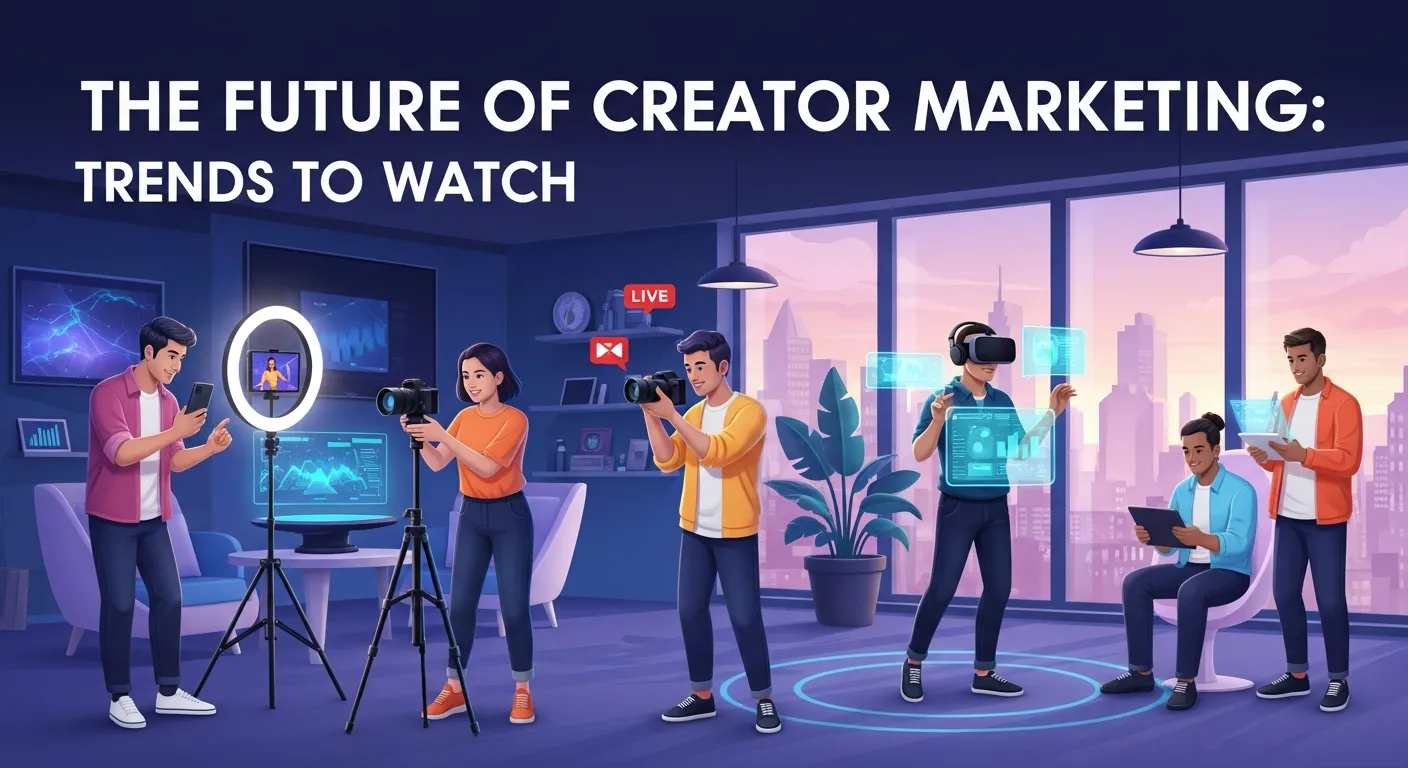
As we look toward the future, How Brands Can Use Creator Marketing will continue to evolve.
- AI and Virtual Influencers: We are seeing the rise of AI-generated creators. While they lack human authenticity, they offer total brand control.
- The Rise of UGC Creators: Brands are hiring creators specifically to make User Generated Content (UGC) for the brand’s own channels, without the creator even posting it to their own feed. This is a cost-effective way to get native-looking content.
- Creator-Led Brands: Creators are launching their own competitors (e.g., MrBeast Burger, Prime). Brands need to understand How Brands Can Use Creator Marketing to collaborate with these creator-entrepreneurs rather than just compete with them.
Maximizing ROI: The Financials of Creator Marketing
Ultimately, businesses need to know the bottom line. How Brands Can Use Creator Marketing to generate profit involves tracking the right metrics.
- Cost Per Mille (CPM): How much does it cost to reach 1,000 people?
- Cost Per Engagement (CPE): How much for every like or comment?
- Return on Ad Spend (ROAS): If you put $1 into a creator, how much do you get back?
By rigorously analyzing these financial metrics, you can refine your understanding of How Brands Can Use Creator Marketing and ensure it remains a profitable channel.
Conclusion
Understanding How Brands Can Use Creator Marketing is no longer a luxury; it is a necessity for modern relevance. By pivoting from a brand-centric monologue to a creator-led dialogue, businesses can unlock unparalleled levels of trust, creativity, and engagement. The key lies in strategic selection, creative freedom, and data-driven optimization. When executed correctly, creator marketing transforms customers into communities and passive viewers into active advocates.
FAQs
1. What is the difference between an influencer and a creator?
While the terms overlap, “influencer” usually refers to someone whose value lies in their status and ability to sway lifestyle choices. “Creator” emphasizes the ability to produce high-quality content (video, photo, writing). When asking How Brands Can Use Creator Marketing, the focus is often on the content asset itself as much as the audience reach.
2. How much does creator marketing cost?
Costs vary wildly based on platform, follower count, and engagement. A nano-influencer might accept free product or $100, while a celebrity creator could charge $50,000+ per post. Understanding How Brands Can Use Creator Marketing involves budgeting for both the creator’s fee and the potential ad spend to boost their content.
3. How do I measure the ROI of a creator campaign?
Use trackable links (UTMs), unique discount codes, and affiliate platforms. Monitor direct sales, website traffic spikes, and social engagement growth. To truly understand How Brands Can Use Creator Marketing for ROI, compare these costs against your standard Facebook or Google Ad CPAs.
4. Should I give creators creative freedom?
Yes. Over-scripting is a major error. You are hiring them because they know how to talk to their audience. Provide key talking points and brand safety guidelines, but let them choose the delivery method. This is a golden rule in How Brands Can Use Creator Marketing.
5. What platforms are best for B2B brands?
LinkedIn is the primary channel, but YouTube and Twitter (X) are also powerful. Podcasts are exceptional for B2B as well. How Brands Can Use Creator Marketing in B2B often involves partnering with industry thought leaders or “edu-tainers” who simplify complex business topics.
6. How do I find the right creators for my brand?
Start by looking at who is already talking about you or your industry. Use hashtags to find niche communities. You can also use creator marketplaces like Grin, Aspire, or Tagger to filter by demographics. Finding the right fit is the most crucial step in How Brands Can Use Creator Marketing.
7. What is “whitelisting” in creator marketing?
Whitelisting (or allowlisting) is when a creator grants a brand permission to run paid ads through the creator’s own social media handle. This often performs better than ads from a corporate brand handle. It is a sophisticated tactic in How Brands Can Use Creator Marketing.
8. Is creator marketing safe for my brand?
It carries risks, but they can be managed. Vet creators thoroughly for past controversies. Use contracts with “morality clauses” that allow you to sever ties if they behave inappropriately. Brand Safety in Digital Marketing is essential when learning How Brands Can Use Creator Marketing.
9. Can I use creator content on my website?
Only if you negotiate usage rights. Standard agreements often just cover the post on their channel. If you want to use it on your homepage or in an email, you must include that in the contract. This is a key legal aspect of How Brands Can Use Creator Marketing.
10. How long does it take to set up a campaign?
A simple seeding campaign (sending product) can take 2-4 weeks. A complex, integrated partnership might take 2-3 months of negotiation, briefing, production, and approval. Planning ahead is vital for mastering How Brands Can Use Creator Marketing.