Building an iconic brand requires more than a memorable logo. What is the Big 5 Model of Brand Management? It’s a strategic framework for creating deep, lasting connections with consumers.
This model dissects brand identity into five core pillars: Brand Personality, Emotional Connection, Brand Experience, Brand Value, and Brand Positioning. Understanding what the Big 5 Model of Brand Management is empowers marketers to move beyond surface-level tactics and build a truly resonant and profitable brand.
Deconstructing the Core Question: What Is the Big 5 Model of Brand Management?
In the vast and often complex world of marketing, frameworks provide clarity and direction. The Big 5 Model of Brand Management is one such guide, offering a structured approach to building a brand that is not only recognized but also deeply valued by its audience. While the term might not be as universally cited as Aaker’s Brand Equity Model or Keller’s CBBE Model, its principles are an amalgamation of modern branding best practices. To fully grasp what is the Big 5 Model of Brand Management, one must understand that it synthesizes critical elements that transform a product or service into a powerful brand asset.
This model posits that a brand’s strength is built upon five interconnected pillars. Each pillar represents a distinct facet of the brand’s relationship with its consumers, and mastery of all five is essential for long-term success. Think of it as a blueprint for creating a brand that is robust, resilient, and relatable. The framework provides a comprehensive answer to the question, “What is the Big 5 Model of Brand Management?” by breaking it down into actionable components:
- Brand Personality: Giving your brand human-like characteristics.
- Emotional Connection: Forging a bond with consumers on an emotional level.
- Brand Experience: Shaping every interaction a customer has with your brand.
- Brand Value: Articulating the tangible and intangible benefits you offer.
- Brand Positioning: Defining your unique space in the market.
By examining each of these pillars in detail, we can build a comprehensive understanding of what the Big 5 Model of Brand Management is and how it serves as a powerful tool for marketers, strategists, and business owners. It’s a strategic approach that shifts the focus from simple transactions to building holistic brand relationships.
Pillar 1: Brand Personality – The Human Soul of Your Brand
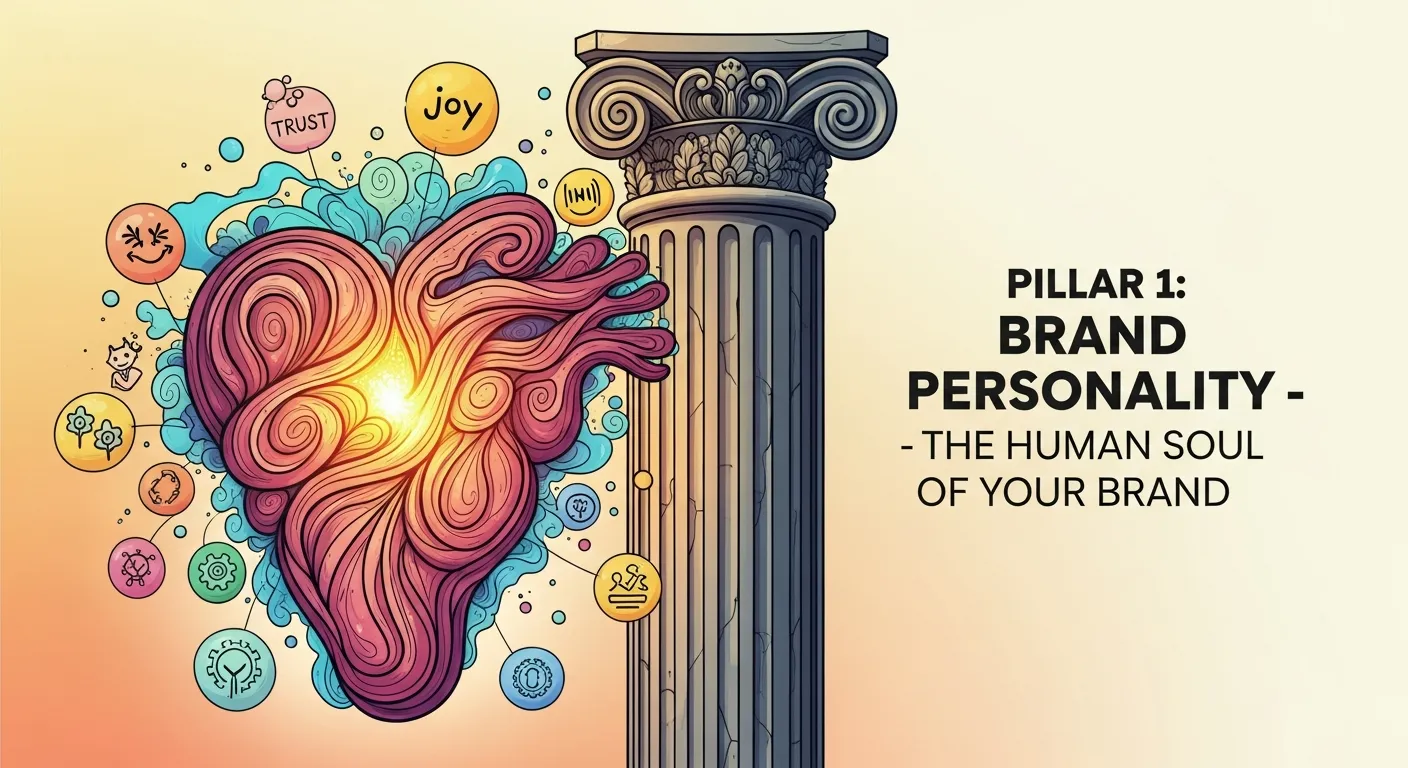
At the heart of what is the Big 5 Model of Brand Management lies the concept of Brand Personality. This is the process of attributing human traits and characteristics to a brand. It’s what makes a brand feel like a “friend” rather than a faceless corporation. A well-defined Brand Personality helps consumers connect with the brand on a more personal level, fostering loyalty and differentiation.
Drawing inspiration from Jennifer Aaker’s “Dimensions of Brand Personality,” this pillar is often broken down into five core dimensions:
- Sincerity: Down-to-earth, honest, wholesome, and cheerful. (e.g., Dove, TOMS Shoes)
- Excitement: Daring, spirited, imaginative, and up-to-date. (e.g., Red Bull, Tesla)
- Competence: Reliable, intelligent, and successful. (e.g., Google, Microsoft)
- Sophistication: Upper-class, charming, glamorous, and refined. (e.g., Rolex, Mercedes-Benz)
- Ruggedness: Outdoorsy, tough, and masculine. (e.g., Jeep, Harley-Davidson)
Crafting a Compelling Brand Personality
Developing a Brand Personality is a deliberate act of brand management. It’s not about what you sell, but how you present yourself to the world. Understanding this is fundamental to understanding what is the Big 5 Model of Brand Management.
- Define Your Brand Archetype: Brand Archetypes, based on Carl Jung’s psychological archetypes, provide a powerful shortcut to defining personality. Are you a Hero like Nike, a Sage like Harvard, or an Outlaw like Virgin? This choice informs your Brand Voice and storytelling.
- Develop a Consistent Brand Voice: Your Brand Voice is the uniform way you speak to your audience across all channels—from website copy to social media captions. Is it witty and informal, or authoritative and professional? This voice must consistently reflect your chosen personality. For example, the playful and slightly irreverent tone of Old Spice is a masterclass in consistent Brand Voice.
- Use Visuals to Reinforce Personality: The Psychology of Color in Branding plays a huge role here. The vibrant, energetic colors used by Fanta scream “Excitement,” while the muted, earthy tones of a brand like Patagonia convey “Sincerity” and “Ruggedness.” Your logo, typography, and imagery must all align with your desired personality.
Implementing this pillar requires a deep dive into your brand’s core purpose and values. When you answer what is the Big 5 Model of Brand Management, you must emphasize that Brand Personality is the foundation upon which emotional connections are built. Without a clear personality, a brand is just a commodity.
Pillar 2: Emotional Connection – Beyond a Transactional Relationship

The second pillar that explains what is the Big 5 Model of Brand Management is the creation of an Emotional Branding strategy. This pillar focuses on moving beyond the functional benefits of a product to forge a deep, psychological bond with the consumer. People make decisions based on emotion and justify them with logic. Powerful brands understand this and tap into fundamental human feelings.
Think of Apple. Customers don’t just buy a phone; they buy into a feeling of creativity, innovation, and belonging. Coca-Cola doesn’t just sell a soft drink; it sells happiness and togetherness. This is Emotional Branding in action. It’s about making your audience feel something.
Techniques for Building Emotional Connections
- Mastering Brand Storytelling: Every brand has a story. Whether it’s the founder’s journey, the problem your product solves, or the impact you have on your community, stories create empathy. Patagonia’s commitment to environmental activism is woven into every piece of its brand storytelling, creating a powerful emotional connection with its eco-conscious customers. This is a critical component of what the Big 5 Model of Brand Management is.
- Leveraging Nostalgia in Digital Branding: Nostalgia is a potent emotional trigger. Brands like Nintendo and LEGO frequently tap into childhood memories to create warm feelings and rekindle connections with older audiences. A limited-edition release of a classic product can ignite powerful feelings of joy and sentimentality.
- Building a Brand Community on Social Media: Create spaces where your customers can connect with you and, more importantly, with each other. A thriving Facebook group or a dedicated subreddit can make customers feel like they are part of a tribe. This sense of belonging is a powerful emotional driver and a core tenet of modern brand management.
Neuromarketing techniques offer insights into how the brain responds to different stimuli. Using certain colors, sounds (the Power of Sonic Branding), or even scents (Sensory Branding) can subconsciously influence how a customer feels about your brand. Truly understanding what is the Big 5 Model of Brand Management means recognizing that these emotional connections are what lead to unshakable brand loyalty and advocacy.
Pillar 3: Brand Experience (BX) – Every Touchpoint Matters

The third pillar of what is the Big 5 Model of Brand Management is the Brand Experience. This encompasses every single interaction a customer has with your brand, from the first ad they see to the post-purchase support they receive. In today’s market, a great product is not enough. The experience surrounding that product is often the key differentiator.
A superior Brand Experience is seamless, consistent, and delightful across all touchpoints. It reinforces the brand’s personality and promise at every turn. Think of the seamless User Experience (UX) and Branding of a company like Amazon. From its one-click ordering to its hassle-free returns, every step is designed for customer convenience, reinforcing its brand promise of being “Earth’s most customer-centric company.”
Designing an Unforgettable Brand Experience
- Customer Journey Mapping: The first step is to map out every possible interaction point a customer has with your brand. This includes your website, social media, physical store, customer service calls, packaging, and the product itself. Identifying these touchpoints allows you to optimize each one for a consistent and positive experience.
- Building Brand Consistency Across Digital and Physical Touchpoints: The look, feel, and tone of your brand must be the same everywhere. The colors on your website should match the decor in your store. The friendly tone of your social media manager should be echoed by your call center staff. This Brand Consistency builds trust and recognition. It is a non-negotiable aspect of what the Big 5 Model of Brand Management is.
- Embracing Omnichannel Personalization: Customers expect brands to know them. An omnichannel approach integrates different channels to provide a unified experience. For example, a customer might browse a product on their phone, add it to their cart on their laptop, and then receive a targeted ad on social media. This Hyper-Personalized Branding makes the customer feel seen and valued.
- Internal Branding: A great Brand Experience starts from within. Internal Branding involves turning your employees into your most powerful brand ambassadors. When employees believe in the brand and understand its promise, they are better equipped to deliver that promise to customers.
What is the Big 5 Model of Brand Management? It’s a recognition that the experience is the brand. A negative experience at any single touchpoint can unravel all the hard work put into advertising and product development. Conversely, a series of positive micro-moments can build unshakeable loyalty.
Pillar 4: Brand Value – The Promise You Keep

The fourth pillar answering what is the Big 5 Model of Brand Management is Brand Value. This isn’t just about price; it’s about the holistic value proposition. It’s the sum of all the benefits a customer receives from your brand. This includes functional benefits (the product works well), emotional benefits (it makes me feel good), and self-expressive benefits (it says something about who I am).
Brand Equity in Marketing is the commercial value that derives from consumer perception of the brand name, rather than from the product or service itself. High brand equity allows you to command premium prices, enjoy greater customer loyalty, and launch new products more successfully (Brand Extension). Brand Value is the promise you make to the customer, and Brand Equity is the value of keeping that promise over time.
Defining and Communicating Your Brand Value
- Value-Based Brand Positioning: Instead of competing on price, define your value based on the unique benefits you offer. Volvo doesn’t compete to be the cheapest car; it positions itself based on the value of safety. This focus on a core value provides clarity and attracts the right customers.
- Articulating Functional Benefits: Clearly communicate what your product does and how it solves a problem. This is the baseline expectation. Your product must be reliable and effective.
- Highlighting Emotional and Self-Expressive Benefits: This is where strong brands pull away from the competition. A person buys a Patagonia jacket not just for warmth (functional), but because it makes them feel like an environmentally conscious adventurer (emotional and self-expressive). Your marketing messages must communicate these higher-level benefits.
- Measuring Brand Equity KPIs: To manage Brand Value, you must measure it. Key Performance Indicators (KPIs) include:
-
- Brand Awareness: How familiar are people with your brand? (Measured through surveys and social listening)
- Brand Perception: What do people think of your brand? (Measured through sentiment analysis and focus groups)
- Customer Loyalty: What is your customer retention rate and Net Promoter Score (NPS)?
Answering “What is the Big 5 Model of Brand Management?” requires a clear understanding that value is a perception in the customer’s mind. Your job is to shape and reinforce that perception through every action your brand takes.
|
Brand Value Component |
Description |
Example |
|---|---|---|
|
Functional Value |
The tangible, practical benefits of the product or service. Solves a specific problem. |
A Dyson vacuum has superior suction power that cleans carpets effectively. |
|
Emotional Value |
The feelings a customer gets from owning or using the brand. |
Wearing a Nike product makes an athlete feel empowered and ready to “Just Do It.” |
|
Self-Expressive Value |
How the brand helps a customer express their identity, status, or beliefs. |
Driving a Tesla signals a commitment to innovation, technology, and sustainability. |
|
Social Value |
How the brand facilitates social connections or a sense of community. |
Owning a Peloton bike connects you to a global community of fitness enthusiasts. |
Pillar 5: Brand Positioning – Owning a Space in the Mind

The final pillar of what is the Big 5 Model of Brand Management is Brand Positioning. This is the strategic act of defining how you want your brand to be perceived in relation to your competitors. It’s about carving out a unique and valuable space in the consumer’s mind. If you don’t intentionally position your brand, the market will position it for you.
A strong positioning strategy answers three key questions:
- Who is your target audience?
- What is your unique value proposition?
- Why should they believe you? (Your reasons to believe/proof points)
How to Create Strong Brand Positioning in Your Market
- Conduct a Competitive Brand Analysis: You cannot be unique if you don’t know what everyone else is doing. Analyze your competitors’ positioning, messaging, and target audience to find a gap in the market. Where are they weak? What needs are they not meeting?
- Craft a Brand Positioning Statement: This is a concise internal document that articulates your positioning. The classic template is: “For [target audience], [brand name] is the [frame of reference/category] that [unique value proposition] because [reasons to believe].” For example: “For socially conscious consumers, TOMS is the footwear brand that gives back to communities in need, because for every pair of shoes sold, we donate a pair to a child.”
- Ensure Brand Distinctiveness and Salience: Positioning isn’t just about being different; it’s about being distinctively memorable. Salience means your brand comes to mind easily in a buying situation. This is achieved through consistent use of brand assets like logos, colors, jingles (Sonic Branding), and taglines.
- Align Marketing and Branding: Your Brand Positioning must guide all your marketing efforts. Every ad campaign, social media post, and piece of Branded Content Marketing should reinforce your desired position in the market. This is where Branding vs. Marketing becomes a synergistic partnership. Branding sets the strategy; marketing executes it.
Ultimately, what is the Big 5 Model of Brand Management? It is a holistic system where Brand Positioning acts as the strategic glue that holds the other four pillars together, ensuring they are all working towards the same goal: to create a clear, compelling, and unique identity in the marketplace.
Conclusion
So, what is the Big 5 Model of Brand Management? It is a comprehensive roadmap for building a brand that transcends its product category. By meticulously crafting a unique Brand Personality, forging genuine Emotional Connections, designing a seamless Brand Experience, delivering undeniable Brand Value, and cementing a clear Brand Positioning, you create a powerful and enduring asset. This model provides the structure needed to move from fragmented tactics to a unified, strategic approach that wins hearts, minds, and market share.
Frequently Asked Questions (FAQs)
1. How does the Big 5 Model differ from other brand management frameworks?
While frameworks like Keller’s CBBE Model focus heavily on a pyramid structure of customer-based brand equity, the Big 5 Model provides a more holistic, pillar-based view that equally weights personality, experience, and emotion alongside value and positioning. It’s less of a linear progression and more of an interconnected system, making it highly practical for cross-functional teams looking to align their efforts.
2. Can this model be applied to a personal brand?
Absolutely. Personal Branding for CEOs or influencers follows the same principles. Your Personal Brand Strategy would involve defining your personality (are you a knowledgeable expert or a relatable guide?), building emotional connections with your audience through authentic content, managing the experience people have when they interact with you, articulating your unique value (what knowledge or skills do you offer?), and positioning yourself as a go-to expert in your niche.
3. What is the role of digital marketing in the Big 5 Model?
Digital marketing strategies are the primary tools for executing the Big 5 Model today. Social media is used to express Brand Personality and build community (Emotional Connection). Your website and app are core components of the Brand Experience. Content marketing and SEO communicate Brand Value, and targeted advertising helps solidify Brand Positioning.
4. How do I measure the success of implementing this model
Success is measured through a combination of Brand Equity KPIs and business metrics. You can track brand health through surveys on Brand Perception and awareness. Monitor customer engagement metrics on social media, website analytics for User Experience, and Net Promoter Score (NPS) for loyalty. Ultimately, successful implementation should lead to increased market share, higher customer lifetime value, and improved profitability.
5. How does Brand Storytelling fit into the Big 5 Model?
Mastering Brand Storytelling is not a separate activity; it’s a technique used across multiple pillars. It’s the primary way to communicate your Brand Personality, forge Emotional Connections, and articulate your Brand Value. A compelling story can be woven into your website (Brand Experience) and advertising campaigns to reinforce your Brand Positioning.
6. What is the difference between Brand Personality and Brand Voice?
Brand Personality is the high-level strategic definition of your brand’s human characteristics (e.g., “we are witty, daring, and innovative”). What is Brand Voice in Marketing? It is the tactical application of that personality in written and spoken communication. It’s the specific word choice, tone, and sentence structure you use to bring the personality to life.
7. How important is Brand Consistency within this model?
Brand Consistency is the golden rule that underpins the entire model. Each of the five pillars must be aligned. Your sophisticated Brand Personality will be undermined by a clunky Brand Experience or a value proposition based on being the cheapest. Consistency across all touchpoints builds trust and makes your brand reliable and recognizable.
8. Can a brand change its position within the Big 5 Model over time?
Yes, this is known as a Brand Refresh or, more dramatically, rebranding. As markets evolve and consumer preferences change, a brand may need to update its personality, experience, or positioning. However, this should be done strategically and carefully to avoid alienating its existing loyal customer base. Rebranding case studies often show that successful pivots are evolutions, not complete revolutions.
9. How do Sustainable Branding Strategies fit into the model?
Sustainable Branding Strategies are a powerful way to enhance several pillars. A commitment to sustainability can be a core part of your Brand Personality (Sincerity, Competence), create a strong Emotional Connection with eco-conscious consumers, be a key differentiator in your Brand Positioning, and add significant ethical and social Brand Value.
10. What is the most challenging pillar to implement?
While all pillars require effort, many marketers find Brand Experience the most challenging. It requires coordinating every single department in the company—from R&D and marketing to sales and customer service—to ensure every touchpoint is perfectly aligned with the brand promise. It’s an ongoing operational commitment, not a one-time marketing campaign. This challenge is central to understanding what is the Big 5 Model of Brand Management in practice.