
Navigating a career in brand marketing requires understanding its potential earnings. This guide explores the key salary insights to help you gauge your worth in this dynamic field.
This article provides a deep dive into the salaries of brand marketers. We explore compensation across different experience levels, industries, and locations, analyzing what factors influence how much brand marketers make. You’ll find data-backed insights to understand your earning potential in this exciting career.
Unpacking the Earnings of a Brand Marketer
A career in brand marketing is both creatively fulfilling and financially rewarding. As companies increasingly recognize the value of a strong brand identity, the demand for skilled professionals who can build and manage it has surged. This has a direct impact on the compensation packages offered. But the question remains: exactly how much do brand marketers make? The answer is not straightforward, as salaries can vary significantly based on a multitude of factors.
This comprehensive guide will dissect the salary landscape for brand marketers in 2026. We will explore everything from entry-level associate roles to senior brand director positions, analyzing how experience, geographic location, industry, company size, and specific skills influence earning potential. By understanding these variables, you can better position yourself for salary negotiations, career advancement, and long-term success. We will investigate what it takes to climb the ladder and what you can expect in terms of financial growth throughout your brand marketing journey.
What Does a Brand Marketer Do?

Before we delve into the numbers, it’s crucial to understand the role itself. A brand marketer is a strategic thinker responsible for shaping a company’s public image and voice. Their work goes beyond simple advertising; it’s about creating a cohesive and compelling narrative that resonates with consumers.
Key responsibilities often include:
- Developing Brand Strategy: Crafting the core message, tone, and personality of the brand. This involves defining the brand’s purpose and values.
- Market Research: Analyzing consumer trends, competitive landscapes, and market opportunities to inform brand positioning.
- Managing Brand Perception: Monitoring how the public views the brand and implementing strategies to improve or maintain a positive brand perception in marketing.
- Campaign Execution: Overseeing the creation and implementation of marketing campaigns across various channels, including digital and traditional media.
- Content Creation: Directing the development of branded content, from social media posts to website copy, ensuring it aligns with the brand voice.
- Building Brand Equity: Implementing initiatives that increase the value and recognition of the brand over time.
- Collaboration: Working closely with product development, sales, and public relations teams to ensure brand consistency across all touchpoints.
The complexity of these duties directly correlates with compensation. A professional who can successfully manage these tasks and demonstrate a clear return on investment is a valuable asset, and their salary reflects that. Understanding the breadth of this role is the first step in appreciating why determining how much do brand marketers make involves looking at many different variables.
Average Brand Marketer Salaries: A National Overview
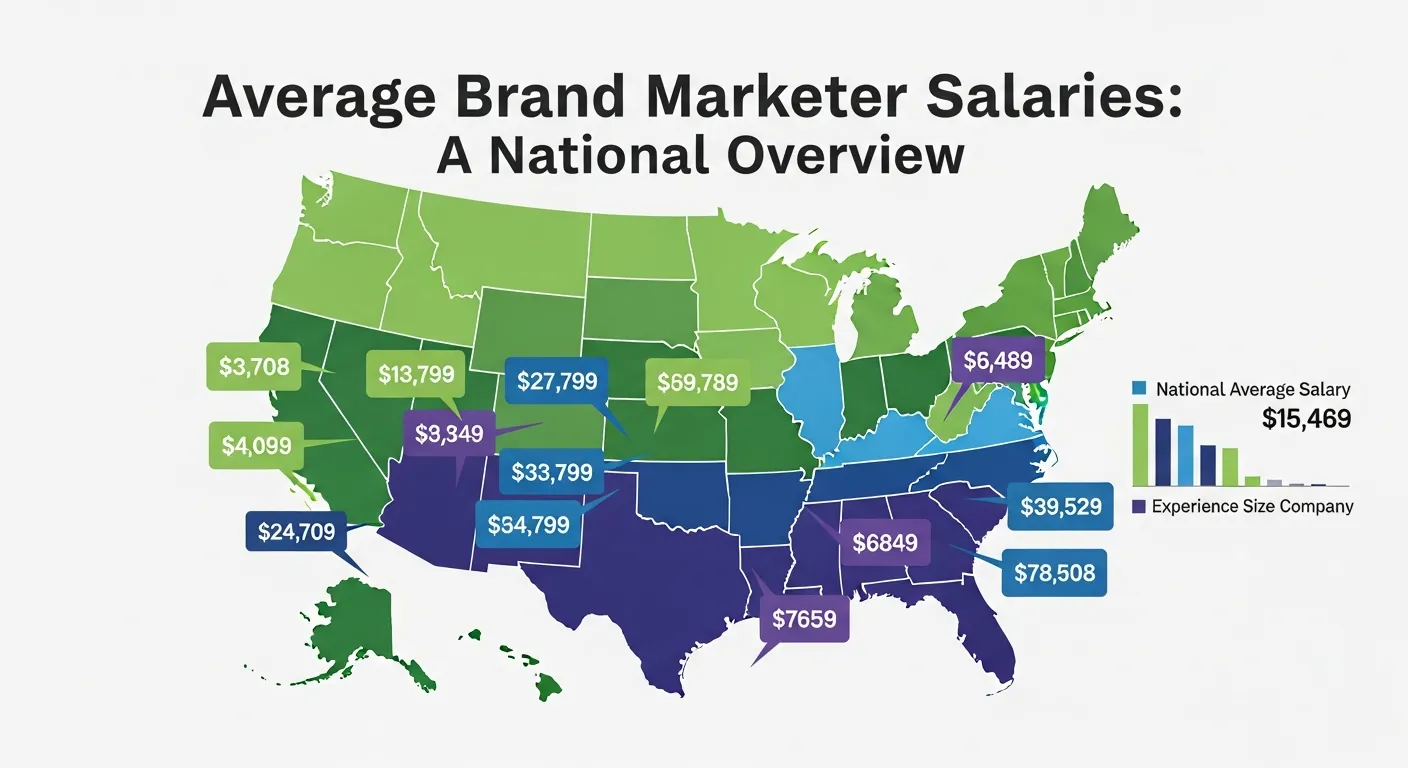
When examining compensation, it’s helpful to start with a broad look at national averages. However, it’s important to note the significant discrepancies between different data sources, which often survey different segments of the workforce, from entry-level coordinators to senior managers.
- According to ZipRecruiter, as of early 2026, the average annual pay for a brand marketing professional in the United States is approximately $46,978. This figure likely encompasses a wide range of roles, including entry-level positions. Their data shows a broad salary spectrum, with wages ranging from as low as $27,000 to as high as $65,000 for the majority of roles.
- Glassdoor presents a much higher figure, reporting an average salary of $125,934 per year for a “Brand Marketing” role. This number is likely skewed towards more experienced professionals and managerial positions. Their data suggests a “most likely range” between $94,000 and $176,000 annually.
- The U.S. Bureau of Labor Statistics (BLS) provides data for the broader category of “Marketing Managers.” As of May 2024, the median annual wage for marketing managers was $161,030. The lowest 10 percent earned less than $81,900, while the highest 10 percent earned more than $239,200.
These varying figures highlight a crucial point: the title “brand marketer” can describe a wide array of responsibilities and seniority levels. An entry-level Brand Coordinator will earn significantly less than a Senior Brand Manager or a Director of Brand Strategy. Therefore, understanding how much do brand marketers make requires a more nuanced look at the factors that differentiate these roles and their pay scales.
Key Factors Influencing a Brand Marketer’s Salary
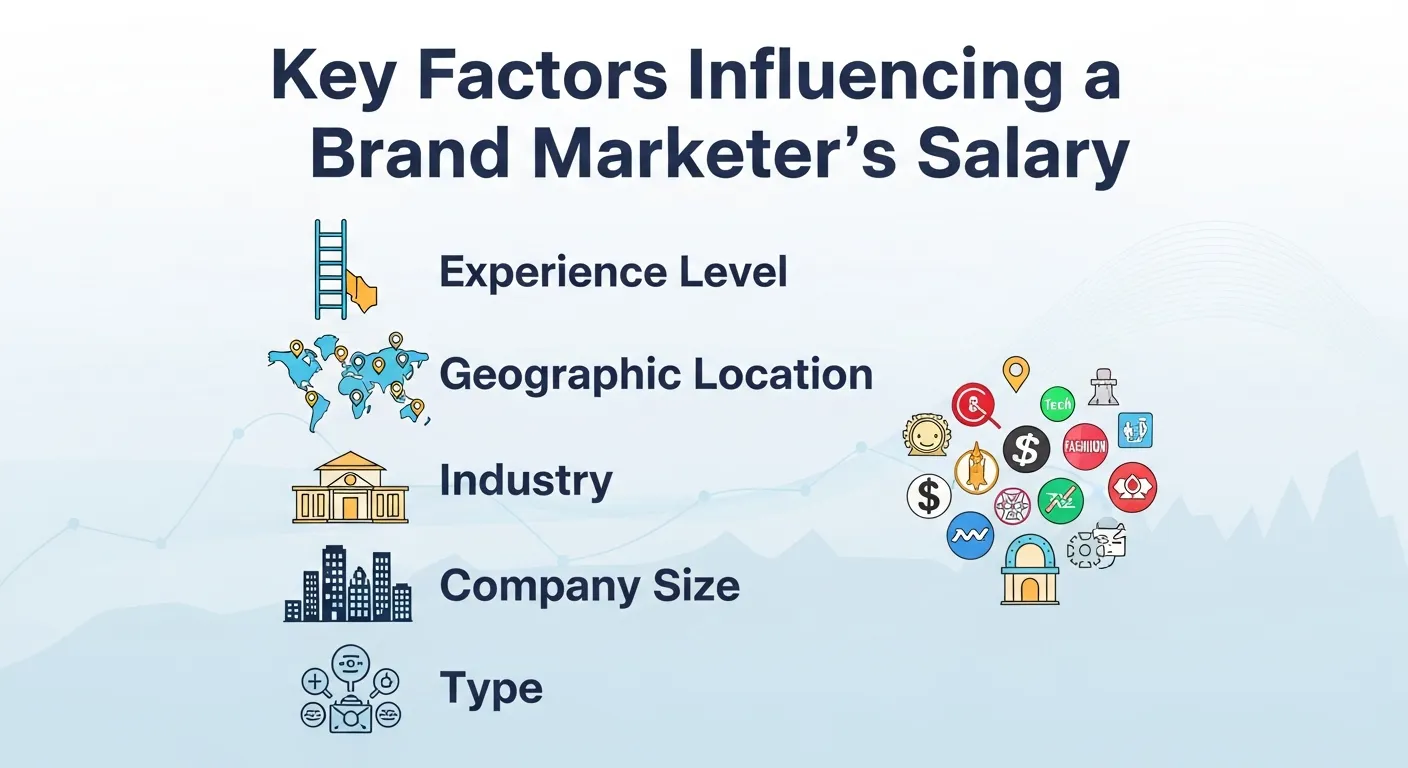
Several key variables play a significant role in determining a brand marketer’s income. Aspiring and current professionals should consider these factors when evaluating job offers or planning their career trajectory.
1. Experience Level
Experience is arguably the most significant determinant of salary. As brand marketers gain expertise, develop a track record of successful campaigns, and take on more leadership responsibilities, their value to an employer increases substantially.
- Entry-Level (0-2 years): Professionals in roles like Brand Assistant or Marketing Coordinator can expect salaries on the lower end of the spectrum, often aligning with the figures reported by ZipRecruiter, ranging from $45,000 to $65,000. Their focus is on execution, supporting senior team members, and learning the fundamentals of brand management.
- Mid-Level (3-7 years): As professionals advance to roles like Brand Manager or Digital Brand Specialist, their salaries see a significant jump. They take on more strategic responsibilities and manage projects independently. In this range, salaries often fall between $75,000 and $120,000, aligning more closely with the lower-to-mid ranges seen on Glassdoor.
- Senior-Level (8+ years): Senior Brand Managers, Brand Directors, and VPs of Marketing command the highest salaries. These individuals are responsible for overarching brand strategy, managing large teams, and controlling significant budgets. Their compensation can easily exceed $150,000 and often pushes into the $200,000+ range, consistent with the BLS data for marketing managers. At this stage, bonuses and stock options can also form a substantial part of their total compensation.
The journey from an entry-level position to a senior leadership role demonstrates how experience directly impacts the answer to “how much do brand marketers make.”
2. Geographic Location
Where you work matters. Salaries for brand marketers vary dramatically based on the cost of living and the concentration of corporate headquarters in a given metropolitan area. Major tech and business hubs typically offer higher salaries to attract top talent.
For instance, ZipRecruiter identifies several cities in California and Alaska where brand marketing salaries are significantly above the national average. Cities like San Francisco, Berkeley, and Redwood City offer higher base pay to compensate for the high cost of living. A brand marketer in New York City or San Jose will almost certainly earn more than a counterpart with the same experience level in a smaller city in the Midwest.
Below is a table illustrating potential salary variations for a mid-level Brand Manager across different U.S. cities, based on aggregated market data.
|
City |
Estimated Average Salary (Mid-Level) |
Cost of Living Index (U.S. Avg = 100) |
|---|---|---|
|
San Francisco, CA |
$135,000 |
194.1 |
|
New York, NY |
$128,000 |
158.4 |
|
Boston, MA |
$120,000 |
149.7 |
|
Seattle, WA |
$115,000 |
157.0 |
|
Austin, TX |
$105,000 |
101.8 |
|
Chicago, IL |
$102,000 |
105.1 |
|
Atlanta, GA |
$98,000 |
104.9 |
|
Dallas, TX |
$95,000 |
100.3 |
|
Kansas City, MO |
$88,000 |
86.8 |
This table clearly shows that while the salary might be higher in cities like San Francisco, the purchasing power may not be proportionally greater due to the exorbitant cost of living. When considering job offers, it’s essential to weigh the salary against local living expenses. This geographical context is vital when asking how much do brand marketers make.
3. Industry
The industry in which a brand marketer works has a profound effect on their earning potential. Some sectors are known for their high-margin products and substantial marketing budgets, which translates to better pay for their marketing teams.
- Technology: The tech industry is a top payer. Companies in software, hardware, and digital services are heavily invested in building powerful global brands. They need savvy marketers to differentiate them in a crowded market.
- Consumer Packaged Goods (CPG): CPG giants have long been the training ground for classic brand management. While highly competitive, these companies offer robust salaries and career development paths.
- Luxury Goods: The world of luxury brand marketing is unique. Marketers in this space focus on exclusivity, heritage, and high-end consumer experiences. Salaries are often very high, reflecting the premium nature of the products.
- Pharmaceuticals and Healthcare: This is another high-paying sector. Brand marketers are crucial for launching new drugs and marketing medical devices to both healthcare professionals and consumers, a process that requires specialized knowledge and adherence to strict regulations.
- Financial Services: Banks, investment firms, and fintech companies rely on brand marketers to build trust and attract clients. Compensation in this sector is typically very competitive.
In contrast, industries like non-profit, education, and some retail sectors may offer lower salaries due to tighter budget constraints. Glassdoor notes that industries like Manufacturing and Media & Communication are among the highest-paying for brand marketing roles.
4. Company Size and Type
The size and nature of the employing company also influence pay.
- Large Corporations: Multinational corporations often have structured salary bands, comprehensive benefits, and significant budgets. They typically pay at or above market rate to attract top-tier talent.
- Startups: A startup might offer a lower base salary but compensate with equity or stock options. The potential for a high payout exists if the company is successful, but it comes with greater risk. A brand marketer in a startup must be versatile, often handling tasks that would be divided among a larger team in a big company.
- Marketing Agencies: Agencies provide brand marketing services to multiple clients. Salaries can be competitive, but the work environment is often fast-paced and demanding. Agency experience is highly valued and can be a great stepping stone to a high-paying in-house role.
Ultimately, the type of company you work for will shape your experience and your paycheck, adding another layer to the question of how much do brand marketers make.
The Skillset of a High-Earning Brand Marketer

Beyond the external factors, a marketer’s individual skills are critical to their earning potential. To command a top salary, professionals need to cultivate a blend of creative, analytical, and strategic abilities.
Essential Skills for Maximizing Your Salary:
- Digital Marketing Expertise: In today’s landscape, proficiency in digital marketing strategies is non-negotiable. This includes SEO/SEM, social media marketing, content marketing, and email marketing. A marketer who can seamlessly integrate digital tactics into a broader brand strategy is invaluable.
- Data Analysis: The ability to interpret data is what separates good marketers from great ones. High earners can analyze market research, campaign performance metrics, and sales data to make informed strategic decisions. Experience with tools like Google Analytics is essential.
- Financial Acumen: Understanding the business side of marketing is crucial. This means being able to manage a budget, calculate ROI on marketing spend, and align branding efforts with the company’s financial goals. This skill is key to building brand equity.
- Leadership and Communication: As you move into senior roles, your ability to lead a team, articulate a vision, and persuade stakeholders becomes paramount. Strong interpersonal skills are necessary for collaborating across departments and managing agency partners.
- Strategic Thinking: High-earning brand marketers are not just executors; they are strategists. They can see the big picture, anticipate market shifts, and develop long-term plans to build a resilient and beloved brand. They master brand positioning in marketing to carve out a unique space for their products.
Developing these skills not only makes you better at your job but also significantly increases your market value, directly impacting how much do brand marketers make.
Career Path and Salary Progression
A career in brand marketing offers a clear path for growth and increased earnings. While titles can vary by company, the progression generally follows a predictable trajectory.
- Brand Coordinator / Marketing Assistant: The starting point. Focus is on support and execution. Responsibilities include scheduling social media, assisting with event planning, and conducting basic market research.
- Associate Brand Manager / Brand Specialist: More ownership over specific projects or campaigns. Might manage a small product line or a specific social media channel. Begins to contribute to strategy.
- Brand Manager: A pivotal role with significant responsibility. Often acts as the “owner” of the brand or a portfolio of products. Manages budgets, develops marketing plans, and oversees cross-functional teams to bring campaigns to life. This role is where salaries begin to climb sharply.
- Senior Brand Manager: Manages larger, more critical brands or multiple brand managers. Takes on more complex strategic challenges and often has P&L (profit and loss) responsibility.
- Brand Director / Group Brand Manager: Oversees the entire brand portfolio for a business unit or region. Focuses on long-term strategy, innovation, and team leadership. Plays a key role in high-level corporate decision-making.
- Vice President of Marketing / Chief Marketing Officer (CMO): Executive-level roles that direct the entire marketing function of the organization. They are responsible for the overall brand health and its contribution to the company’s bottom line. At this level, compensation is heavily tied to company performance and includes significant bonuses and equity.
Each step up this ladder brings a substantial increase in responsibility and, consequently, a higher salary. The career path demonstrates that what you make is directly tied to the value and strategic leadership you provide. For those wondering how much do brand marketers make, the answer truly evolves with each promotion.
Specialized Areas in Brand Marketing
Within the broad field of brand marketing, several specializations can offer unique challenges and higher earning potential. Focusing on a high-demand niche can be a strategic career move.
- CPG Brand Marketing: Classic brand management focusing on physical products sold in retail. It requires a deep understanding of consumer behavior, retail channels, and pricing strategies.
- Integrated Marketing Communications (IMC): Professionals in this area specialize in creating a unified and seamless brand experience for consumers across all channels. They are experts in ensuring consistency in messaging and design, a key component of integrated brand promotion.
- Brand Storytelling: This specialization focuses on crafting compelling narratives that connect with consumers on an emotional level. Storytellers use various media to communicate the brand’s history, values, and purpose.
- Digital Brand Management: This is a rapidly growing field. These marketers specialize in building and protecting a brand’s presence online, managing everything from social media reputation to search engine results. They are experts in how to use digital marketing to enhance brand awareness.
- Co-branding and Partnerships: These marketers focus on creating strategic alliances between two or more brands to create a new product or service. This requires strong negotiation and relationship management skills.
By developing expertise in one of these areas, a brand marketer can become a sought-after specialist, further increasing their earning potential and providing a more specific answer to the question of how much do brand marketers make.
The Future of Brand Marketing and Its Impact on Salaries

The marketing landscape is in constant flux, driven by technological advancements and shifting consumer behaviors. AI, data analytics, and the rise of new digital platforms are reshaping the role of a brand marketer. Professionals who can adapt to these changes will be best positioned for career growth and higher salaries.
Trends to watch include:
- AI in Marketing: Artificial intelligence is being used to personalize customer experiences, automate campaign management, and analyze vast datasets for insights. Marketers who understand how to leverage AI tools will be in high demand.
- Data-Driven Creativity: The future belongs to marketers who can blend creative intuition with hard data. The ability to justify creative choices with analytics will become even more critical.
- Purpose-Driven Branding: Consumers are increasingly drawn to brands that align with their values. Expertise in sustainable branding strategies and authentic corporate social responsibility will become more valuable.
- The Metaverse and Virtual Worlds: While still emerging, marketing in virtual environments presents a new frontier. Marketers who can pioneer mastering metaverse branding will be able to write their own ticket.
Staying ahead of these trends through continuous learning and professional development is the best way to future-proof your career and ensure your salary continues to grow. The evolution of the field means that what it takes to be a top earner is also changing, and adaptability is key.
Conclusion
So, how much do brand marketers make? The answer is a wide-ranging “it depends.” Salaries can span from $45,000 for an entry-level professional in a low-cost area to well over $200,000 for a senior director in a major city and a high-paying industry. Your earning potential is a product of your experience, location, industry, and—most importantly—your skills. By focusing on developing high-demand expertise in digital marketing, data analysis, and strategic leadership, you can actively steer your career towards higher compensation and greater professional fulfillment in the exciting world of brand marketing.
Frequently Asked Questions (FAQs)
1. What is the typical starting salary for a brand marketer?
A typical starting salary for an entry-level brand marketer, such as a Brand Coordinator or Marketing Assistant, is generally between $45,000 and $65,000 per year. This can vary based on geographic location, with major metropolitan areas offering higher starting wages to offset the cost of living.
2. How much can a senior-level brand marketer or Brand Director make?
A senior-level brand marketer, such as a Brand Director or VP of Marketing, can earn a substantial income. Salaries commonly range from $150,000 to over $250,000 annually. At this level, total compensation is often supplemented with significant performance-based bonuses, profit sharing, and stock options, which can dramatically increase overall earnings.
3. Which industries pay brand marketers the most?
The highest-paying industries for brand marketers typically include technology, pharmaceuticals, financial services, and luxury goods. These sectors have high-margin products and invest heavily in building strong brands, leading to more competitive compensation packages for their marketing teams compared to industries like non-profit or education.
4. How does geographic location affect a brand marketer’s salary?
Geographic location is a major factor. Brand marketers in major metropolitan hubs like San Francisco, New York City, and Boston earn significantly more than those in smaller cities or rural areas. This premium is meant to offset a higher cost of living and reflects the concentration of corporate headquarters and high-paying jobs in these urban centers.
5. What is the difference between brand marketing and performance marketing?
Brand marketing focuses on building a long-term relationship with consumers, increasing brand awareness, perception, and loyalty. Its success is measured by metrics like brand equity and customer sentiment. Performance marketing is short-term and results-driven, focused on specific actions like clicks, leads, or sales. The two are complementary, with strong brand marketing often making performance marketing more effective.
6. How important is an MBA for a career in brand marketing?
While not always required, an MBA can be highly beneficial, especially for advancing to senior leadership roles. An MBA provides advanced knowledge in strategy, finance, and leadership, which are critical for positions like Brand Director or CMO. For many top-tier CPG and tech companies, an MBA is often a preferred qualification for their brand management tracks.
7. What skills should I develop to maximize my salary as a brand marketer?
To maximize your salary, focus on developing a hybrid skillset. This includes strong expertise in digital marketing strategies (SEO, social media, content), data analytics (interpreting metrics to drive decisions), financial acumen (budget management, ROI calculation), and strategic thinking. Soft skills like leadership, communication, and creativity are also essential for climbing the career ladder.
8. Do brand marketers in startups earn more or less than those in large corporations?
A brand marketer in a startup might have a lower base salary compared to their counterpart at a large corporation. However, startups often compensate with equity or stock options, which could lead to a significant financial payout if the company succeeds. The role in a startup is often broader, offering rapid learning but with higher risk and less job security.
9. How does brand equity in marketing impact a company and the marketer’s role?
Brand equity is the value a company generates from a product with a recognizable name when compared to a generic equivalent. High brand equity leads to higher sales, better profit margins, and customer loyalty. A brand marketer’s primary goal is to build this equity. Their success in doing so directly impacts the company’s bottom line, making their role incredibly valuable and influencing their compensation.
10. What does the career path for a brand marketer look like?
A typical career path starts at a Coordinator or Assistant level, progresses to an Associate Brand Manager, then to Brand Manager. From there, one can advance to Senior Brand Manager, Brand Director, and ultimately to an executive position like VP of Marketing or Chief Marketing Officer (CMO). Each step involves greater strategic responsibility, team leadership, and a significant increase in salary.