Brand safety protects your advertising from appearing beside harmful or misleading content, helping brands maintain trust, protect reputation, and create positive digital experiences for modern audiences.
Brand safety in digital marketing ensures ads appear in safe, relevant environments that match brand values. By managing risks like harmful content, fraud, and poor contextual targeting, brands protect trust, improve customer experience, and support long-term growth through smart strategy, monitoring, and technology.
Introduction to Brand Safety
At its essence, brand safety is the steps taken by brands to prevent their advertising from appearing alongside content that runs contrary to their values or harms their reputation. Try to imagine your company’s ad showing up on a website that promotes hate speech or adjacent to fake news articles.
The brand association, unintended although it may be, can leave a sour taste in your audience’s mouths and trust can be lost.When it comes to programmatic advertising and the enormous amount of content online, it’s no easy task to keep brands safe and it’s never been a bigger priority.
As digital ads eat up more of marketing budgets, that number is climbing, eMarketer found, with more than 60% of marketers expressing great concern about brand safety in a recent survey.When you place ads in more suitable environments for your brand, you protect user trust, and you offer your audience a safer, more enjoyable experience.
Understanding the Risks in Brand Safety in Digital Marketing
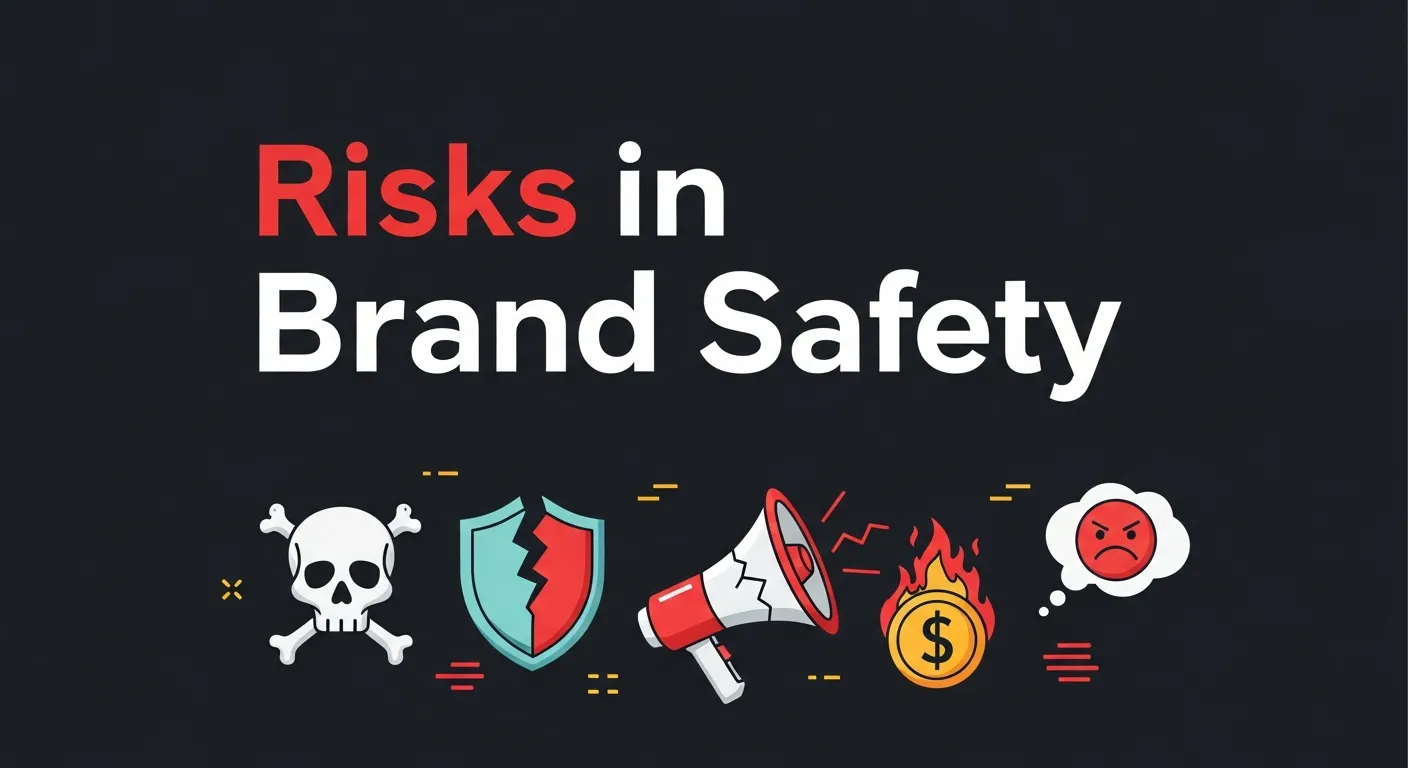
In today’s hyper-connected digital ecosystem, Brand Safety in Digital Marketing is no longer optional—it’s a core part of long-term brand resilience strategies. Every ad placement, sponsorship, influencer collaboration, or creator marketing campaign has the potential to either strengthen your brand awareness or trigger a costly brand crisis. By clearly understanding the risks, businesses can build smarter brand strategies that protect reputation, customer trust, and market share.
Brand safety issues don’t just affect global brands; they impact personal branding, clothing marketing, startup brand promotion, and even local geo-targeted campaigns. Whether you’re running ads on TikTok, Instagram, or through programmatic digital marketing platforms, unsafe placements can undo years of brand storytelling and emotional branding in seconds.
Common Risks That Threaten Brand Safety in Digital Marketing
1. Ad Placement in Harmful or Inappropriate Content
Programmatic advertising automates ad buying, but automation without control increases risk. Ads may appear next to content that conflicts with your brand voice, brand archetypes, or core values.
High-risk content categories include:
- Hate speech and extremist content
- Violence or graphic imagery
- Explicit or adult material
- Fake news and misinformation
This is especially dangerous for brands focused on brand sustainability, green marketing, or emotional branding, where trust and values play a critical role in customer experience.
2. Association with Political or Controversial Topics
Brand neutrality helps protect broad brand awareness. When ads appear beside polarizing content—political, religious, or socially divisive—it can trigger backlash and damage brand perception.
This is particularly risky in:
- SMM campaigns
- Influencer marketing and creator marketing
- Sponsorship and branding and sponsorship deals
A single controversial placement can affect:
- Brand promotion campaigns
- Voice branding consistency
- Long-term brand storytelling
3. Brand Imitation and Digital Fraud
Cybercriminals often create fake ads, fake social profiles, or scam websites using well-known brand names. This is a growing issue in:
- Amazon brand promotion guide misuse
- Influencer marketing fraud
- Metaverse branding and AI branding
These scams harm consumers and weaken brand trust—forcing companies into reactive brand crisis management instead of proactive brand strategies.
4. Contextual Mismatches That Damage Perception
Even without malicious intent, poor contextual targeting can create negative emotional responses. For example:
- Safety gear ads next to accident news
- Kids’ clothing marketing near violent content
- Brand sustainability ads next to pollution scandals
These mismatches disrupt sensory branding, color psychology strategies, and emotional branding efforts by creating the wrong psychological association.
Risk-to-Impact Overview
| Risk Type | What Happens | Impact on Brand |
|---|---|---|
| Harmful Content Placement | Ads appear near offensive or unsafe content | Loss of trust, brand image damage |
| Political/Controversial Context | Brand seen as biased or insensitive | Audience alienation, PR backlash |
| Brand Imitation/Fraud | Scammers misuse brand identity | Legal risk, customer distrust |
| Contextual Mismatch | Ads appear in negative environments | Emotional disconnect, lower conversions |
Why Managing These Risks Matters
Ignoring brand safety can lead to:
- Reduced brand awareness
- Lower customer experience quality
- Loss of market share
- Weak brand resilience strategies
Strong Brand Safety in Digital Marketing protects not just visibility—but credibility. It supports:
- Long-term brand storytelling
- Global brand consistency
- Trust in influencer marketing and sponsorship
- Effective brand promotion across Instagram, TikTok, and emerging platforms like metaverse branding spaces
By understanding these risks, brands can move from reactive brand crisis management to proactive brand resilience—building campaigns that align with brand voice, brand values, and the emotional expectations of modern digital consumers.
Key Elements of a Brand Safety Strategy in Digital Marketing
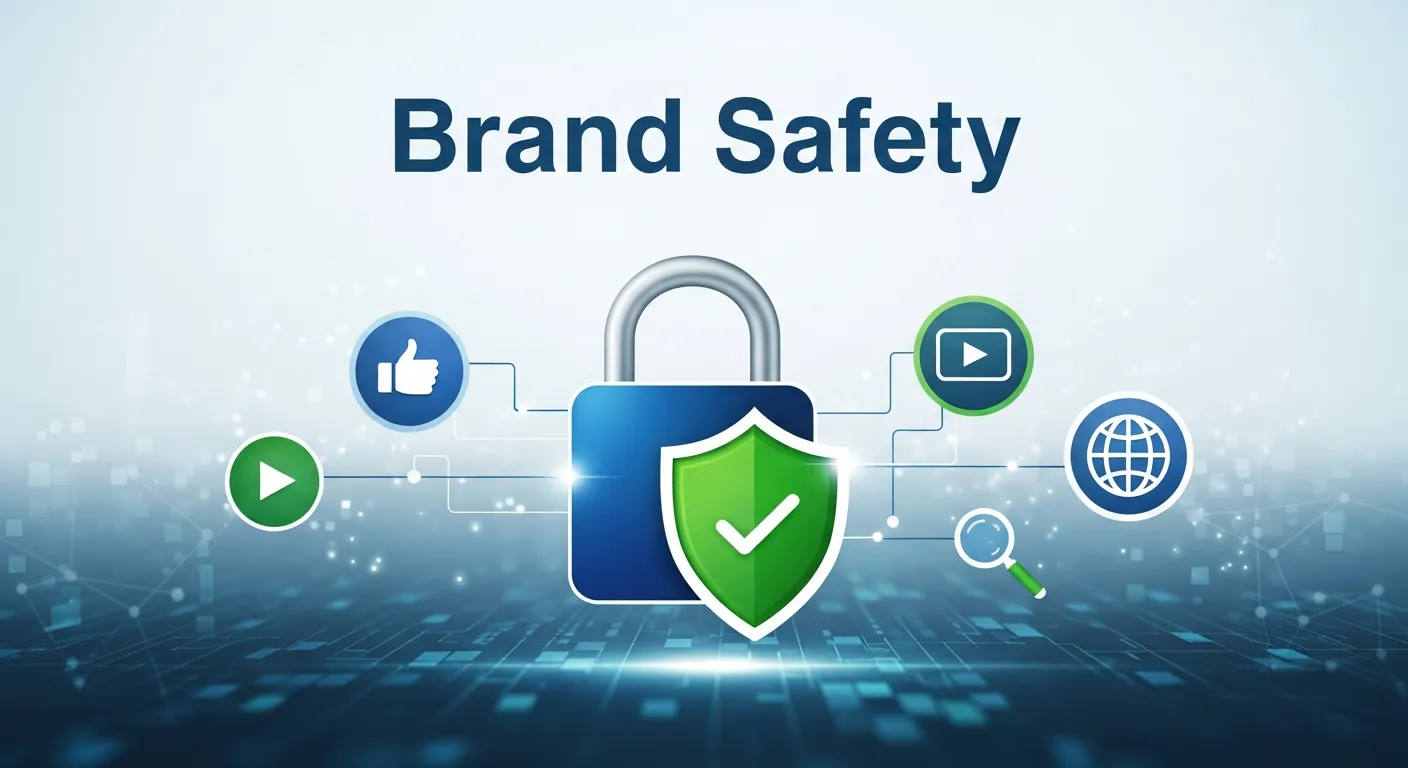
Building a strong Brand Safety in Digital Marketing framework is essential for protecting your reputation, customer trust, and long-term market share. A solid strategy doesn’t just prevent disasters—it actively supports brand awareness, emotional branding, and brand resilience strategies across all digital marketing channels, from SMM and influencer marketing to programmatic ads and creator marketing.
A well-designed brand safety strategy aligns with your brand voice, brand archetypes, and brand storytelling, ensuring your message appears only in environments that enhance—not damage—your customer experience.
1. Define Your Brand Values and Boundaries
Every effective Brand Safety in Digital Marketing plan starts with clarity. You must define what your brand stands for and what it will never support.
Ask yourself:
- What topics align with our brand voice and emotional branding?
- What content conflicts with our brand archetypes?
- Which environments harm our customer experience?
For example:
- A clothing marketing brand for families may avoid explicit or violent content.
- A green marketing or brand sustainability company may avoid content that denies climate science.
- A global brand may avoid politically polarizing platforms to protect broad brand awareness.
Clear boundaries support:
- Brand crisis management prevention
- Stronger brand storytelling
- Consistent voice branding
2. Set Up Blacklists and Whitelists
Controlling where your ads appear is a core part of Brand Safety in Digital Marketing.
Blacklists
Blacklists block risky environments.
Use blacklists to exclude:
- Hate speech sites
- Fake news platforms
- Adult or violent content
- Fraud-prone websites
Whitelists
Whitelists guarantee brand-safe placements.
Whitelists are ideal for:
- Branding and sponsorship campaigns
- Influencer marketing partnerships
- Amazon brand promotion guide strategies
- High-trust creator marketing channels
Benefits of using both:
- Stronger brand protection
- Higher customer trust
- Better campaign ROI
3. Implement Contextual Targeting with AI
Instead of relying only on demographics, modern Brand Safety in Digital Marketing uses contextual targeting powered by AI branding tools.
Contextual targeting places ads based on:
- Page content meaning
- Emotional tone (neuromarketing)
- Topic relevance
Examples:
- Fitness clothing marketing on workout blogs
- Sensory branding campaigns on lifestyle content
- Brand promotion near positive, relevant stories
This improves:
- Emotional branding impact
- Brand storytelling consistency
- Customer experience quality
4. Create a Monitoring and Review System
Brand safety is continuous. Even the best setup needs ongoing review.
Your monitoring system should:
- Track ad placements weekly
- Review influencer marketing content
- Audit SMM channels like TikTok and Instagram
- Monitor suspicious traffic and fake referrals
Use tools like:
Regular reviews support:
- Brand crisis management readiness
- Strong brand resilience strategies
- Protection of market share
Brand Safety Strategy Framework
| Strategy Element | What It Does | Business Impact |
|---|---|---|
| Brand Values & Boundaries | Defines safe vs unsafe environments | Strong brand identity |
| Blacklists | Blocks harmful content | Risk reduction |
| Whitelists | Ensures trusted placements | Brand trust |
| Contextual Targeting | Matches ads to content | Higher engagement |
| Monitoring System | Detects issues early | Crisis prevention |
Why These Elements Matter
A strong Brand Safety in Digital Marketing strategy protects more than ads—it protects your entire brand ecosystem, including:
- Influencer marketing partnerships
- Branding and sponsorship deals
- Personal branding efforts
- Metaverse branding and reality branding experiments
- Gamified branding and emerging platforms
By combining clear values, smart targeting, and continuous monitoring, brands move from reactive brand crisis management to proactive brand resilience—ensuring every campaign strengthens brand awareness, customer experience, and long-term brand success.
Tools and Technologies for Brand Safety in Digital Marketing
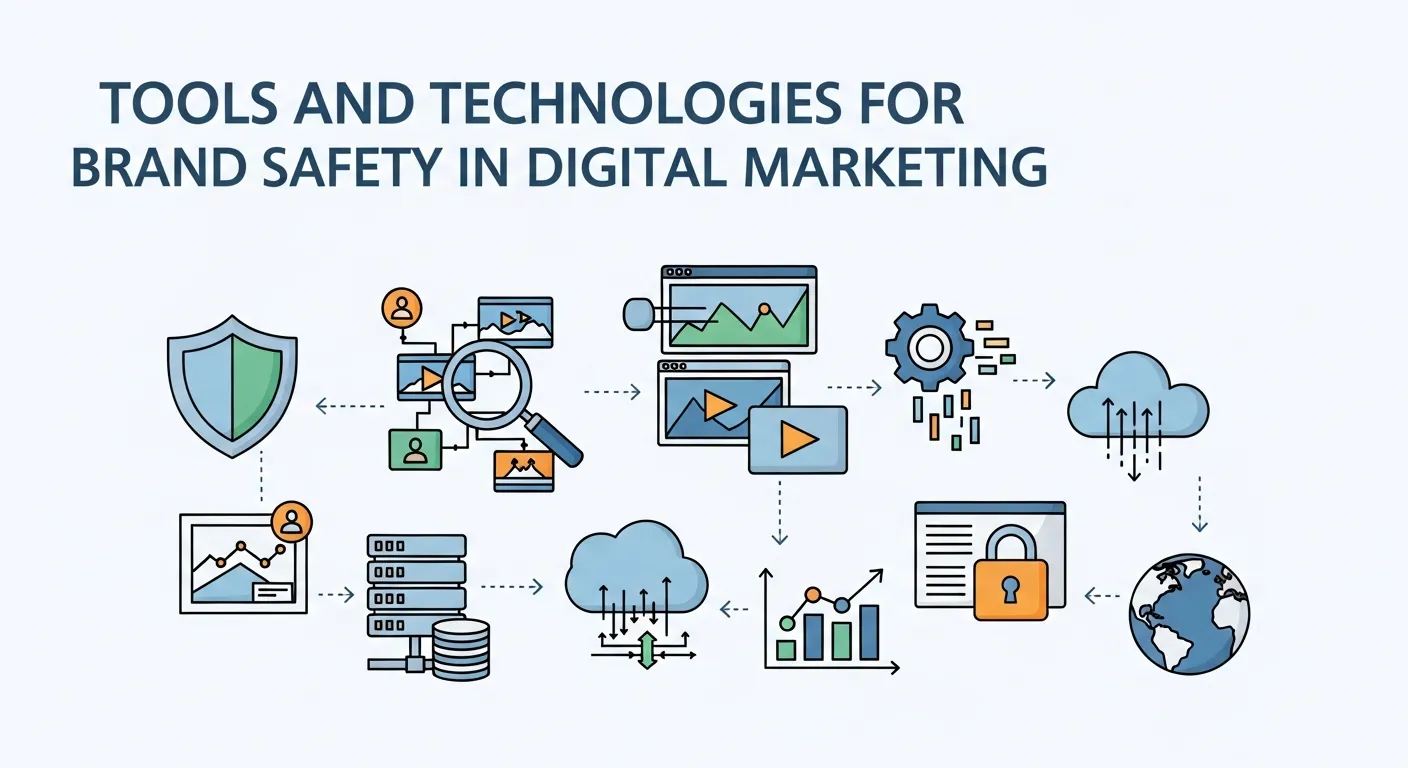
Maintaining strong Brand Safety in Digital Marketing is no longer a manual task—it relies heavily on advanced tools, AI-driven systems, and transparent ad platforms. As digital marketing expands across SMM, influencer marketing, creator marketing, and programmatic advertising, brands must use technology to protect brand voice, customer experience, and long-term market share.
Whether you’re managing clothing marketing campaigns, global brand strategies, or personal branding, the right tools help prevent brand crisis management scenarios before they start. These platforms ensure your brand promotion efforts appear in safe, relevant, and trustworthy environments that support emotional branding and brand storytelling.
1. Ad Verification Tools
Ad verification tools monitor where your ads appear and what content surrounds them.
Popular tools include:
These tools help:
- Detect unsafe content
- Block fraudulent traffic
- Protect brand awareness
- Support brand resilience strategies
They are especially valuable for:
- Branding and sponsorship campaigns
- Influencer marketing collaborations
- Amazon brand promotion guide campaigns
2. Programmatic Exclusions
Programmatic advertising platforms allow advertisers to control placements using exclusions and filters.
Platforms like:
Allow you to:
- Exclude risky content categories
- Block specific domains
- Apply geo-based filters
- Protect brand sustainability and green marketing values
This is critical for:
- Global brand campaigns
- Voice branding consistency
- Brand archetypes alignment
Google’s ad placement controls are explained in detail on Wikipedia:
https://en.wikipedia.org/wiki/Online_advertising
3. Content Monitoring and Misinformation Detection
Content monitoring tools scan websites, videos, and articles to identify unsafe or misleading content.
Common solutions:
These tools help protect:
- Brand storytelling
- Emotional branding
- Neuromarketing strategies
They are vital for:
- TikTok and Instagram ads
- Influencer marketing and creator marketing
- Brand promotion near trending content
4. Social Media AI Filters
Major social platforms now use AI branding tools to flag and remove harmful content.
Platforms using AI safety filters include:
- YouTube
- TikTok
These AI systems:
- Detect hate speech and violence
- Flag misinformation
- Support brand safety in SMM campaigns
Staying updated with platform policies helps:
- Avoid brand crisis management situations
- Protect customer experience
- Strengthen brand resilience strategies
How These Tools Support Brand Strategy
These tools don’t just block danger—they actively improve performance.
They help brands:
- Protect brand voice and brand archetypes
- Increase brand awareness in safe environments
- Support brand sustainability and green marketing
- Strengthen emotional branding and sensory branding
- Build trust in metaverse branding and reality branding projects
Brand Safety Tool Comparison
| Tool Type | Main Function | Business Benefit |
|---|---|---|
| Ad Verification Tools | Monitor ad placement | Prevent reputation damage |
| Programmatic Exclusions | Block risky sites | Better brand control |
| Content Monitoring Tools | Detect fake news | Protect trust |
| Social Media AI Filters | Flag harmful content | Safer SMM campaigns |
Why Technology Matters for Brand Safety
Strong Brand Safety in Digital Marketing depends on combining human strategy with smart technology. Tools ensure your ads, sponsorships, and influencer marketing campaigns appear in environments that enhance—not damage—your brand image.
By using these technologies, brands can:
- Reduce crisis risk
- Improve customer experience
- Grow market share safely
- Support long-term brand strategies
In a fast-moving digital world, technology is no longer optional—it’s the backbone of modern brand protection and sustainable brand growth.
Best Practices for Maintaining Brand Safety
To create a truly safe advertising environment, follow these industry best practices:
- Work with Trusted Publishers and Partners: Vet your media-buying partners to ensure they prioritize brand safety and offer transparency in ad placements.
- Stay Proactive with Training: Regularly train your team to stay informed about emerging risks, new tools, and updates in brand safety practices.
- Use Dynamic Exclusion Lists: Continuously update blacklists and whitelists based on new developments or discoveries in your industry.
- Engage in Pre-Bid Targeting: Use pre-bid targeting methods, offered by platforms like The Trade Desk, to block harmful content before the ad auction takes place.
- Monitor Campaign Performance: Keep track of metrics like click-through rates and bounce rates to ensure alignment with the intended audience and content context.
The Future of Brand Safety in Digital Marketing
Brand safety is a dynamic industry. As AI, machine learning and content analysis tools continue to advance, we will likely see an increase in technology that simplifies the control of ad placement. New trends, such as brand suitability which transcends safeguards to concentrate on whether ad placements are aligned with complex brand values — will transform how marketers think about risk.
Furthermore, continued shifts in consumer behavior and increasing data-privacy regulations will bring new hurdles, as well. Smart and agile marketers will need to adjust on the fly to these changes whilst maintaining a focus on brand safety in their digital strategy.
Prioritize Your Brand’s Integrity
You can no longer turn a blind eye to brand safety in digital marketing. And with the dangers of associating a brand with damaging or mis-judged advertising, a strong brand safety plan is a must to assure that your business keeps the trust and credibility of customers.
If you want something reliable to help you improve brand safety efforts, double down on a tool such as DoubleVerify or Integral Ad Science. Get started now by analyzing your existing campaigns to find the best areas needing improvement. Your brand should be preserved, now and in the digital revolution to come.
Conclusion
Brand safety is no longer optional in digital marketing—it is essential for protecting reputation, customer trust, and business growth. By defining values, controlling ad placements, using smart technology, and monitoring campaigns continuously, brands can avoid crises, strengthen emotional connections, and ensure every campaign supports long-term brand success.
FAQs
1. What does brand safety mean in digital marketing?
Brand safety means making sure your ads appear only in environments that match your values, protect your reputation, and create a positive experience for your audience.
2. Why is brand safety important for long-term success?
Brand safety protects trust, prevents public backlash, and ensures marketing efforts support steady growth instead of damaging brand image.
3. How can unsafe content damage a brand?
When ads appear near harmful or controversial content, people may associate your brand with negativity, reducing loyalty and future buying interest.
4. Which platforms need brand safety controls?
All platforms including websites, social media, video platforms, influencer channels, and programmatic ad networks need brand safety strategies.
5. What is brand suitability compared to brand safety?
Brand safety avoids harmful content, while brand suitability focuses on placing ads in environments that best fit your brand’s personality and values.
6. How do blacklists and whitelists protect brands?
Blacklists block unsafe sites, while whitelists allow ads only on trusted platforms, giving brands better control over placements.
7. Is brand safety only for big companies?
No, small businesses and startups also need brand safety to protect early trust and avoid reputation damage.
8. How does technology help brand safety?
AI and monitoring tools scan content, detect risks, and help place ads in safe, relevant environments automatically.
9. Why is influencer marketing risky for brand safety?
Influencers represent your brand publicly, so their actions and content can strongly affect how people view your brand.
10. Is brand safety a one-time task?
No, brand safety requires ongoing monitoring, updates, and adjustments as content, platforms, and risks constantly change.
Read more: What is a Brand in Marketing.