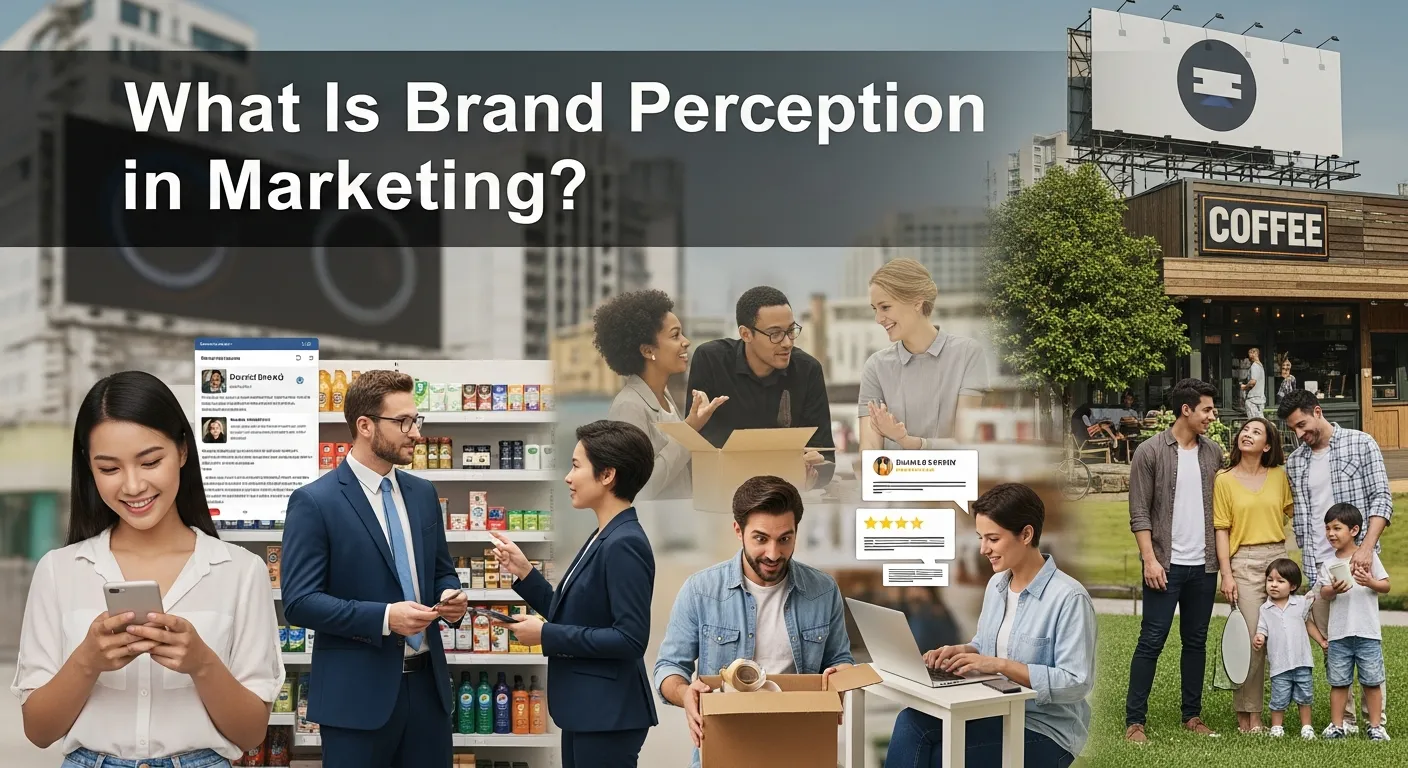
Understanding how consumers view your business is crucial for long-term success. Brand Perception in Marketing is the reality of your brand, shaping every purchasing decision and customer interaction.
Brand Perception in Marketing defines how consumers interpret your identity through experiences, reviews, and messaging. This guide explores its critical importance, influencing factors, and measurement techniques. We provide actionable strategies to align your intended image with customer reality, ensuring sustainable growth and robust brand equity.
Defining Brand Perception in Marketing
At its core, Brand Perception in Marketing is the sum total of a consumer’s feelings, experiences, and thoughts about a specific product or service. It is not what a company says it is; rather, it is what the consumer believes it to be. While a business owns its marketing materials, logo, and messaging, consumers own the perception. It is the mental imprint left behind after they interact with your brand, whether through a digital ad, a customer service call, or a conversation with a friend.
In the fast-paced digital landscape of 2026, Brand Perception in Marketing has become the primary battleground for companies. With the internet democratizing information, a brand can no longer hide behind glossy advertising campaigns. Today, Brand Perception in Marketing is shaped by authentic interactions and transparent business practices. It is the aggregate of visual identity, emotional connection, and functional value.
It is important to distinguish between Brand Marketing efforts—which are the actions you take—and the resulting perception. You might position your brand as a luxury provider (Brand Positioning in Marketing), but if the customer experience feels cheap or disjointed, the Brand Perception in Marketing will be negative. This gap between desired identity and actual perception is where businesses often fail. Bridging this gap is the primary goal of managing Brand Perception in Marketing.
The Psychology Behind Brand Perception
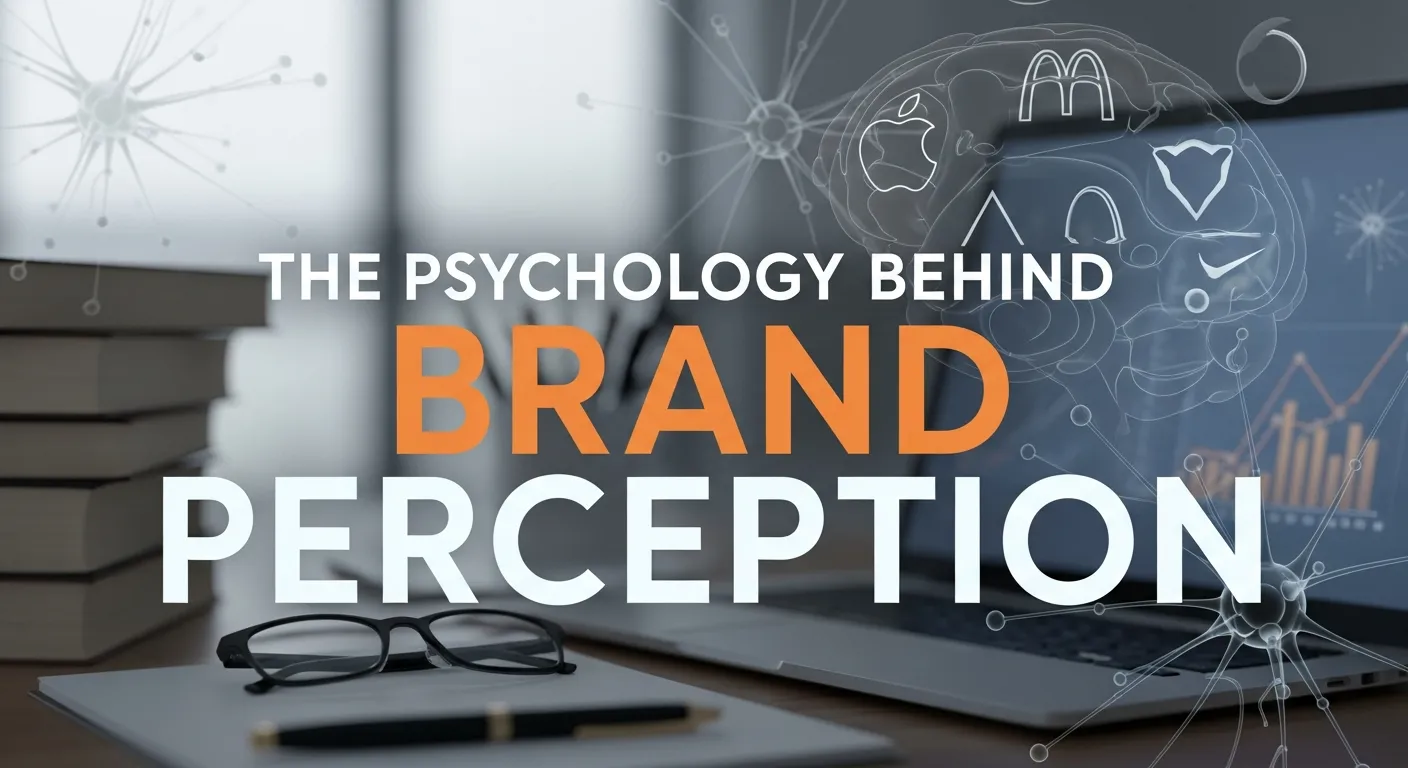
To truly master Brand Perception in Marketing, one must understand the psychology of the consumer. Neuromarketing Techniques and The Science of Brand Memory reveal that humans make decisions largely based on emotion, justifying them later with logic. When a consumer chooses a soft drink or a car, they are rarely weighing features on a spreadsheet. They are reacting to the Brand Personality in Marketing and the feelings that the brand evokes.
Emotional Branding plays a massive role here. Brands that can tap into nostalgia (Nostalgia in Digital Branding) or align with a social cause often enjoy a deeper, more resilient perception. This is because the brain prioritizes sensory and emotional inputs. Sensory Branding—how a product smells, the sound of a wrapper, the tactile feel of packaging—all contributes to the subconscious formation of Brand Perception in Marketing.
Furthermore, Brand Archetypes help consumers categorize brands quickly. Is your brand the “Hero” (like Nike) or the “Caregiver” (like Johnson & Johnson)? These archetypes serve as mental shortcuts, allowing consumers to form a Brand Perception in Marketing almost instantly. If your messaging is inconsistent with your archetype, it creates cognitive dissonance, damaging trust and perception.
Why Is Brand Perception in Marketing Critical?
The stakes for managing Brand Perception in Marketing have never been higher. In a saturated market, perception is often the only differentiator.
1. Trust and Loyalty
A positive Brand Perception in Marketing builds trust. When consumers believe a brand is honest, reliable, and high-quality, they become loyal advocates. Brand Loyalty is not bought; it is earned through consistent positive perception. This loyalty translates into Customer Retention, which is far more cost-effective than acquisition.
2. Pricing Power
Why can Starbucks charge more for coffee than a local diner? It’s strictly down to Brand Perception in Marketing. A strong brand with high Brand Equity in Marketing can command a premium price because the perceived value is higher than the actual cost of goods.
3. Resilience During Crisis
Companies with a reservoir of positive Brand Perception in Marketing are more resilient. If a beloved brand makes a mistake, consumers are more likely to forgive them compared to a brand with a neutral or negative perception. This is a key component of Brand Crisis Management in the Social Media Era.
4. Recruitment and Internal Culture
Brand Perception in Marketing isn’t just external. It affects Internal Branding as well. Top talent wants to work for brands perceived as innovative, ethical, and successful. A strong perception attracts better employees, who then become brand ambassadors, further reinforcing positive perception.
Factors Influencing Brand Perception in Marketing
Creating a favorable Brand Perception in Marketing requires managing a complex ecosystem of touchpoints.
Visual Identity and Design
The Psychology of Brand Design is the first handshake with the customer. Colors, fonts, and logos communicate volume before a word is read. The Psychology of Color in Branding dictates that blue instills trust, while red creates urgency. If your visual identity is outdated or messy, the Brand Perception in Marketing will be that your company is unprofessional or behind the times.
Customer Experience (CX)
Every interaction counts. From the loading speed of your website (User Experience and Branding) to the helpfulness of your support team, CX is the bedrock of Brand Perception in Marketing. A single bad interaction can go viral, destroying years of brand building.
Social Proof and Reviews
In the era of Influencer Marketing, what others say matters more than what you say. The ROI of Influencer Marketing is often found in how it shifts perception. Positive reviews, testimonials, and user-generated content are critical proof points that shape Brand Perception in Marketing.
Corporate Social Responsibility (CSR)
Modern consumers, especially Gen Z and Alpha, care deeply about Sustainable Branding Strategies. The Truth Behind Branded Sustainability and Environmental Harm is that consumers can spot “greenwashing.” Authentic commitment to Green Marketing and Inclusive Brand Strategies enhances perception, while performative activism destroys it.
Brand Voice and Messaging
What Is Brand Voice in Marketing? It is the personality of your communication. Whether you are witty, authoritative, or empathetic, consistency is key. Brand Consistency across channels—from TikTok to email newsletters—ensures that the Brand Perception in Marketing remains stable and recognizable.
Measuring Brand Perception in Marketing

You cannot manage what you do not measure. Evaluating Brand Perception in Marketing requires a mix of qualitative and quantitative data.
1. Brand Perception Surveys
Directly asking your audience is the most reliable method. Questions should focus on associations. “What is the first word that comes to mind when you hear our name?” This reveals the immediate Brand Perception in Marketing.
2. Social Listening
Tools that monitor mentions of your brand across the web are essential for Social Listening as a Brand Strategy Tool. Analyze the sentiment. Are people angry, delighted, or indifferent? High volume with negative sentiment indicates a crisis in Brand Perception in Marketing.
3. Net Promoter Score (NPS)
While NPS measures loyalty, it is a strong proxy for perception. If users are willing to recommend you, their Brand Perception in Marketing is undeniably positive.
4. Search Data Analysis
Analyze search queries related to your brand. Are people searching for “Brand X scams” or “Brand X best products”? This search intent provides a raw look at Brand Perception in Marketing.
5. Brand Audits
Conducting a comprehensive Brand Audit allows you to see how your brand stacks up against competitors. Competitive Brand Analysis helps you understand if your Brand Perception in Marketing is leading the market or lagging behind.
Strategies to Improve Brand Perception in Marketing
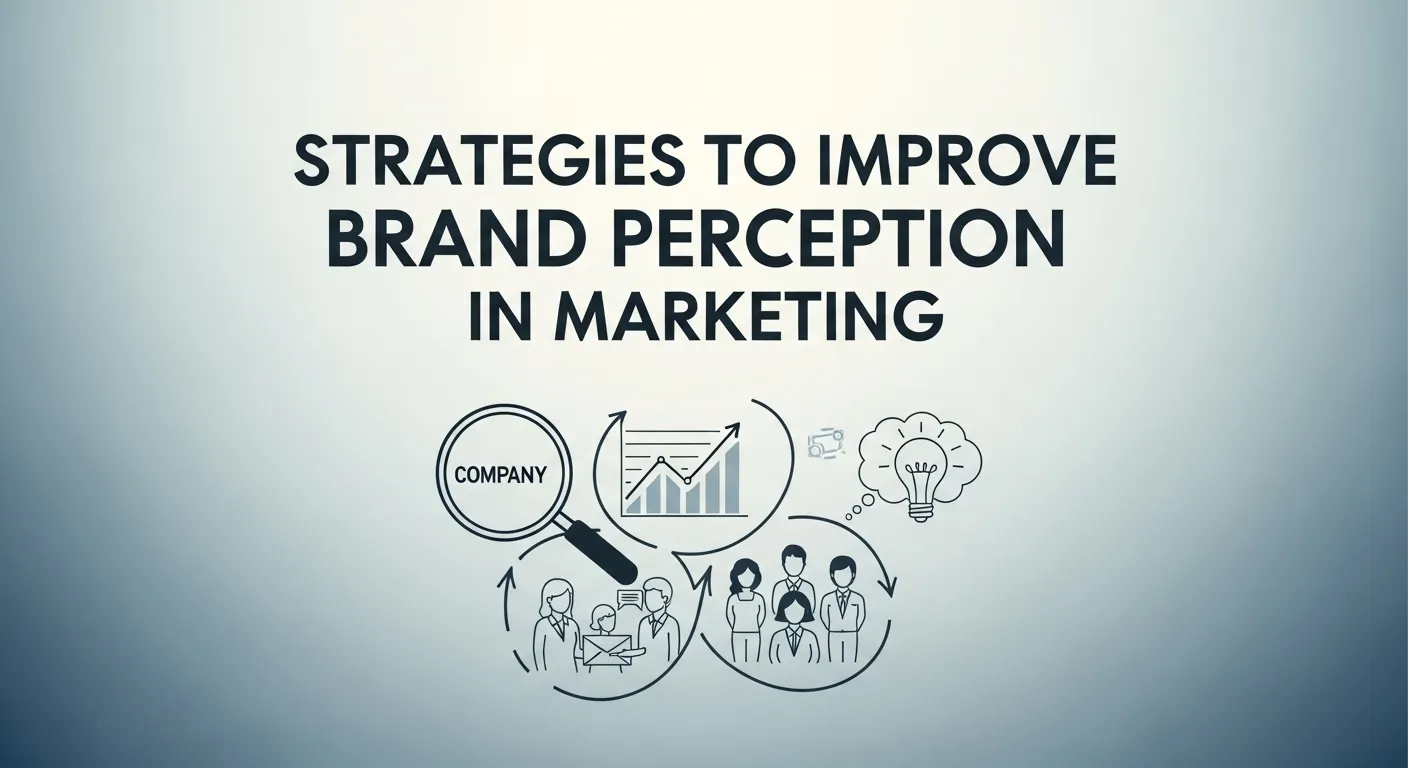
If your measurement reveals a gap, you must take action to shift Brand Perception in Marketing.
Master Brand Storytelling
Humans connect with stories, not sales pitches. Mastering Brand Storytelling involves weaving a narrative that includes the customer as the hero. Data-Driven Brand Storytelling uses insights to craft stories that resonate deeply, altering Brand Perception in Marketing from a commodity to a partner.
Enhance Digital Presence
How to Use Digital Marketing to Enhance Brand Awareness is a common query, but awareness is just the first step. You must move to engagement. Integrated Marketing ensures that your message is unified across all platforms. A disjointed digital presence leads to a confused Brand Perception in Marketing.
Leverage Influencers and Co-Branding
Co-branding in Marketing allows you to borrow the positive perception of another brand. If a trusted luxury brand collaborates with a streetwear startup, the startup gains immediate credibility. Similarly, Influencer Marketing acts as a trusted endorsement, rapidly shifting Brand Perception in Marketing.
Focus on Authenticity and Transparency
How to Measure Brand Authenticity Using Real-Time Data? By tracking how audiences respond to honest communication. Admit mistakes. Show behind-the-scenes content. The Truth Behind Branded Sustainability and Environmental Harm shows that honesty about imperfections is often received better than fake perfection. Authenticity is the fastest route to a positive Brand Perception in Marketing.
Optimize for Mobile and Voice
With the Rise of Voice Branding and Voice Search Optimization, accessibility is key. If your brand is hard to find or interact with on modern devices, the perception is that you are obsolete. Ultimate Guide to Brand Accessibility suggests that being easy to reach creates a perception of reliability.
The Role of Technology: AI and The Metaverse
As we look forward, Brand Perception in Marketing is being shaped by emerging tech. AI Sensory Branding allows for hyper-personalized experiences that make a brand feel intuitive. Mastering Metaverse Branding offers a new frontier where perception is built through virtual experiences. Brands that ignore Augmented Reality Branding or Generative Engine Optimization risk being perceived as dinosaurs.
Brand Perception in Different Sectors
Brand Perception in Marketing manifests differently across industries.
- Luxury Brand Marketing: Perception here is built on exclusivity and heritage. Accessibility can actually damage the perception of luxury.
- CPG Brand Marketing: For Consumer Packaged Goods, perception is driven by utility, price, and packaging. Brand Recognition in Marketing is vital on the shelf.
- B2B Brand Differentiation: In B2B, perception centers on expertise and reliability. Personal Branding for CEOs often drives the corporate perception.
Case Studies: Brand Perception in Action

Example 1: The Sustainability Shift
A major fashion retailer faced a crisis where their Brand Perception in Marketing was tied to fast fashion waste. By pivoting to Sustainable Branding Strategies and launching a resale platform, they shifted the narrative. They used Interactive Storytelling in Branding to show their supply chain transparency. Over two years, their Brand Perception in Marketing moved from “wasteful” to “innovative.”
Example 2: The Nostalgia Play
A beverage company used Nostalgia in Digital Branding to revive a 90s product. They didn’t just sell the drink; they sold the memory of a simpler time. This emotional hook improved Brand Perception in Marketing among millennials, driving a 40% increase in sales.
Example 3: Crisis Management
When a tech firm suffered a data breach, their Brand Perception in Marketing plummeted. Instead of hiding, they used Brand Crisis Management in the Social Media Era principles. They communicated hourly, offered free protection services, and the CEO apologized via video. Within six months, Brand Perception in Marketing had recovered because they were perceived as accountable.
Key Metrics for Brand Perception Success
To ensure your strategies for Brand Perception in Marketing are working, keep an eye on these KPIs:
- Share of Voice: Are you dominating the conversation?
- Sentiment Score: Is the conversation positive?
- Brand Salience: Do you come to mind in buying situations?
- Conversion Rate: Is positive perception leading to sales?
Conclusion
Brand Perception in Marketing is the ultimate truth of your business. It is the culmination of every ad, tweet, product launch, and support ticket. It dictates your pricing power, your customer loyalty, and your market longevity. You cannot control it entirely, but through strategic Brand Positioning in Marketing, consistent Integrated Brand Promotion, and authentic engagement, you can guide it.
In a world dominated by Digital Marketing Strategies and instant feedback, ignoring Brand Perception in Marketing is a fatal error. By prioritizing the customer’s view and aligning your actions with your values, you can build a brand perception that serves as a powerful engine for growth. Remember, a strong brand is not just seen; it is felt.
FAQs
1. What is the difference between brand awareness and brand perception?
Brand Awareness measures how many people know your brand exists. It is about reach and recognition. Brand Perception in Marketing, however, is about what those people think of you. You can have high awareness (everyone knows your name) but terrible perception (everyone thinks your product is low quality). Awareness is the first step; positive perception is the goal.
2. How long does it take to change brand perception?
Changing Brand Perception in Marketing is a marathon, not a sprint. It typically takes 12 to 24 months of consistent effort to significantly shift how the market views a brand. This involves sustained changes in product quality, messaging, and customer service. One viral campaign might cause a spike, but lasting perception change requires Brand Consistency.
3. Can small businesses afford to worry about brand perception?
Absolutely. In fact, small businesses rely on Brand Perception in Marketing even more than large corporations. For a local business, reputation is everything. Word of Mouth and local reviews drive the majority of business. A small budget doesn’t mean you can’t build a premium perception through excellent service and community engagement.
4. How does social media affect brand perception?
Social media acts as an amplifier for Brand Perception in Marketing. It allows for real-time interaction, which can humanize a brand (Brand Personality in Marketing). However, it also exposes brands to immediate public scrutiny. Positive interactions on social media can build a perception of responsiveness and care, while ignored complaints can quickly turn perception toxic.
5. What role does employee advocacy play in brand perception?
Employees are the face of the brand. Internal Branding ensures employees understand the brand’s values. When employees are happy and advocate for the company, it creates a “halo effect” on Brand Perception in Marketing. Consumers perceive companies with happy employees as more ethical and reliable.
6. Is rebranding the best way to fix negative perception?
Not always. Rebranding (changing logos, names, etc.) without fixing the underlying issues is often seen as superficial “whitewashing.” To truly fix negative Brand Perception in Marketing, you must address the root cause—be it product quality or customer service—before applying a fresh coat of paint. Brand Revitalization is deeper than just visual rebranding.
7. How does pricing strategy influence brand perception?
Price is a major psychological cue. Low prices can create a perception of low quality or value, while high prices can signal luxury and exclusivity. This is Psychological Pricing. Your pricing must align with your desired Brand Perception in Marketing. If you want to be seen as a premium brand, deep discounting can actually hurt your perception.
8. What is the impact of negative reviews on brand perception?
Negative reviews are inevitable, but how you handle them defines your Brand Perception in Marketing. A brand that responds politely and solves the problem is often perceived better than a brand with no negative reviews at all (which can look suspicious). However, a pattern of ignored negative feedback will cement a perception of negligence.
9. Can AI tools help manage brand perception?
Yes. AI-driven Social Listening tools can analyze vast amounts of data to detect shifts in sentiment instantly. They can identify emerging trends or potential PR crises before they explode, allowing marketers to proactively manage Brand Perception in Marketing.
10. How do Brand Archetypes help in shaping perception?
Brand Archetypes (like The Ruler, The Jester, The Rebel) provide a blueprint for personality. By adhering to an archetype, a brand ensures its messaging is consistent. Consistency creates familiarity, and familiarity breeds trust. Using archetypes helps consumers “get” your brand instantly, solidifying the desired Brand Perception in Marketing.