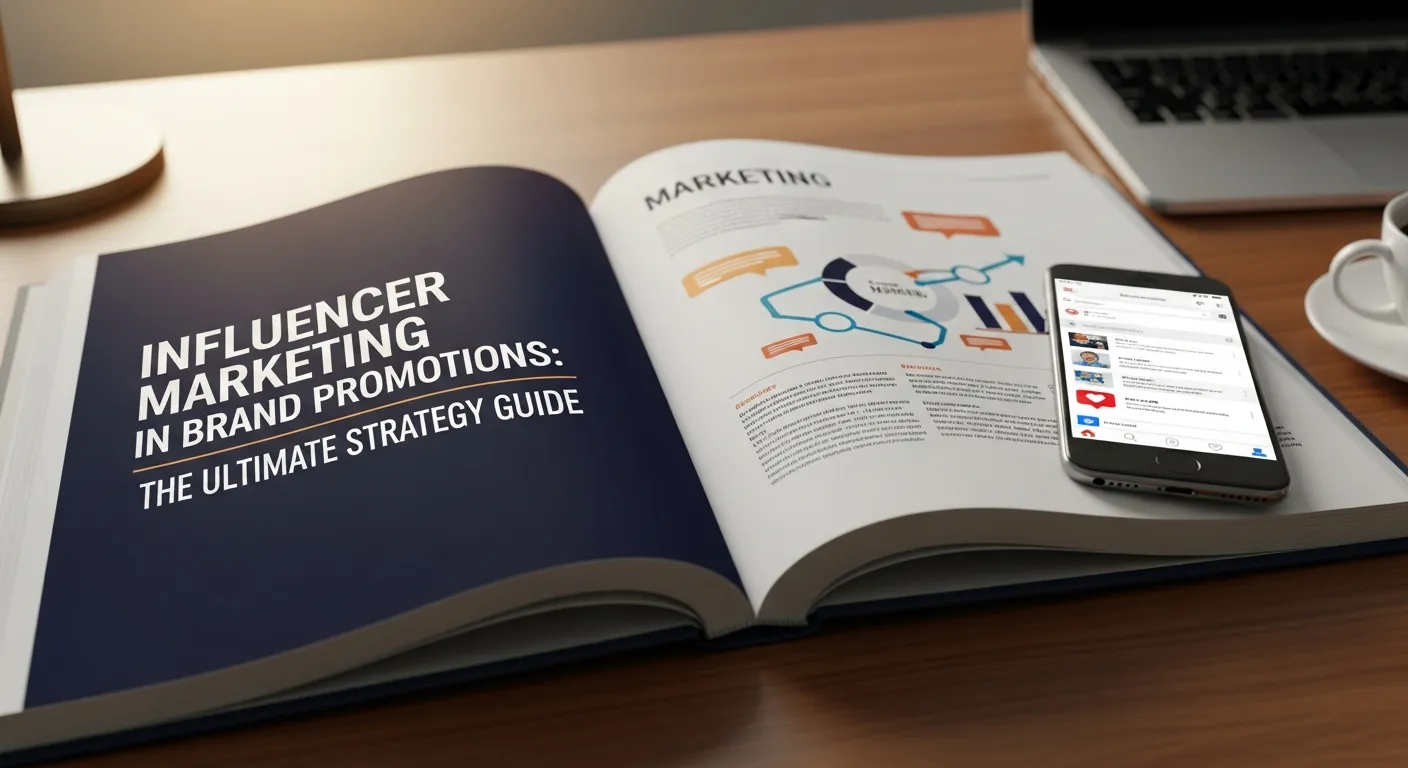
The landscape of advertising has shifted dramatically. Brands no longer just speak to consumers; they speak through the voices consumers trust most. Influencer Marketing in Brand Promotions is not just a trend—it is the cornerstone of modern digital engagement.
This guide explores the transformative power of Influencer Marketing in Brand Promotions. We will dissect how to align influencers with Brand Personality In Marketing, leverage Neuromarketing Techniques, and measure the ROI of Influencer Marketing. From Luxury Brand Marketing to Sustainable Branding Strategies, we cover actionable tactics to elevate your Brand Positioning in Marketing and drive tangible business growth.
The Strategic Imperative of Influencer Marketing in Brand Promotions
Marketing has evolved from a monologue to a dialogue. At the heart of this evolution lies Influencer Marketing in Brand Promotions. This strategy leverages the credibility of individuals who have built dedicated followings to endorse products, services, or brand messages. Unlike traditional advertising, which often interrupts the consumer experience, Influencer Marketing in Brand Promotions integrates seamlessly into the content audiences already enjoy.
To understand why Influencer Marketing in Brand Promotions is so effective, we must look at Consumer Brand Marketing. Today’s consumers are skeptical of corporate messaging. They seek authenticity. When a creator they admire recommends a product, it feels less like a sales pitch and more like advice from a friend. This dynamic is crucial for Building Brand Consistency Across Digital and Physical Touchpoints.
The Psychology of Influence and Brand Perception in Marketing
Success in Influencer Marketing in Brand Promotions is deeply rooted in psychology. It’s about more than just reach; it’s about resonance. Neuromarketing Techniques reveal that emotional connection drives purchasing decisions. When an influencer shares a personal story about a brand, they are engaging in Emotional Branding, which triggers The Science of Brand Memory.
This connection helps shape Brand Perception in Marketing. If an influencer known for sustainability promotes your product, your brand borrows that association. This is vital for Green Marketing and Sustainable Branding Strategies. Conversely, if you partner with a controversial figure, you risk Brand Safety in Digital Marketing. Therefore, Brand Alignment is non-negotiable.
Integrating Influencers into Integrated Brand Promotion
Influencer Marketing in Brand Promotions should not exist in a silo. It must be a key component of Integrated Brand Promotion. This means your influencer campaigns should align with your email marketing, Digital Marketing Strategies, and even Offline Marketing.
Brand Positioning in Marketing and Archetypes
Before you send a single product to an influencer, you must define your Brand Positioning in Marketing. Who are you? What do you stand for? This is where Brand Archetypes come into play. Are you the Hero (Nike), the Caregiver (Johnson & Johnson), or the Jester (Old Spice)?
Brand Archetypes in Practice: From Theory to Marketplace Reality shows us that matching your archetype with an influencer’s persona is critical. If your Brand Personality In Marketing is sophisticated and exclusive, you should look towards Luxury Brand Marketing influencers. If your brand is accessible and friendly, Family Branding in Marketing creators might be a better fit.
Influencer Marketing in Brand Promotions fails when there is a disconnect between the Brand Voice and the influencer’s tone. A mismatch here leads to confusion and dilutes Brand Equity in Marketing.
Developing Inclusive Brand Strategies Through Influencers
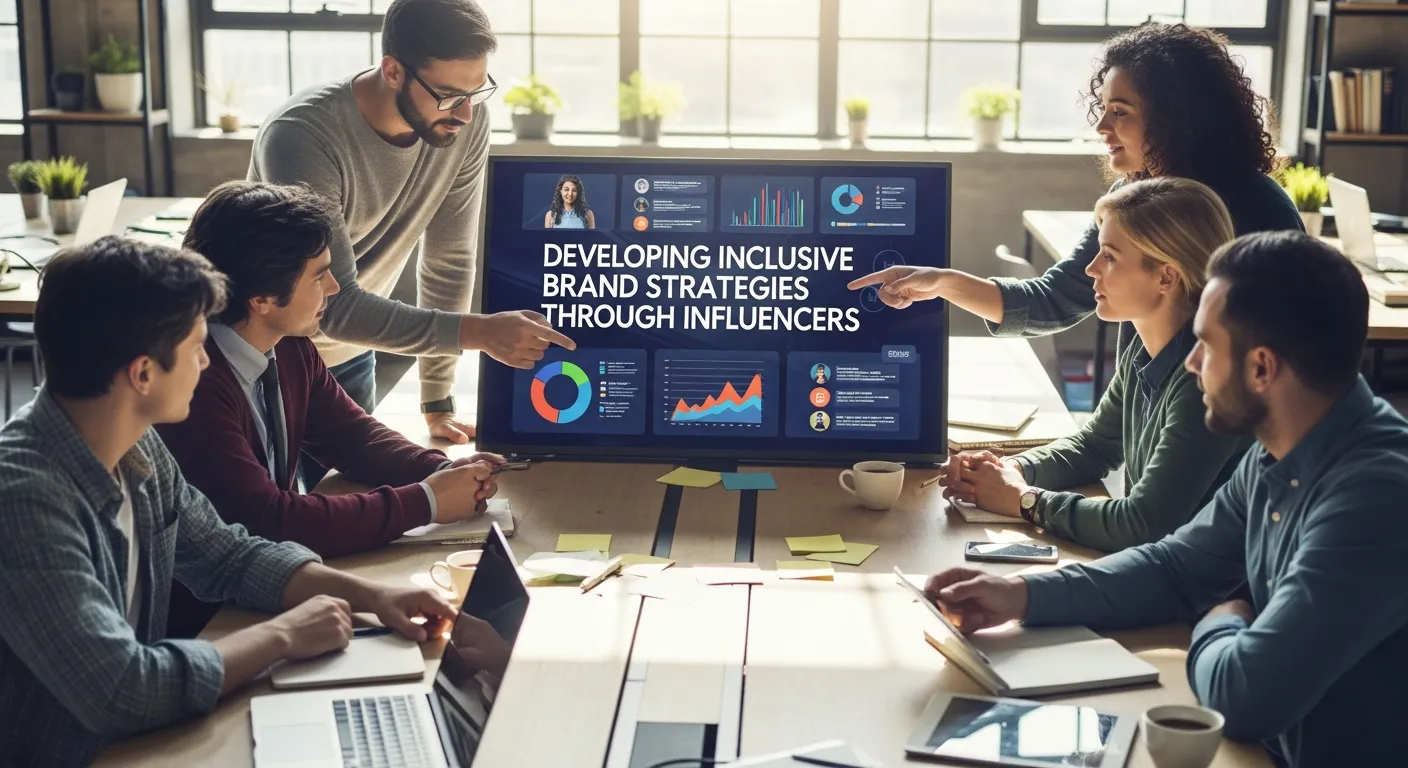
Modern consumers demand representation. Inclusive Brand Strategies are no longer optional; they are a requirement for Brand Resilience. Influencer Marketing in Brand Promotions offers a unique opportunity to demonstrate inclusivity authentically. By partnering with creators from diverse backgrounds, abilities, and communities, brands can signal that they are truly for everyone.
This approach goes beyond optics. It is about Ultimate Guide to Brand Accessibility. When you work with influencers who advocate for specific communities, you gain insights into how to better serve those demographics. This feedback loop is a form of Customer-Centric Brand Development: Co-Creation Methodologies.
However, authenticity is key. Audiences can spot tokenism. The Truth Behind Branded Sustainability and Environmental Harm is often exposed by vigilant consumers. Similarly, brands claiming inclusivity without backing it up internally will face backlash. Influencer Marketing in Brand Promotions must be a reflection of genuine corporate values.
Luxury Brand Marketing and the Role of Exclusivity
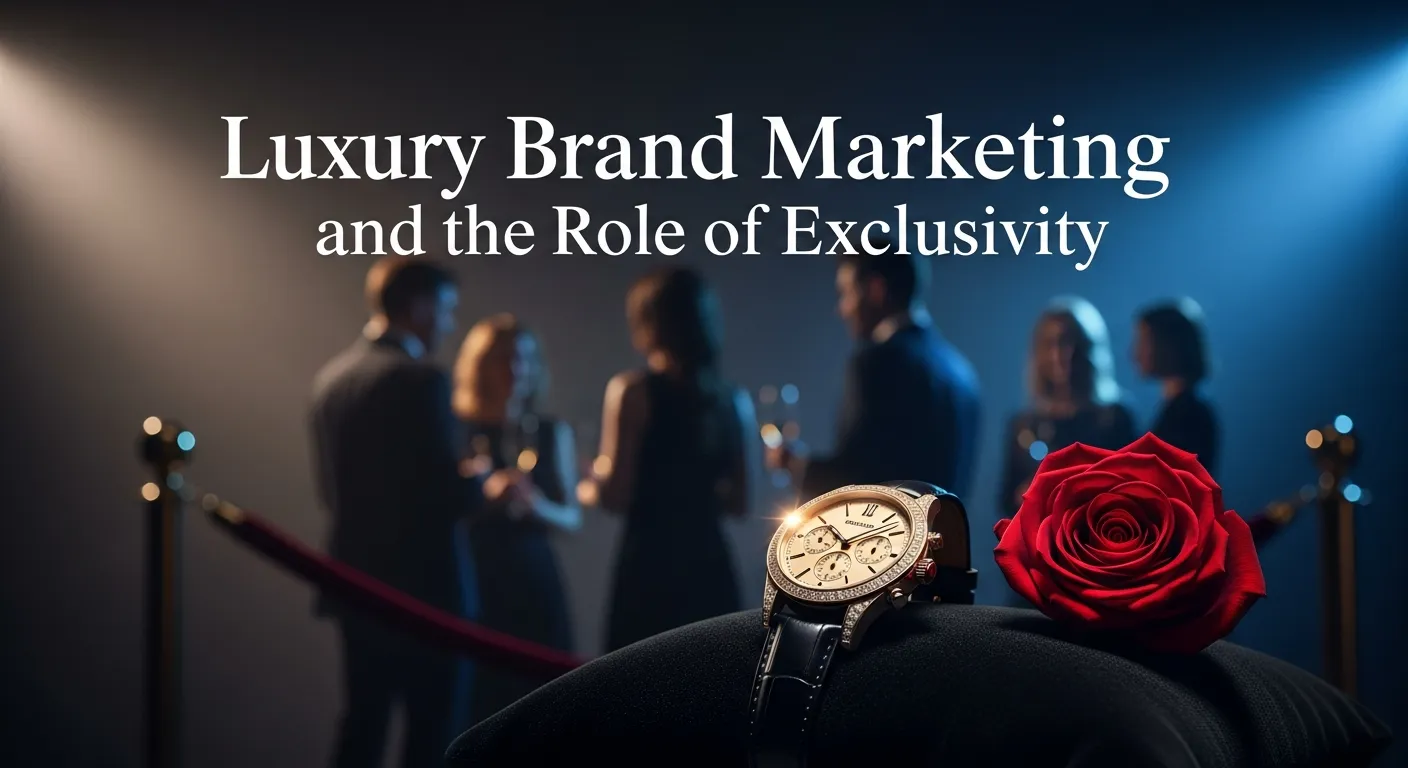
Influencer Marketing in Brand Promotions operates differently across industries. In Luxury Brand Marketing, the goal is often to maintain an air of exclusivity while still driving desire. High-end brands often utilize Celebrity Endorsement vs. Micro-Influencer Strategy differently. While a celebrity brings mass awareness, a micro-influencer in the luxury niche brings depth and specific expertise.
For luxury brands, Visual Storytelling is paramount. The aesthetic quality of the content must match the premium nature of the product. This aligns with The Psychology of Brand Design. Every post must reinforce the Brand Image.
Furthermore, Co-branding in Marketing is a popular tactic in luxury spaces. Imagine a luxury fashion house collaborating with a high-end tech influencer. This fusion creates Brand Synergy and leverages Influencer Marketing in Brand Promotions to tap into new, affluent audiences.
CPG Brand Marketing and High-Volume Promotion
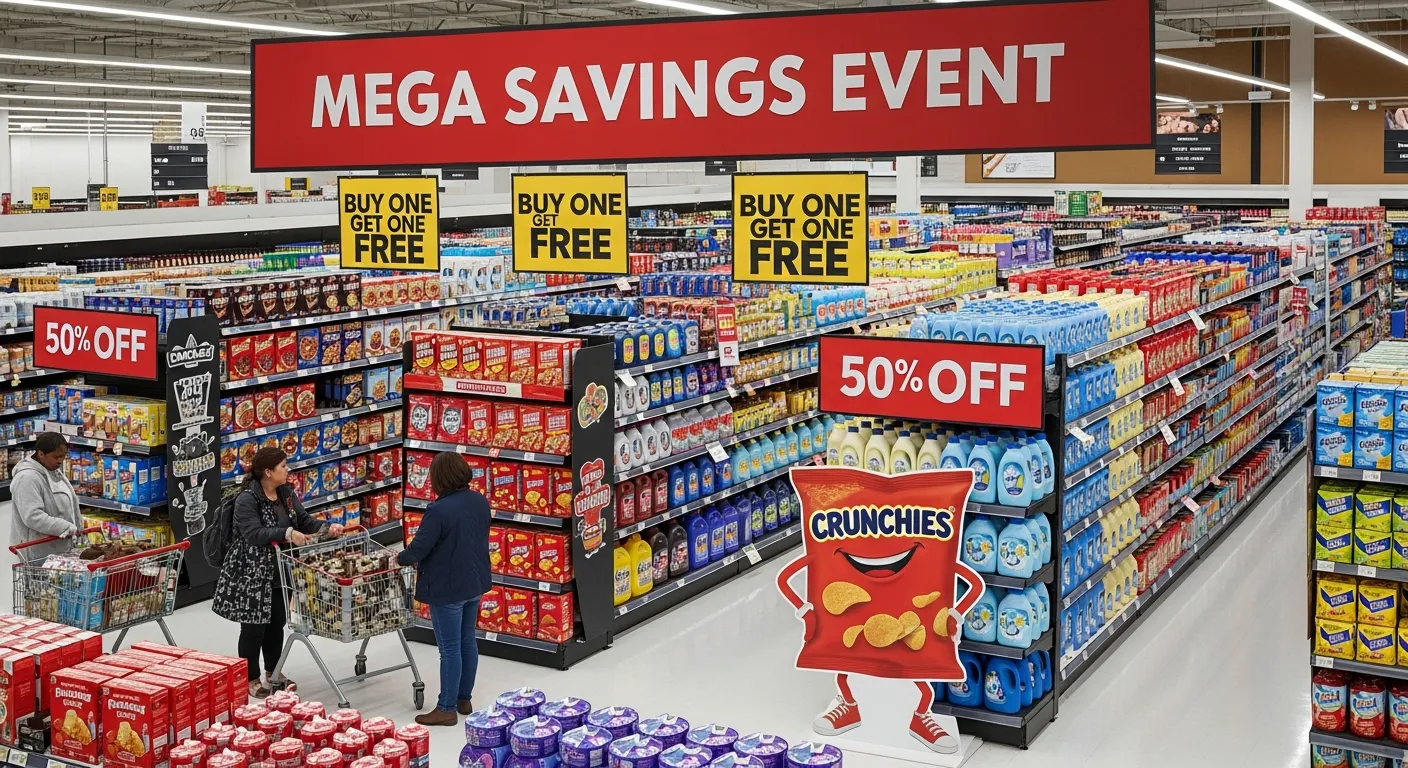
In contrast to luxury, CPG Brand Marketing (Consumer Packaged Goods) relies on volume and frequency. Here, Influencer Marketing in Brand Promotions is often about keeping the brand top-of-mind. Family Branding in Marketing is huge in this sector. “Mom-fluencers” and “Dad-bloggers” drive significant sales for household items.
For CPG, Brand Recognition in Marketing is the primary goal. You want the consumer to recognize your package on the shelf because they saw it in their favorite creator’s morning routine video. This is where Sensory Branding can be implied through video—the crunch of a snack or the fizz of a soda.
Amazon Brand Promotion is also critical here. Influencers often drive traffic directly to Amazon storefronts. Understanding What Does Brand Promotion Mean on Amazon is essential for CPG marketers. Using influencers to utilize Amazon Live or create shoppable lists is a direct application of Influencer Marketing in Brand Promotions.
The Tech Frontier: AI Sensory Branding and Metaverse Branding
The future of Influencer Marketing in Brand Promotions is being written by technology. Mastering Metaverse Branding is the next frontier. Virtual influencers—digital avatars with massive followings—are becoming viable partners for brands. This intersects with Generative Engine Optimization and AI Sensory Branding.
Imagine a campaign where an influencer invites their followers into a virtual space to experience a brand. This is Augmented Reality Branding. It takes Interactive Storytelling in Branding to a new level. Brands that experiment with Gamified Branding and virtual worlds are positioning themselves as innovators.
Rise of Voice Branding is another technological shift. As voice search grows, how your brand “sounds” matters. Influencers with distinct voices or those who produce podcasts are valuable assets for Voice Search Optimization.
Measuring Success: The ROI of Influencer Marketing
One of the biggest challenges is quantifying the value of these campaigns. The ROI of Influencer Marketing can be elusive if you don’t track the right metrics. It’s not just about likes; it’s about Brand Equity KPIs.
You must look at:
- Conversion Rates: Direct sales driven by affiliate links.
- Engagement: Depth of interaction.
- Brand Sentiment: How are people talking about your brand?
- Share of Voice: How to Increase Market Share for Brand? By dominating the conversation.
Using tools like Google Analytics and dedicated influencer platforms helps in Measuring The Impact Of Brand Storytelling. You need to move beyond vanity metrics and look at how Influencer Marketing in Brand Promotions impacts the bottom line. Brand Marketing vs Performance Marketing is often debated, but influencer marketing bridges the gap by delivering both brand awareness and performance results.
Navigating Brand Crisis Management in the Social Media Era
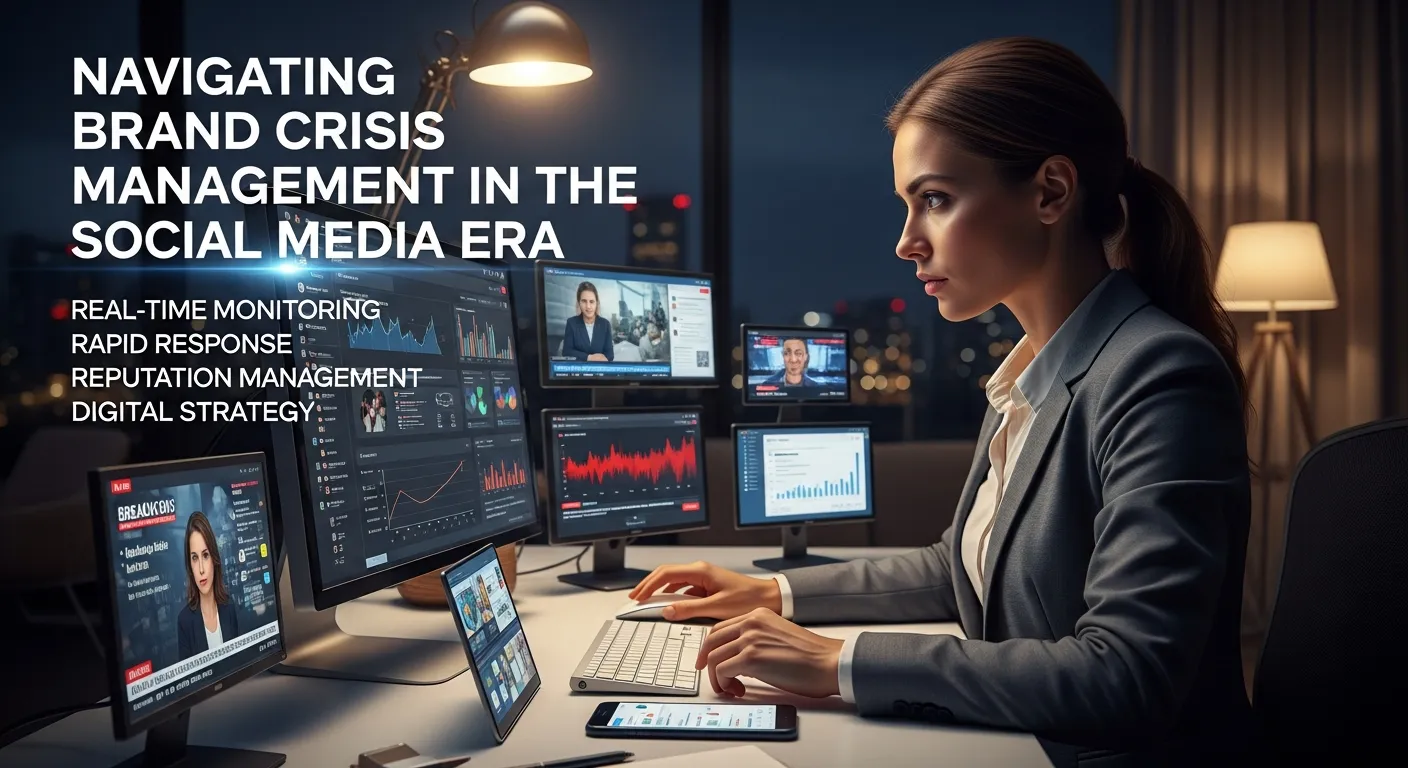
No strategy is without risk. Brand Crisis Management in the Social Media Era is a critical skill. What happens if an influencer you partner with gets “cancelled”? Your association with them can damage your Brand Reputation.
You need a Brand Resilience Strategies: For Crisis Management and Recovery plan. This involves Social Listening as a Brand Strategy Tool. By monitoring conversations, you can detect early warning signs. Brand Safety in Digital Marketing tools can also help ensure your ads and sponsorships don’t appear alongside harmful content.
If a crisis hits, transparency is key. The Truth Behind Branded Sustainability and Environmental Harm shows that covering up mistakes usually backfires. Influencer Marketing in Brand Promotions can also be part of the solution—using trusted voices to communicate your apology and steps for rectification.
Nostalgia in Digital Branding and Emotional Branding
A powerful tactic within Influencer Marketing in Brand Promotions is tapping into nostalgia. Nostalgia in Digital Branding connects emotionally with millennials and Gen Z by referencing the past. Influencers who create retro-style content or review vintage products can be powerful partners.
This links back to Emotional Branding. When a brand triggers a happy memory, the bond with the consumer strengthens. The Science of Brand Memory suggests that these emotional hooks are more durable than rational arguments about features or price.
Sustainable Branding Strategies and Green Marketing
Sustainability is a dominant theme. Sustainable Branding Strategies must be authentic. Consumers are wary of “greenwashing.” Influencer Marketing in Brand Promotions is the litmus test for your green claims. If you send a “sustainable” product to an influencer wrapped in layers of plastic, they—and their audience—will notice.
The Truth Behind Branded Sustainability and Environmental Harm is that scrutiny is high. Use influencers to tell the real story of your supply chain. This is Brand Storytelling: A Complete Guide to Audience Engagement and Growth in action. Honesty builds Brand Trust.
B2B Brand Differentiation through Influencers
Influencer Marketing in Brand Promotions is not just for B2C. B2B Brand Differentiation: Strategies for Crowded Professional Markets often rely on thought leaders. LinkedIn influencers and industry experts are powerful allies.
For B2B, the focus is on Brand Authority. White papers, webinars, and expert panels hosted by influencers can drive Lead Generation. This is a sophisticated form of Content Marketing. The goal here is Building Brand Consistency Across Digital and Physical Touchpoints in a professional context.
Actionable Tips for Influencer Marketing in Brand Promotions
- Define Your Brand Voice: Before you hire anyone, know What Is Brand Voice?. Your influencers are an extension of this voice.
- Use Data-Driven Insights: Leverage Neuromarketing Techniques and data analytics to choose partners. Don’t guess; use AI-Powered Brand Analysis.
- Focus on Storytelling: Mastering Brand Storytelling is the key to engagement. Give influencers creative freedom to tell a story, not just read a script.
- Prioritize Long-Term Relationships: One-off posts are less effective than long-term ambassadorships. This builds Brand Loyalty.
- Audit Regularly: How to Conduct a Comprehensive Brand Audit should include reviewing your influencer partnerships. Are they still delivering value?
- Diversify Platforms: Don’t stick to just Instagram. Explore How to Get Brand Promotions on Instagram, but also look at TikTok, YouTube, and niche blogs.
- Integrate with SEO: Generative Engine Optimization is changing search. Mentions by influencers can signal authority to search engines.
- Personalize: Hyper-Personalized Branding is the future. Use micro-influencers to target very specific sub-niches.
The Future: Generative Engine Optimization and AI
As search engines evolve into answer engines, Generative Engine Optimization (GEO) becomes crucial. AI models are trained on content from the web. If influencers are talking about your brand, AI models are more likely to cite your brand in their answers. Influencer Marketing in Brand Promotions effectively “seeds” the data that AI uses.
This also relates to Brand Visibility. In a world of Zero-Click Marketing, where users get answers without clicking a link, being the brand that is mentioned in the answer is vital.
Co-Branding Partnerships and Cross-Promotion
Co-branding in Marketing allows two brands to share the cost and reach of a campaign. When you combine this with Influencer Marketing in Brand Promotions, the results are amplified. Imagine a fitness apparel brand and a health supplement brand co-sponsoring a fitness influencer.
This strategy maximizes the ROI of Influencer Marketing. It also helps in How to Increase Brand Awareness Through Digital Marketing by tapping into a partner’s customer base.
Internal Branding and Employee Advocacy
Don’t forget your internal influencers. Internal Branding: Turning Employees into Your Most Powerful Brand Ambassadors is a cost-effective strategy. Your employees know the brand best. Encouraging them to share their work life on LinkedIn or Twitter is a form of Influencer Marketing in Brand Promotions.
This builds Brand Authenticity. Real people working on real problems is compelling content. It also helps with Employer Branding, attracting top talent.
Conclusion
Influencer Marketing in Brand Promotions is a dynamic, multifaceted discipline. It touches every aspect of marketing, from Brand Positioning in Marketing to Crisis Management. By understanding the nuances of Brand Archetypes, leveraging Neuromarketing, and committing to Inclusive Brand Strategies, businesses can harness the full power of influence.
The key takeaway is that Influencer Marketing in Brand Promotions is not a transactional exchange of money for posts. It is a strategic partnership that builds Brand Equity, drives Market Share, and fosters deep emotional connections with consumers. Whether you are focused on Luxury Brand Marketing or CPG Brand Marketing, the principles of authenticity, trust, and storytelling remain constant.
As we move into the era of AI Sensory Branding and the Metaverse, the human element provided by influencers will become even more valuable. Start building those relationships today to secure your brand’s future.
FAQs
1. What is the primary benefit of Influencer Marketing in Brand Promotions?
The primary benefit is trust. Influencer Marketing in Brand Promotions leverages the established relationship between a creator and their audience. This bypasses the skepticism often directed at traditional ads, resulting in higher engagement and conversion rates. It is a shortcut to Brand Credibility.
2. How does Brand Positioning in Marketing affect influencer selection?
Brand Positioning in Marketing defines where you sit in the market (e.g., luxury vs. budget, innovative vs. traditional). You must select influencers whose personal brand aligns with this position. A budget-friendly influencer promoting a high-end luxury watch creates a disconnect that confuses consumers and hurts Brand Perception.
3. Can Influencer Marketing in Brand Promotions work for B2B companies?
Absolutely. B2B Brand Differentiation relies heavily on trust and authority. B2B brands can partner with industry analysts, thought leaders, and LinkedIn influencers to create white papers, webinars, and case studies. This drives Lead Generation and establishes the company as a market leader.
4. What is the role of Neuromarketing Techniques in influencer campaigns?
Neuromarketing Techniques help brands understand the emotional triggers behind consumer decisions. By applying these insights, brands can guide influencers to create content that stimulates specific emotional responses—like nostalgia or excitement—enhancing Brand Memory and increasing the likelihood of purchase.
5. How do we measure the ROI of Influencer Marketing?
Measuring ROI of Influencer Marketing involves tracking both soft and hard metrics. Hard metrics include sales via unique discount codes, affiliate link clicks, and traffic. Soft metrics include Brand Sentiment, engagement rates, and Brand Awareness lift. Tools like Google Analytics and social listening platforms are essential for this analysis.
6. Why are Inclusive Brand Strategies important in influencer marketing?
Inclusive Brand Strategies reflect the diversity of the real world. Audiences expect to see themselves represented in advertising. By working with a diverse range of influencers, brands show they value all customers. This builds Brand Loyalty and protects against claims of exclusion or insensitivity.
7. What is Generative Engine Optimization and how does it relate to influencers?
Generative Engine Optimization is the process of optimizing content to be picked up by AI search engines (like ChatGPT or Google Gemini). Since these AIs learn from vast amounts of text, having influencers discuss your brand increases the likelihood that your brand will be mentioned in AI-generated answers, boosting Brand Visibility.
8. How can brands ensure Brand Safety in Digital Marketing when working with influencers?
To ensure Brand Safety in Digital Marketing, brands should conduct thorough background checks on potential partners. Review their past content for offensive material. Use clear contracts that stipulate behavioral expectations. Monitoring tools can also alert you if an influencer becomes involved in a controversy.
9. What is the difference between Brand Marketing vs Performance Marketing in this context?
Brand Marketing focuses on long-term reputation and awareness (e.g., Brand Equity). Performance Marketing focuses on immediate results (e.g., clicks, sales). Influencer Marketing in Brand Promotions sits in the middle; it builds long-term brand affinity while also driving immediate performance through calls-to-action.
10. How does Amazon Brand Promotion utilize influencers?
Amazon Brand Promotion utilizes the Amazon Influencer Program. Influencers create storefronts, host livestreams on Amazon Live, and write reviews. This drives external traffic directly to product pages, improving organic ranking on Amazon and increasing sales velocity. It is a direct link between influence and e-commerce.